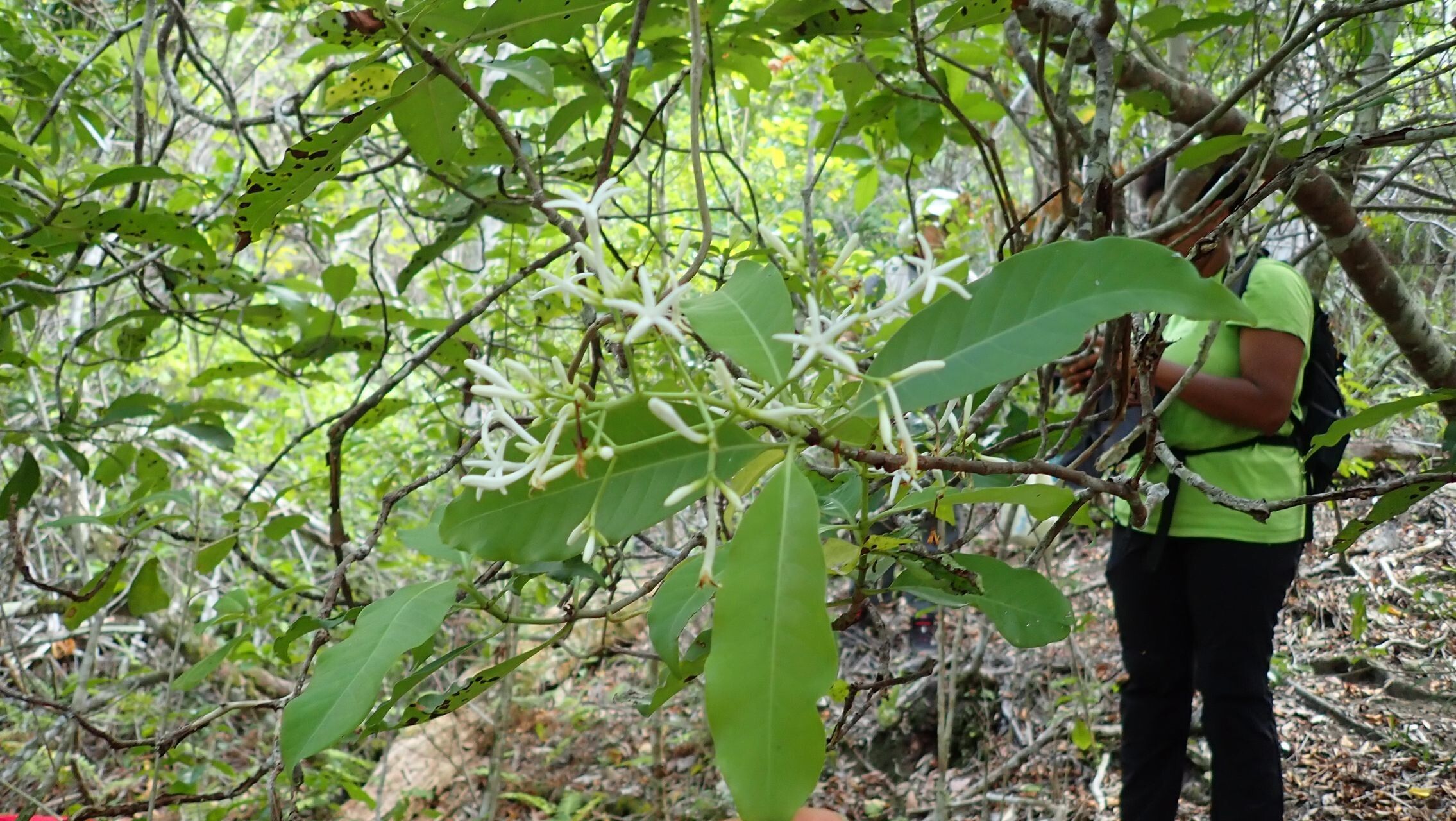
Oh, hello there! Come on in, pull up a chair. I’ve got my favorite mug warm, and I’m so excited to talk about a plant that’s really captured my heart: the beautiful Psychotria viridis. You might know it as Chacruna, or perhaps by some of its other common names. Its lush foliage and the sheer satisfaction of coaxing new life from a simple cutting make it a truly rewarding plant to propagate. Now, for beginners, I’d say it’s moderately challenging. It’s not as foolproof as a pothos, but with a little attention, you’ll be successful.
The Best Time to Start
Honestly, the best time to try propagating your Psychotria viridis is when it’s in active growth. Think late spring through summer. This is when the plant has plenty of energy to put into developing new roots. You’ll want to choose stems that are semi-hardwood – not brand new and spindly, but not old and woody either. They should have a bit of give when you bend them, but not snap easily.
Supplies You’ll Need
Alright, before we dive in, let’s gather our little helpers. Having everything ready makes the process so much smoother.
- Sharp, sterilized pruning shears or a clean knife
- Rooting hormone powder (optional, but can give you a nice boost)
- A well-draining potting mix. I love a blend of peat moss, perlite, and a little coarse sand. You can even find readily available seed starting mixes.
- Small pots or containers (ideally with drainage holes)
- A clear plastic bag or propagation dome to create a humid environment
- A spray bottle with clean water
- A pen and tag to label your cuttings
- Bottom heat is a bonus, but not absolutely essential. A heat mat works wonders!
Propagation Methods
There are a few ways to go about this, but stem cuttings are my go-to for Psychotria viridis. It’s reliable and gives you plenty of opportunities to try.
Stem Cuttings:
- Select your stem: Look for a healthy stem that’s about 4-6 inches long. You want a few sets of leaves on each cutting.
- Make the cut: Using your sterilized shears, make a clean cut just below a leaf node (where a leaf attaches to the stem). This is where root hormones are typically produced.
- Prepare the cutting: Gently remove the lower leaves, leaving just a couple at the very top. This prevents them from rotting in the soil. If the remaining leaves are very large, you can cut them in half horizontally to reduce water loss.
- Dip in rooting hormone (optional): If you’re using rooting hormone, lightly moisten the cut end of the stem with a little water, then dip it into the powder. Tap off any excess.
- Plant your cutting: Fill your small pot with your prepared potting mix. Use a pencil or your finger to make a hole in the center. Gently insert the cut end of the stem into the hole, ensuring the node where you removed the lower leaves is buried. Gently firm the soil around the stem.
- Water gently: Give the soil a good, but not waterlogged, watering. You want it to be evenly moist.
- Create humidity: Now for the magic! Cover the pot with a clear plastic bag, being careful not to let the leaves touch the sides. You can use stakes to keep the bag aloft. Alternatively, place the pot inside a propagation dome. Place it in a bright spot, but out of direct sunlight.
Water Propagation (Less Recommended, but Possible):
While I generally prefer soil propagation for this plant, you can try rooting a cutting in water.
- Prepare the cutting: Follow steps 1 and 2 above.
- Place in water: Put the cutting in a jar or glass of clean water, ensuring the leaf nodes are submerged.
- Change water regularly: This is crucial! Change the water every 2-3 days to keep it fresh and prevent bacterial growth.
- Wait for roots: You should see tiny white root nubs appear. Once the roots are about an inch long, you can carefully transplant it into soil. Be aware that water roots can sometimes struggle to adapt to soil.
The “Secret Sauce” (Pro Tips)
Here are a few things I’ve learned over the years that really make a difference:
- My absolute favorite trick? Bottom heat! If you can, place your pots on a gentle heat mat. This simulates spring soil temperatures and encourages root development like nothing else. You don’t want it too hot, just a nice, consistent warmth.
- And this is a big one: Don’t let the leaves touch the soil or water (if you go that route). Any foliage in contact with moisture is an open invitation for mold and rot. Keep those leaves up and out of the way.
- Finally, patience is your best friend. I know it’s tempting to keep peeking, but try to resist the urge. Let those roots establish themselves.
Aftercare & Troubleshooting
Once you see new leaf growth emerging from your cutting, that’s a fantastic sign! It usually means roots have formed. You can gently tug on the cutting – if there’s resistance, congratulations!
When roots are a good inch or so long, you can gradually acclimate your new plant to less humid conditions if it’s under a dome or in a bag. Slowly lift the cover for longer periods each day. Continue to keep the soil evenly moist, but not waterlogged.
Now, about troubleshooting. The most common issue you’ll face is rot. If your cutting turns black and mushy, it’s likely rotted. This usually happens from too much moisture and poor air circulation. If you catch it early, you might be able to salvage a section, but often it’s best to start again. Another sign things aren’t going well is if the leaves start to wilt and dry out without any signs of roots forming. This might mean the cutting is too dry or not getting enough humidity.
A Encouraging Closing
Propagating Psychotria viridis is a journey, and like any good journey, there might be a few bumps along the way. Don’t get discouraged if your first attempt isn’t perfect. Each cutting teaches you something new. So, gather your supplies, find a healthy stem, and give it a go! Enjoy the process, and soon you’ll have a whole new family of these wonderful plants to share. Happy growing!
Resource: