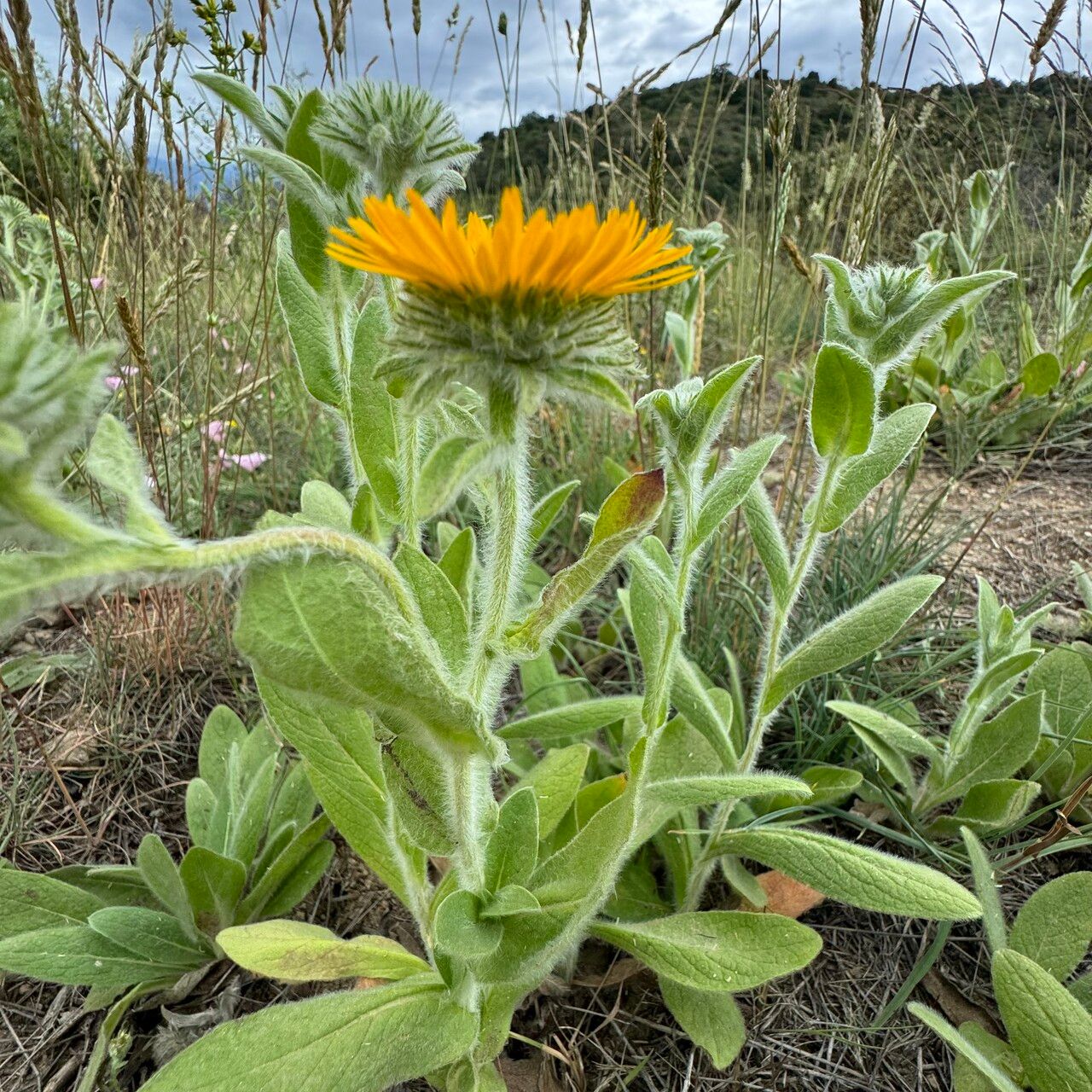
Oh, Pentanema helenioides! What a delightful plant to tackle. Its cheerful, daisy-like blooms and lush foliage add such a vibrant splash to any garden. And the best part? Propagating it yourself is incredibly rewarding. You get to fill your garden (or share with friends!) with these beauties without breaking the bank. For those just starting out, I’d say Pentanema helenioides is a pretty encouraging plant to propagate. It’s not overly fussy, which is always a plus when you’re learning the ropes.
The Best Time to Start
My favorite time to get busy with cuttings is usually in late spring to early summer, right as the plant is coming into its vigorous growth spurt. You’re looking for stems that are firm and slightly woody but not old and brittle. Avoid flowering stems if you can; we want the plant to focus its energy on making roots, not producing more blooms.
Supplies You’ll Need
Gathering your supplies before you begin makes the whole process so much smoother. Here’s what I usually have on hand:
- Sharp pruning shears or a clean knife: For making clean cuts.
- A good quality potting mix: I like to use a blend that’s light and airy, often a mix of peat moss, perlite, and a bit of compost. A seed-starting mix works well too.
- Small pots or trays: With good drainage holes!
- Rooting hormone powder or gel (optional but helpful): This can give your cuttings a little boost.
- A watering can with a fine rose: To water gently.
- Plastic bags or a clear propagation dome: To create a humid environment.
- Labels and a marker: So you don’t forget what you planted where!
Propagation Methods
Pentanema helenioides is a champ at responding to stem cuttings. This is usually the most straightforward and successful method for this plant.
- Take Your Cuttings: Select a healthy stem and make a clean cut just below a leaf node (where a leaf attaches to the stem). Aim for cuttings that are about 4-6 inches long.
- Prepare the Cuttings: Gently remove the lower leaves, leaving just a couple of leaves at the top. If you’re using rooting hormone, dip the cut end into the powder or gel now.
- Plant the Cuttings: Fill your pots with your prepared potting mix. Make a small hole in the center with your finger or a pencil and carefully insert the cut end of the stem. Gently firm the soil around it.
- Water Them In: Water the soil thoroughly but gently, ensuring it’s moist but not waterlogged.
- Create Humidity: Cover the pots with a clear plastic bag or a propagation dome to maintain a humid environment. You can prop up the bag with a few stakes so it doesn’t touch the leaves.
- Find a Cozy Spot: Place the pots in a bright spot that gets indirect light. Direct sun can scorch those tender new cuttings.
The “Secret Sauce” (Pro Tips)
Here are a couple of little tricks I’ve learned over the years that really help:
- Cleanliness is Key: Always use sterilized tools. This prevents the transfer of any diseases that could be lurking and sabotaging your efforts. A quick wipe with rubbing alcohol does the trick.
- Bottom Heat is Your Friend: If you have the option, placing your pots on a heat mat can significantly speed up the rooting process. It mimics the warmth of spring soil and just gives those roots that extra encouragement to emerge.
Aftercare & Troubleshooting
Once your cuttings have rooted (you’ll see new leaf growth and gently tugging on the stem will reveal resistance), it’s time for a little more TLC. Gradually acclimate them to drier air by removing the plastic bag for longer periods each day. Continue to keep the soil consistently moist but not soggy.
The most common issue you might see is rot. If your cutting turns mushy or black, it’s usually a sign of too much moisture and not enough air circulation. Don’t be discouraged if a few don’t make it; it happens to everyone! Just toss the rotted ones and focus on the survivors.
A Little Patience Goes A Long Way
Propagating plants is a beautiful journey of patience and observation. Don’t rush the process, and celebrate every little sign of growth. Enjoy watching your new Pentanema helenioides plants develop – it’s a truly satisfying experience. Happy propagating!
Resource: