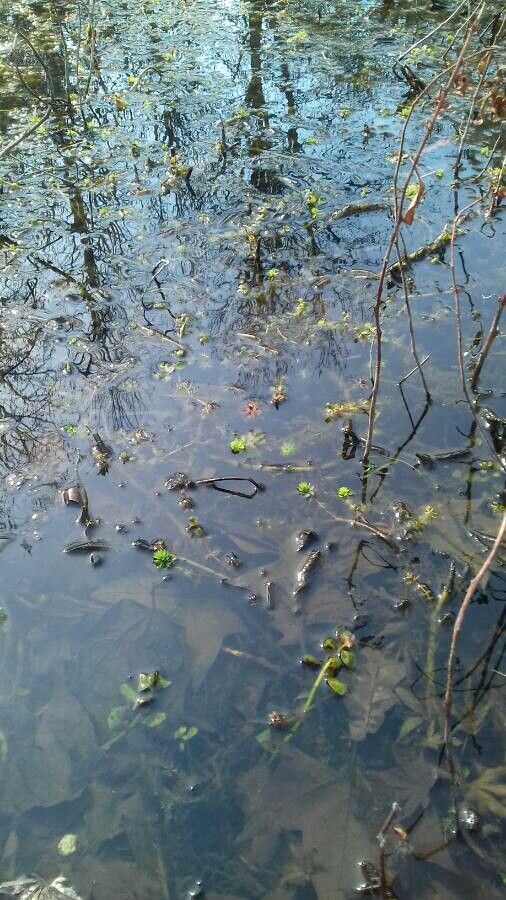
Hello fellow plant lovers! I’m so excited to talk to you today about one of my absolute favorite aquatic plants: Myriophyllum aquaticum, often called Parrot’s Feather. If you’re a fan of its feathery, lime-green foliage cascading beautifully in aquariums, ponds, or even water features, you’re in for a treat. Propagating it is surprisingly straightforward, making it a fantastic choice for both seasoned aquascapers and those just dipping their toes into the world of aquatic gardening. You’ll have more of this gorgeous green in no time!
The Best Time to Start
For the highest success rates with Parrot’s Feather, aim for late spring or early summer. This is when the plant is actively growing and has ample energy reserves to put into developing new roots. You can also propagate it throughout the warmer months, but starting when growth is vigorous really gives your cuttings the best chance. Look for healthy, mature stems on your existing plant.
Supplies You’ll Need
Gathering your supplies beforehand makes the whole process a breeze. Here’s what I usually have on hand:
- Sharp Pruning Shears or Scissors: Clean cuts are crucial! I prefer shears designed for plants for a precise snip.
- Rooting Hormone (Optional but Recommended): This little boost can significantly speed up root development, especially for cuttings.
- Gloves (Optional): If you’re working in a pond or dealing with multiple plants, they can keep your hands clean.
- Containers: Small pots for soil propagation, or clean jars/vases for water propagation.
- Growing Medium: For soil propagation, a hyvin drained potting mix or a specialized aquatic plant substrate works well. Some folks even use clean horticultural sand.
- Water: Dechlorinated tap water or rainwater is best.
Propagation Methods
Parrot’s Feather is wonderfully versatile, and there are a couple of super effective ways to propagate it.
Stem Cuttings: My Go-To Method
This is by far the easiest and most successful way for me.
- Select a healthy stem. Look for one that’s at least 4-6 inches long and has good leaf development.
- Make a clean cut. Using your sharp shears, cut the stem just below a leaf node. This is the spot where a leaf attaches to the stem, and it’s where roots are most likely to emerge.
- Prepare the cutting. Gently remove the leaves from the bottom 2-3 inches of the stem. This prevents them from rotting in the soil or water and directs the plant’s energy towards root formation.
- Dip in rooting hormone (if using). Lightly coat the cut end of the stem with rooting hormone powder or gel. Tap off any excess.
- Plant your cutting.
- For soil: Gently insert the prepared end into your chosen growing medium. You can plant multiple cuttings in one pot, leaving a little space between them. Water thoroughly and keep the soil consistently moist, but not waterlogged.
- For water: Place the prepared cutting in a jar or vase filled with dechlorinated water. Ensure the water level covers the leafless portion of the stem.
Water Propagation
This method is incredibly satisfying to watch!
- Follow steps 1-3 for stem cuttings.
- Place the prepared cutting into a container filled with dechlorinated water, making sure the leafless part of the stem is submerged.
- Change the water every few days to keep it fresh and oxygenated.
If you’re propagating for a pond or a larger water feature, you can simply float cuttings on the surface! They’ll usually root on their own in favorable conditions.
The “Secret Sauce” (Pro Tips)
Here are a few things I’ve learned over the years that really make a difference:
- Don’t let the leaves touch the water (in soil/water propagation). While the roots emerge from the nodes, the leaves themselves can rot if they sit in water-saturated soil or standing water, which can invite fungal issues.
- A bit of bottom heat can work wonders! If you’re rooting cuttings in soil indoors, placing the pots on a seedling heat mat set to a low temperature (around 70-75°F) can really encourage faster root development. It mimics that lovely warm pond bed!
- Patience is key, but watch for firmness. While Parrot’s Feather is quick, don’t be tempted to pull up the cutting too soon to check for roots. Let it sit for at least 2-3 weeks. You’ll know it’s rooted when you feel a gentle resistance when you try to pull it ever so slightly, and the stem looks perky and firm.
Aftercare & Troubleshooting
Once you see signs of roots, you’re doing great!
- For soil-propagated plants: Continue to keep the soil consistently moist. As the roots grow, you can gradually transition them to slightly less wet conditions, but they still appreciate humidity. If you’re planting them in a pond, you can plant them directly into the substrate once the root system is well-established.
- For water-propagated plants: You can plant these directly into your aquarium substrate or pond once they have a nice root system, usually a couple of inches long.
The most common issue you might encounter is rot. This usually happens if the cuttings are kept too wet and not airy enough, or if those leaves are constantly submerged. Yellowing leaves on the cutting can also indicate it’s not getting enough light, or (paradoxically) that it’s drowning. If you see mushy, black stems, it’s best to discard that cutting and start fresh with a new one, ensuring your conditions are right.
A Little More Green for Your Garden
See? Propagating Myriophyllum aquaticum is a truly rewarding gardening endeavor. It’s a simple act that multiplies beauty and brings you closer to understanding the amazing life cycle of your plants. Be patient with your new green babies, give them a little love and the right conditions, and you’ll be sharing them with friends in no time. Happy propagating!
Resource:
https://identify.plantnet.org/k-world-flora/species/Myriophyllum%20aquaticum%20(Vell.)%20Verdc./data