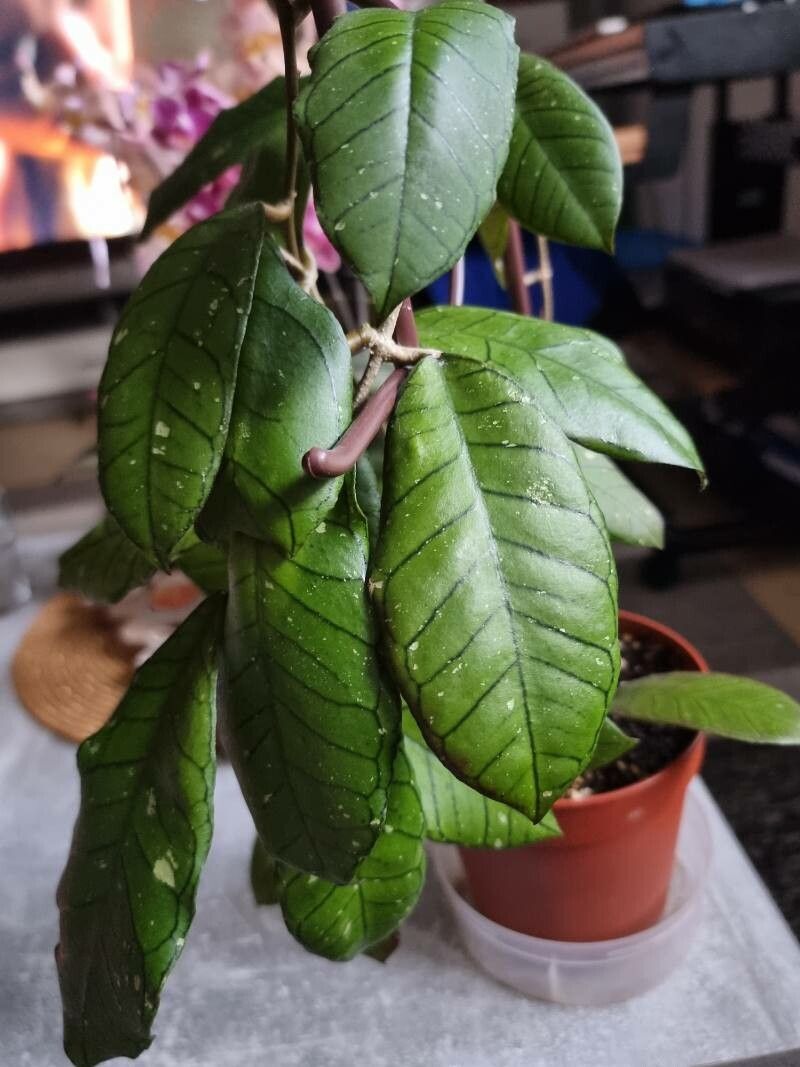
Oh, Hoya finlaysonii! Isn’t she a beauty? Those gorgeous, almost leathery leaves, often splashed with delightful patterns, just scream “tropical oasis” to me. Whenever I see a well-established one, I’m reminded of slow, sun-drenched afternoons. And the best part? You can get more of these lovelies by propagating them yourself! It’s such a satisfying way to grow your collection, and honestly, watching a tiny cutting unfurl its first new leaf is pure magic.
Now, for the big question: Is Hoya finlaysonii easy to propagate for beginners? I’d say it’s moderately easy. It’s not quite as foolproof as a spider plant, but with a little attention to detail, you’ll be well on your way. It’s a rewarding challenge, for sure.
The Best Time to Start
When it comes to giving your Hoya finlaysonii cuttings the best shot at success, spring and early summer are your golden ticket. This is when the plant is naturally bursting with energy and actively growing. You’re essentially piggybacking on its natural momentum. Look for a stem that’s healthy and has a good few leaves on it. Avoid taking cuttings from a plant that’s stressed from drought or pest issues.
Supplies You’ll Need
Gathering your tools beforehand makes the whole process smoother. You won’t need much, but having the right bits and bobs is key.
- Sharp Pruning Shears or a Clean Knife: For making clean cuts.
- Rooting Hormone (Optional but Recommended): A powder or gel that encourages root development. Brands like Clonex or Dip ‘n Grow are popular choices.
- A Watering Can or Spray Bottle: For keeping things moist.
- Small Pots or Propagation Trays: For your cuttings.
- Well-Draining Potting Mix: A good mix for Hoyas is often a blend of perlite, orchid bark, and coco coir or a good quality potting soil amended with extra perlite. Some people also swear by sphagnum moss.
- Clear Plastic Bags or a Propagator: To create a humid environment.
Propagation Methods
Let’s get our hands dirty! Here are a couple of reliable ways to multiply your Hoya finlaysonii.
Method 1: Stem Cuttings in Soil
This is my go-to method for most Hoyas.
- Select Your Cutting: Look for a healthy stem that has at least two or three sets of leaves. Gently cut the stem just below a leaf node. A leaf node is that little bump where the leaf attaches to the stem – it’s where roots love to emerge from.
- Prepare the Cutting: You can gently remove the lowest set of leaves. This exposes the nodes and prevents them from rotting in the soil.
- Apply Rooting Hormone (Optional): Dip the cut end of the stem into your rooting hormone, tapping off any excess.
- Plant Your Cutting: Fill your small pot with your prepared, slightly moist potting mix. Make a small hole with your finger or a pencil and insert the cutting, ensuring the leaf nodes are buried beneath the soil surface. Gently firm the soil around the stem.
- Create a Humid Environment: Water the soil lightly. Then, cover the pot with a clear plastic bag or place it in a propagator. Make sure the bag doesn’t touch the leaves too much. You can use a couple of stakes to hold the bag up.
Method 2: Water Propagation
This method is visually satisfying and great for observing root development.
- Select and Prepare Your Cutting: Just like with the soil method, choose a healthy stem with at least two leaf nodes. Cut just below a node. You can remove the lowest leaves if you wish, but it’s not as critical here as the nodes won’t be submerged.
- Place in Water: Fill a clean jar or glass with room-temperature water. Place your cutting in the water so that at least one, and ideally two, leaf nodes are submerged. Crucially, ensure that no leaves are touching the water’s surface. This is a common cause of rot.
- Find a Spot: Place the jar in a bright location but out of direct sunlight.
- Change the Water: Change the water every few days, or whenever it starts to look cloudy. This keeps the water fresh and prevents bacterial growth.
The “Secret Sauce” (Pro Tips)
These little tricks are things I’ve learned over many years that often make a big difference.
- Don’t Be Afraid to Be Ruthless (Sometimes): If your cutting looks a bit leggy or has too many large leaves, don’t hesitate to trim off a few of the lower leaves or even cut the stem back a bit. This encourages the plant to focus its energy on root development rather than leaf retention.
- Warmth is Wonderful: Hoyas really appreciate a bit of bottom heat when they’re trying to root. If you have a heat mat used for seed starting, placing your pots on it can significantly speed up the rooting process. Just make sure it’s set to a warm, not hot, temperature.
- Patience is a Gardener’s Virtue: I know it’s tempting to constantly fuss, but once you’ve set up your cuttings, the best thing you can do is leave them be and let nature do its work. Too much poking and prodding can disturb delicate new roots.
Aftercare & Troubleshooting
Once you start seeing little white roots emerging from your cutting (in water propagation) or feel a slight resistance when you gently tug on the stem (in soil propagation), it’s time for the next step!
For water-propagated cuttings, wait until the roots are at least an inch or two long before gently planting them into your potting mix, following the steps for soil propagation.
For soil-propagated cuttings, once they show signs of new growth (a tiny new leaf or stem tip), you can gradually acclimate them to normal humidity by removing the plastic bag or propagator cover for increasing periods each day.
Common Signs of Failure:
- Rotting: This is the most common issue. If your stem turns black and mushy, it’s likely rotting. This is often caused by too much moisture and lack of airflow. If you catch it early, you might be able to cut away the rotten part and try again. Ensure your soil is well-draining and avoid overwatering.
- Wilting and Yellowing Leaves: This can indicate underwatering, but also sometimes stress. Check the soil moisture. If it’s dry, give it a light watering. If it stays wilted and yellows significantly, it might not have rooted.
A Encouraging Closing
Growing new plants from cuttings is a journey, not a race. There might be a few tries before you get a robustly rooted plant, and that’s perfectly okay. Think of each attempt as a learning experience. Be patient, observe your cuttings, and remember to enjoy the process. Soon enough, you’ll have a whole new Hoya finlaysonii family to admire! Happy growing!
Resource:
https://identify.plantnet.org/k-world-flora/species/Hoya%20finlaysonii%20Wight/data