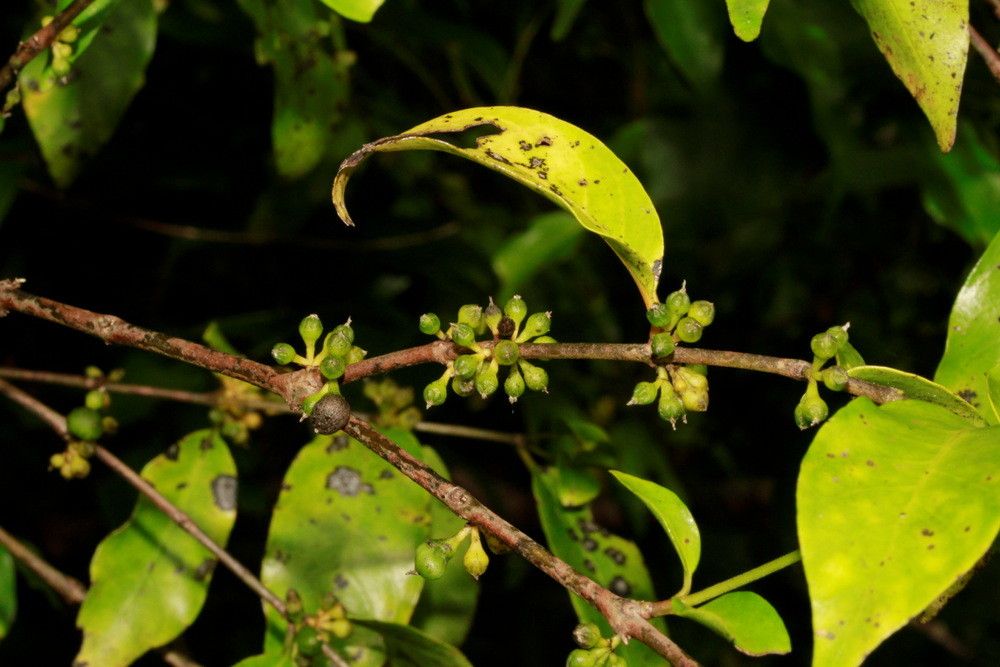
Oh, hello there! Come on in, pull up a chair! I’m so delighted you’re interested in Geniostoma erythrospermum. If you’re anything like me, you’ve probably fallen for its lush, glossy leaves and those intriguing little clusters of star-shaped flowers. It’s a true charmer, isn’t it? And the best part? You can easily fill your garden (or your living room!) with more of this beauty by propagating it yourself. Now, let’s talk about how we can make that happen.
The Best Time to Start
For Geniostoma erythrospermum, the sweet spot for propagation is definitely spring or early summer. Think about when plants are really bursting with new growth – that’s when they have the most energy to put into developing roots. Starting during this vigorous growth period gives your cuttings the best possible chance to take off.
Supplies You’ll Need
Gathering your tools beforehand makes the whole process smoother. Here’s a little rundown of what I usually have on hand:
- Sharp Pruning Shears or a Craft Knife: Clean cuts are happy cuts!
- Rooting Hormone (Optional but Recommended): This really gives your cuttings a helpful boost. Look for one formulated for stem cuttings.
- Well-Draining Potting Mix: A good blend of potting soil, perlite, and peat moss works wonders. Or, you can buy a pre-made propagation mix.
- Small Pots or Seed Trays: Clean containers are a must! I like using 4-inch pots for cuttings.
- Plastic Bags or a Propagation Dome: To create a humid microclimate.
- Watering Can with a Fine Rose: Gentle watering is key.
Propagation Methods
Let’s get our hands dirty! There are a couple of reliable ways to multiply your Geniostoma.
Stem Cuttings
This is my go-to method and usually the most successful for Geniostoma.
- Take Those Cuttings: In spring or early summer, select healthy, non-flowering stems. Look for stems that are semi-hardwood – they should snap cleanly when bent, not be too floppy and green, nor too woody and stiff. Make a clean cut just below a leaf node (the point where a leaf attaches to the stem). Aim for cuttings that are about 4-6 inches long.
- Prepare the Cuttings: Gently remove the lower leaves from your cuttings, leaving just a few at the top. This prevents them from rotting in the soil. If you’re using rooting hormone, a quick dip in the powder is all they need. Tap off any excess.
- Plant Them Up: Fill your clean pots with your prepared potting mix. Make a small hole in the center with your finger or a pencil. Gently insert the base of your cutting into the hole, ensuring the leaf nodes you just bared are below the soil surface. Firm the soil gently around the cutting.
- Create the Humidity Dome: Water the soil lightly. Then, cover the pots with a clear plastic bag, securing it around the base with a rubber band, or use a propagation dome. This traps moisture and creates a mini-greenhouse.
Water Propagation
While I prefer soil for Geniostoma, you can try water propagation too.
- Prepare Cuttings: Follow steps 1 and 2 from the stem cutting method.
- Place in Water: Put your cuttings in a clean jar or vase filled with fresh water. Make sure only the bottom leaf nodes are submerged.
- Monitor and Change Water: Keep the jar out of direct sunlight. Change the water every few days to keep it fresh and prevent bacterial growth.
The “Secret Sauce”
Every gardener has their little tricks! Here are a couple that really help with Geniostoma:
- Bottom Heat is Your Friend: If you can, place your pots on a propagation mat. This gentle warmth from below encourages root development much faster than ambient room temperature. It’s like a cozy heated blanket for your cuttings!
- Don’t Let Those Top Leaves Drip: If you’re using the plastic bag method, ensure the leaves aren’t touching the sides of the bag where condensation collects. If they do, it can lead to rot. You can stake up the bag or trim a leaf if necessary.
Aftercare & Troubleshooting
Once you see new growth, it’s a good sign!
- When to Transplant: For stem cuttings, you’ll know they’re ready to move when you feel a gentle resistance when you tug on them (don’t pull too hard, though!). You should also start to see tiny roots peeking out of the drainage holes. For water propagation, wait until you have a good network of roots, at least an inch or two long, before transplanting.
- Transplanting: Gently remove the new plant from its pot or water. Plant it in a small pot with fresh, well-draining soil. Water it in well.
- Gradual Acclimation: If you’ve been using a plastic bag or dome, start acclimating your new plant to normal humidity by gradually removing the cover for increasingly longer periods over a week or so.
- Troubleshooting – The Dreaded Rot: The most common issue is rot. If your cutting turns black and mushy, it’s usually due to too much moisture, poor drainage, or lack of airflow. A clean cut and a well-draining mix are your best defense. If you spot rot early, you might be able to save the healthy part of the stem by cutting it above the rot and starting over.
A Little Patience Goes a Long Way
Propagating plants is such a rewarding journey. It requires a bit of patience and observation, but seeing a new life emerge from a tiny cutting is truly magical. Don’t be discouraged if your first attempt isn’t perfect. Each time you try, you learn a little more, and soon enough, you’ll be sharing your own Geniostoma babies with friends and family. Happy propagating!
Resource:
https://identify.plantnet.org/k-world-flora/species/Geniostoma%20erythrospermum%20Baill./data