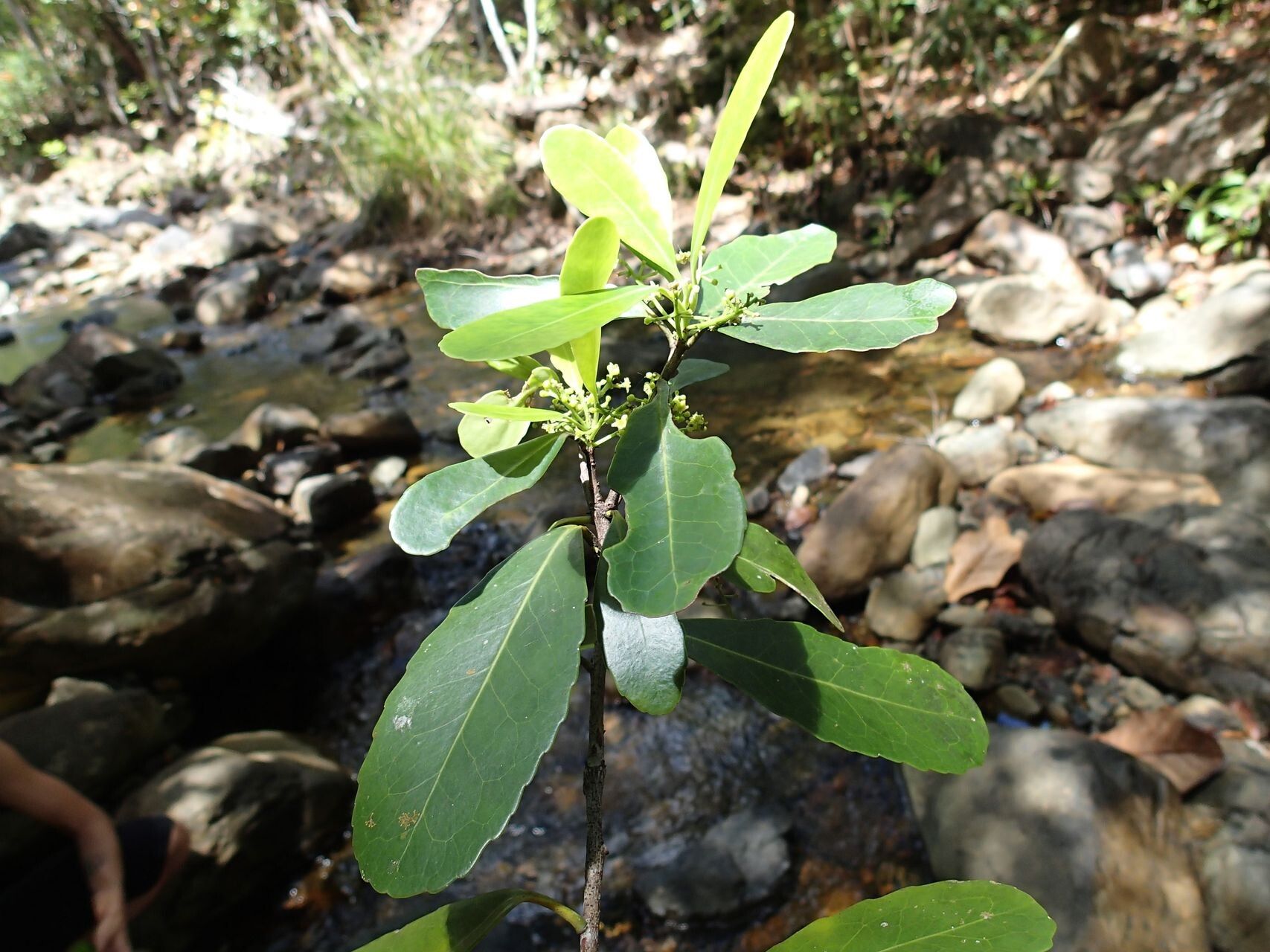
Hello fellow garden lovers! Today, we’re diving into the wonderful world of propagating Elaeodendron cunninghamii. This Australian native, also known as the Velvetleaf, is a charmer with its glossy, deep green leaves and, when mature, delightful little flowers and berries. Growing them from scratch isn’t just about getting more plants; it’s a genuinely satisfying journey. I’ve found that while it has a bit of a reputation, with a few key tricks, even beginners can have a great shot at success.
The Best Time to Start
For Elaeodendron cunninghamii, the sweet spot for propagation is late spring to early summer. This is when the plant is actively growing and has a good store of energy. You want to take cuttings from new, semi-hardwood growth. This means the stem is starting to firm up but isn’t woody yet – think of it as being bendy but not floppy.
Supplies You’ll Need
Here’s what I always have on hand when I’m ready to get propagating:
- Sharp pruning shears or a clean knife: To make clean cuts.
- Rooting hormone: A powder or gel will help speed things up.
- Well-draining potting mix: I like a 50/50 blend of perlite and seed-starting mix.
- Small pots or propagation trays: With drainage holes, of course!
- A plastic bag or propagation dome: To create a humid environment.
- Water: To gently moisten the soil.
- Labels: To remember what you planted and when!
Propagation Methods (Stem Cuttings)
While other methods might work, stem cuttings are my go-to for Elaeodendron cunninghamii. They’re reliable and give you a good yield.
- Select your cuttings: Look for those healthy, semi-hardwood shoots. Aim for cuttings that are about 4-6 inches long.
- Make the cut: Using your clean shears, take a cutting just below a leaf node (where a leaf meets the stem). This is where the magic happens for root development.
- Prepare the cutting: Gently remove the lower leaves from the bottom half of the cutting. This prevents them from rotting in the soil. If the remaining leaves are very large, you can tip them in half to reduce water loss through transpiration.
- Apply rooting hormone: Dip the cut end of the stem into your rooting hormone, tapping off any excess.
- Pot them up: Fill your small pots with the well-draining potting mix. Make a small hole in the center with your finger or a pencil.
- Insert the cutting: Place the treated end of the cutting into the hole and gently firm the soil around it. Make sure at least two leaf nodes are buried.
- Water gently: Give the soil a light watering until it’s evenly moist but not waterlogged.
- Create humidity: Cover the pot with a clear plastic bag or place it under a propagation dome. This is crucial to keep the cuttings from drying out while they develop roots. Prop the bag up so it doesn’t touch the leaves.
The “Secret Sauce” (Pro Tips)
Here are a couple of little tricks I’ve learned over the years that make a big difference:
- Bottom heat is your friend: If you can, place your pots on a heat mat designed for propagation. This gentle warmth encourages root growth from below and really speeds up the process. It’s like giving your cuttings a cozy warm bed.
- Don’t overcrowd: When you’re taking multiple cuttings, give them a little space. Overcrowding can lead to fungal issues and hinder air circulation, which is vital for healthy root development. Let each little seedling have room to breathe.
Aftercare & Troubleshooting
Once your cuttings are potted, find them a spot with bright, indirect light. Avoid direct sun, as this can scorch them. Keep the soil consistently moist, but never soggy.
You’ll know your cuttings have rooted when you see new leaf growth emerging. You can also give them a gentle tug – if there’s resistance, roots are forming! Once they’ve established themselves, you can carefully remove the plastic covering and slowly acclimate them to normal room humidity.
The most common issue you’ll encounter is rot. If a cutting turns black and mushy, it’s a sign of too much moisture and not enough air circulation. Discard it and start again, ensuring your soil drains well and you aren’t overwatering. Another sign of trouble is wilting that doesn’t recover; this often means the cutting has dried out completely.
A Little Patience Goes a Long Way
Propagating plants is a wonderfully rewarding hobby. There might be a few failures along the way, and that’s perfectly okay! Each attempt teaches you something new. So, gather your supplies, take those cuttings, and enjoy the magic of watching new life emerge. Happy gardening!
Resource:
https://identify.plantnet.org/k-world-flora/species/Elaeodendron%20cunninghamii%20Montrouz./data