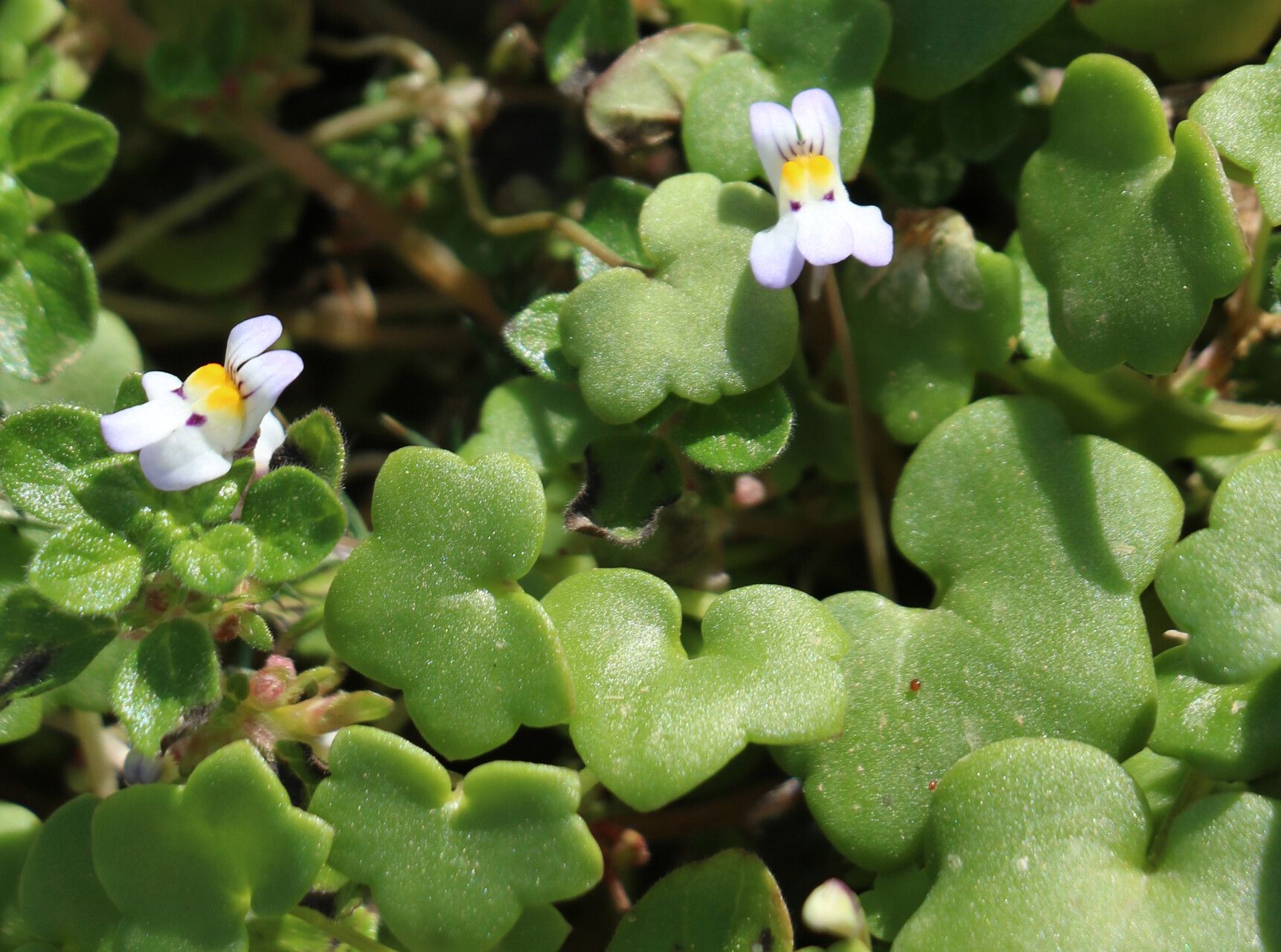
Hello fellow plant lovers! Today, we’re diving into the delightful world of propagating Cymbalaria longipes.
The Charm of Cymbalaria longipes
I just adore Cymbalaria longipes. Its delicate, trailing stems adorned with charming little snapdragon-like flowers in shades of purple and white bring such a whimsical touch to any garden space, especially rock gardens or hanging baskets. And you know what’s even better than admiring one? Growing more of them yourself! Propagating this beauty is incredibly rewarding, and I’m happy to say, it’s a pretty beginner-friendly plant to get started with. You’ll be sharing these little darlings with friends in no time.
When to Get Your Hands Dirty
The best time to start propagating Cymbalaria longipes is generally in the late spring to early summer. This is when the plant is actively growing after its spring flush. You want to collect cuttings from healthy, vigorous stems that aren’t flowering or fruiting. Think of it as taking a piece of its prime growth energy!
Gathering Your Tools
Before we get started, let’s make sure you have everything you need. Here’s a quick checklist:
- Sharp Pruning Shears or Scissors: Cleanliness is key!
- Small Pots or Seed Trays: For your new baby plants.
- Well-Draining Potting Mix: I like a blend of potting soil with perlite or coarse sand for good aeration.
- Rooting Hormone (Optional but helpful): A powder or gel to encourage root development.
- Watering Can or Spray Bottle: For gentle watering.
- Labels: To keep track of your propagations!
Propagation Adventures: Bringing New Plants to Life
Cymbalaria longipes is quite obliging and can be propagated through a few easy methods. I find stem cuttings to be the most reliable and straightforward.
Stem Cuttings: The Reliable Route
- Snip with Care: Select a healthy stem that is at least 4-6 inches long. Using your clean pruning shears, cut the stem just below a leaf node. A leaf node is where a leaf attaches to the stem – that’s where the magic happens and roots will emerge.
- Prepare Your Cutting: Gently remove the lower leaves from the cutting, leaving just 2-3 leaves at the top. This prevents the submerged leaves from rotting in the soil.
- Dip and Plant: If you’re using rooting hormone, dip the cut end into the powder or gel. Then, make a small hole in your prepared potting mix and gently insert the cutting, ensuring the leaf nodes are covered by soil.
- Water and Wait: Water the soil thoroughly but gently. You want it moist, not soggy. Place your pot in a bright spot with indirect sunlight. Avoid direct sun, which can scorch delicate new cuttings.
Water Propagation (A Fun Alternative!)
If you’re eager to watch the roots grow, water propagation is a neat option.
- Prepare Your Cutting: Follow steps 1 and 2 from the stem cutting method above.
- Into the Water: Place the cuttings in a small jar or glass of clean water. Make sure no leaves are touching the water. Submerged leaves will quickly rot and can sour the water, hindering root growth.
- Change the Water: Change the water every few days, or whenever it starts to look cloudy.
- Watch and Wait: Once you see little white roots appearing (this usually takes a few weeks), you can pot them up into your well-draining mix.
The “Secret Sauce”: My Insider Tips
After years of fiddling in the garden, a few little tricks really make a difference.
- Don’t Overcrowd: When planting multiple cuttings in one pot, give them a little breathing room. This helps with air circulation and reduces the risk of fungal diseases.
- A Little Warmth Goes a Long Way: While Cymbalaria longipes cuttings don’t need it, placing your pots on a gentle heating mat can speed up root formation quite a bit. It mimics the warmth of spring soil.
- Patience is a Gardener’s Virtue: Seriously. Some cuttings root faster than others. Don’t get discouraged if you don’t see action immediately. Keep them in the right conditions, and they’ll surprise you.
Aftercare and What to Watch For
Once your cuttings have developed a good root system (you can gently tug on them – if there’s resistance, they’re rooting!), it’s time to treat them like mature plants. Continue to water them when the top inch of soil feels dry. Gradually introduce them to more sunlight.
The most common sign of trouble is rot. If your cuttings turn mushy, black, or just seem to be wilting without explanation, it’s likely due to overwatering or poor drainage. If you see this, remove the affected cutting immediately and check your soil moisture. Sometimes, it’s just a matter of adjusting your watering schedule.
Happy Propagating!
So there you have it – a simple guide to multiplying your Cymbalaria longipes. It’s such a joy to see a tiny cutting unfurl its first new leaves and eventually become a lush cascade of blooms. Be patient, enjoy the process of nurturing new life, and happy gardening!
Resource: