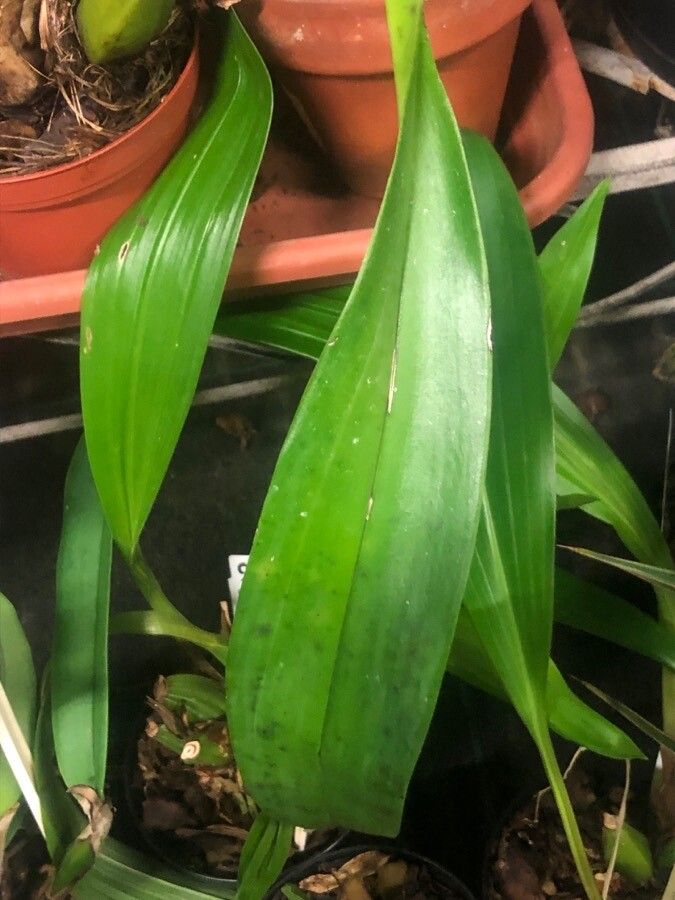
Oh, hello there! Pull up a chair, let’s chat orchids. Today, we’re diving into the wonderful world of Trichopilia laxa. If you’ve ever seen this beauty, you know why I’m so smitten. Those delicate, often ruffled blooms are just breathtaking, and the plant itself has this lovely, almost elegant growth habit. Bringing a new Trichopilia laxa into existence is one of my favorite gardening adventures. It’s so rewarding to nurture a little sprout into a blooming marvel. Now, are they tricky? Well, let’s just say they take a little attention, but I think with a few pointers, even a budding orchid enthusiast can have success.
The Best Time to Start
The absolute sweet spot for propagating Trichopilia laxa is after it finishes blooming. This is when the plant has gathered its energy and is ready to put it into new growth. Think late spring or early summer. You’ll see new pseudobulbs starting to swell, and that’s your signal. It’s like the plant is saying, “Okay, I’ve done my show, now I’m ready to grow!”
Supplies You’ll Need
You don’t need a whole workshop for this, but having the right tools makes all the difference. Here’s what I always have on hand:
- Sterilized sharp pruning shears or a clean knife: For making those precise cuts.
- Rooting hormone powder (optional but helpful): Especially for divisions.
- A well-draining orchid potting mix: I like a blend of bark, perlite, and a bit of sphagnum moss.
- Small pots or seedling trays: Food-grade plastic ones are great; they let you see the roots develop.
- Soft potting label and a waterproof marker: Don’t underestimate the power of labeling!
- A spray bottle: For gentle misting.
- Clear plastic bags or a mini greenhouse: To create a humid environment.
- A small, sharp watering can or syringe: For precise watering.
Propagation Methods
Trichopilia laxa is most commonly propagated through division. It’s the most straightforward and successful method for this particular orchid.
Method: Division
- Gently Remove from Pot: Carefully slide your Trichopilia laxa out of its current pot. If it’s stuck, gently squeeze the sides of a plastic pot or tap the sides of a clay pot. Don’t yank!
- Clean the Roots: This is crucial. Gently brush away as much of the old potting mix as you can from the root ball. Use your fingers or a soft brush. We want to see the rhizome and the base of each pseudobulb clearly.
- Identify Sections: Look for natural divisions. You’re typically looking for sections that have at least two to three healthy pseudobulbs and a good root system attached. The rhizome, that thick stem connecting the pseudobulbs, is where the magic happens.
- Make the Cut: Using your sterilized shears or knife, make a clean cut through the rhizome to separate the sections. Try to go between pseudobulbs where possible. If a division has little or no roots, don’t despair – it can still grow, but it’ll take longer.
- Apply Rooting Hormone (Optional): If you have it, lightly dip the cut end of the rhizome base into rooting hormone powder. This can give it a little boost.
- Potting Up: Plant each division into its own small pot. Bury the pseudobulbs partially, but ensure the crown (where new leaves emerge) is not submerged. Use your fresh, well-draining orchid mix.
- Initial Watering: Water gently but thoroughly. I like to wait a day or two after repotting before the first watering, especially if there were any minor root injuries. This allows any cuts to seal.
The “Secret Sauce” (Pro Tips)
Here are a couple of things I’ve learned over the years that really seem to help these beauties thrive during propagation:
- Don’t Over-Pot: A common mistake is putting a small division into a pot that’s far too big. This leads to the potting mix staying wet for too long, which can cause rot. Use a pot that just comfortably fits the division, with room for a little growth.
- Humidity is Your Best Friend: After potting, I like to give my divisions a nice, gentle misting. Then, I pop them into a clear plastic bag with a few air holes or a mini-greenhouse. This creates a humid microclimate that encourages root development. Just make sure the leaves aren’t directly touching the plastic, as this can encourage fungal issues. I’ll often prop the bag up with a chopstick or two.
- Patience with Pseudobulbs: Sometimes, a division might look a little sad for a while, with wrinkly pseudobulbs. This is normal! The plant is conserving energy and focusing on root growth. Resist the urge to overwater. Often, once roots establish, the pseudobulbs will plump back up.
Aftercare & Troubleshooting
Once your divisions are potted, keep them in a spot with bright, indirect light. Avoid direct sun, which can scorch delicate new growth. The key for the first few weeks is consistent, but not excessive, moisture. Mist the potting mix lightly when the top feels dry.
Common Signs of Failure:
- Rot: This is the big one. If you see pseudobulbs turning black and mushy, or the rhizome going dark and soft, it’s usually a sign of too much moisture and poor air circulation. You might need to unpot, trim away the rotted parts with a sterilized knife, and repot into dry medium, being much more conservative with watering.
- No New Growth: If after a few months you see absolutely no signs of new roots or leaf development, it might mean the division wasn’t viable, or it’s just taking its sweet time. Don’t give up too quickly!
A Little Encouragement
Propagating Trichopilia laxa is a journey, and like all good gardening adventures, it requires patience. Settle in, give your new divisions a good home, and trust the process. Each new plant you grow is a testament to your nurturing touch. Enjoy watching them unfurl their roots and eventually grace you with their exquisite blooms. Happy growing!
Resource:
https://identify.plantnet.org/k-world-flora/species/Trichopilia%20laxa%20(Lindl.)%20Rchb.f./data