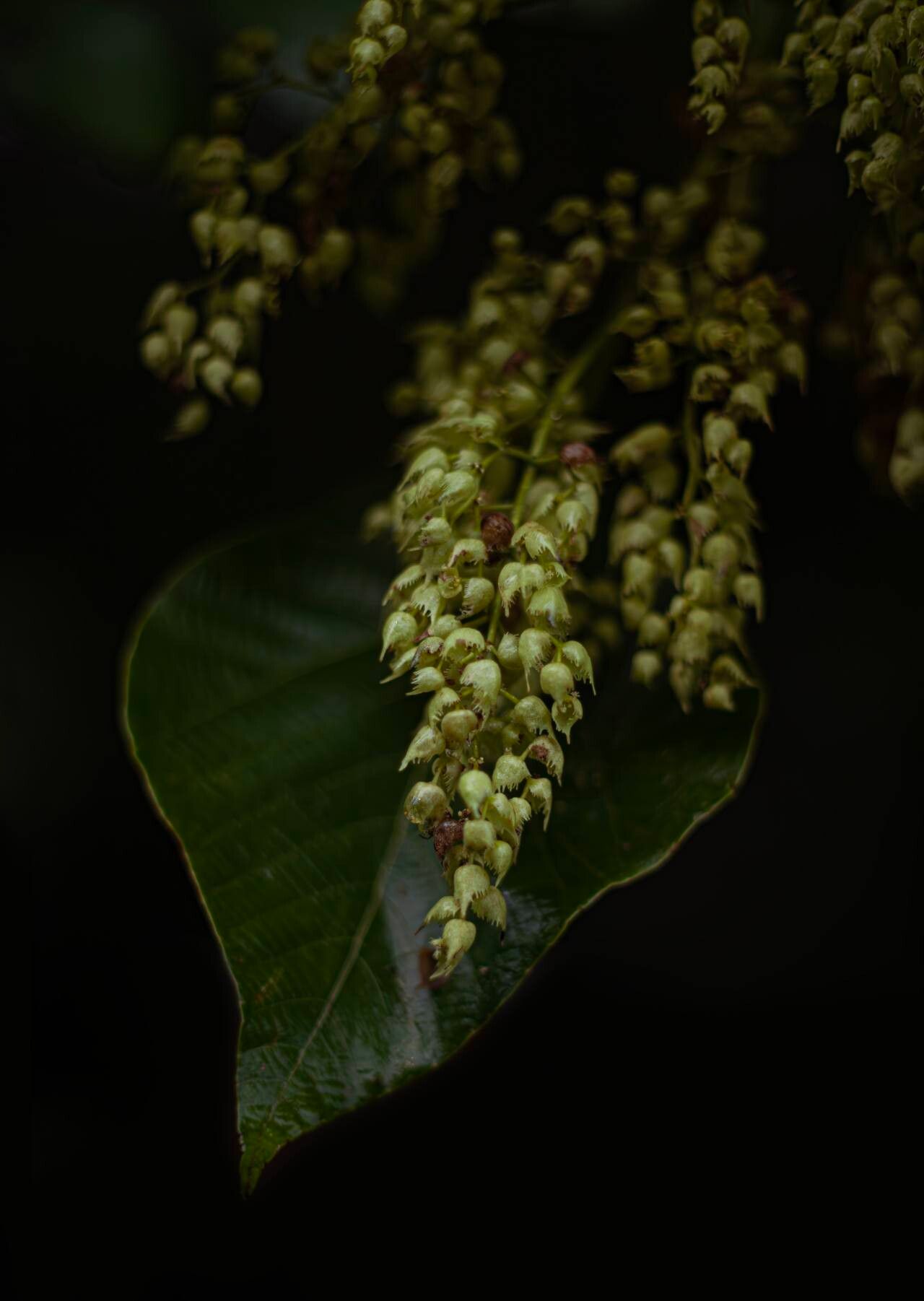
Hello there, fellow plant enthusiasts! It’s me, back with another gardening adventure. Today, we’re diving into the wonderful world of Macaranga tanarius, also known as the graceful or ever-popular Elephant Ear Macaranga.
These beauties are such a joy to have around, aren’t they? Their large, dramatic leaves bring a tropical flair to any garden or indoor space. Plus, the simple act of coaxing a new plant into existence from a cutting is incredibly rewarding. It’s like witnessing a little miracle unfold right before your eyes! For those just starting their plant journey, you’ll be happy to know that Macaranga tanarius is generally quite forgiving, making it a fantastic choice for beginners looking to expand their plant family.
The Best Time to Start
When it comes to getting the most bang for your propagation buck, spring and early summer are your golden windows. This is when the plant is actively growing and has a good supply of energy to put into developing new roots. You’ll want to select stems that are firm and healthy, but not yet woody. Think of it like choosing the perfect age – not too young and flimsy, and not too old and set in its ways.
Supplies You’ll Need
Before we get our hands dirty, let’s gather our essentials. Having everything ready makes the process so much smoother.
- Sharp, clean pruning shears or a sharp knife: Essential for making clean cuts to avoid damaging the plant.
- A well-draining potting mix: I like to use a blend of equal parts peat moss or coco coir, perlite, and compost. This provides aeration and moisture retention without becoming waterlogged.
- Small pots or trays: Choose pots with drainage holes, of course!
- Rooting hormone (optional but recommended): This isn’t strictly necessary for Macaranga tanarius, but it can give your cuttings a significant boost.
- A clear plastic bag or a small propagator: This helps create a humid environment for your cuttings.
- Water: For the cuttings and for keeping the soil moist.
Propagation Methods
Let’s talk about how we can create new Macaranga tanarius plants. Stem cuttings are by far the easiest and my go-to method.
1. Taking Stem Cuttings:
- First, select a healthy stem from your mature plant. Look for a stem that has at least two to three sets of leaves.
- Using your clean pruning shears, make a clean cut just below a leaf node. A leaf node is that little bump on the stem where a leaf or branch grows. This is where the magic happens and roots will form.
- Remove the lower leaves, leaving only the top two or three leaves attached. If the remaining leaves are very large, you can even cut them in half to reduce water loss through transpiration.
- If you’re using rooting hormone, dip the cut end of the stem into the powder or gel. Tap off any excess.
- Moisten your potting mix so it’s damp but not soaking wet.
- Create a small hole in the potting mix with your finger or a pencil.
- Insert the cutting into the hole, ensuring the leaf nodes are buried in the soil. Gently firm the soil around the stem.
- Water lightly to settle the soil.
- Cover the pot with a clear plastic bag or place it in a propagator. This traps humidity, which is crucial for rooting. Make sure the bag doesn’t touch the leaves.
2. Water Propagation (A Simpler Start):
- This method is super straightforward. Take your stem cuttings as described above.
- Remove all the lower leaves, so you have a clean stem with just a few leaves at the top.
- Place the cuttings in a jar or vase filled with clean water. Ensure that the leaf nodes are submerged in the water, but keep the leaves themselves out of the water. This is key to preventing rot.
- Place the container in bright, indirect light.
- Change the water every few days to keep it fresh and prevent bacterial growth.
- You’ll start to see little white roots emerging from the nodes in a few weeks. Once the roots are about an inch long, you can transplant them into potting mix.
The “Secret Sauce” (Pro Tips)
Here are a few little tricks I’ve picked up along the way that can really make a difference:
- Bottom Heat is Your Friend: If you find your cuttings are taking their sweet time or you’re in a cooler climate, consider a heating mat designed for plants. This gentle warmth from below can really encourage root development. I’ve found it makes a big difference, especially for more tropical species.
- Don’t Overwater, But Keep it Humid: While rooting, the soil needs to stay consistently moist, but never soggy. Check the moisture level by sticking your finger about an inch into the soil. If it feels dry, it’s time to water. The plastic bag or propagator is really what keeps the humidity high. Think of it as creating a miniature greenhouse environment.
- Patience is a Virtue (and a Requirement!): Sometimes, you won’t see much happening for weeks. Don’t get discouraged! Your Macaranga tanarius cutting is busy working underground, developing those crucial roots. Resist the urge to pull it up and check too often.
Aftercare & Troubleshooting
Once you see signs of new growth or a decent set of roots, it’s time for a little transition.
- Gradually Acclimate: If you used a plastic bag or propagator, slowly open it up a little bit each day over a week to let the cuttings get used to normal humidity levels before removing it completely.
- Continue to Water Gently: Keep the soil consistently moist but not waterlogged.
- Provide Bright, Indirect Light: They’ll love a spot that gets lots of light but is protected from harsh, direct sun.
- Watch for Rot: The most common issue you might face is rot. If you see your stem turning mushy or black, it’s likely due to too much moisture and poor air circulation. Unfortunately, if a cutting rots, it’s hard to save. The best prevention is good drainage, not overwatering, and ensuring good air circulation once roots appear. If you go the water propagation route, remember: leaves OUT of the water!
A Warm Encouragement
Propagating plants is a journey, and like any good journey, it requires a bit of patience and a lot of love. Don’t worry if your first attempt isn’t picture-perfect. Each cutting you take is a lesson learned, and each success is a wonderful celebration. So grab your shears, get your hands in the soil, and enjoy the magic of growing something new. Happy gardening!
Resource:
https://identify.plantnet.org/k-world-flora/species/Macaranga%20tanarius%20(L.)%20Müll.Arg./data