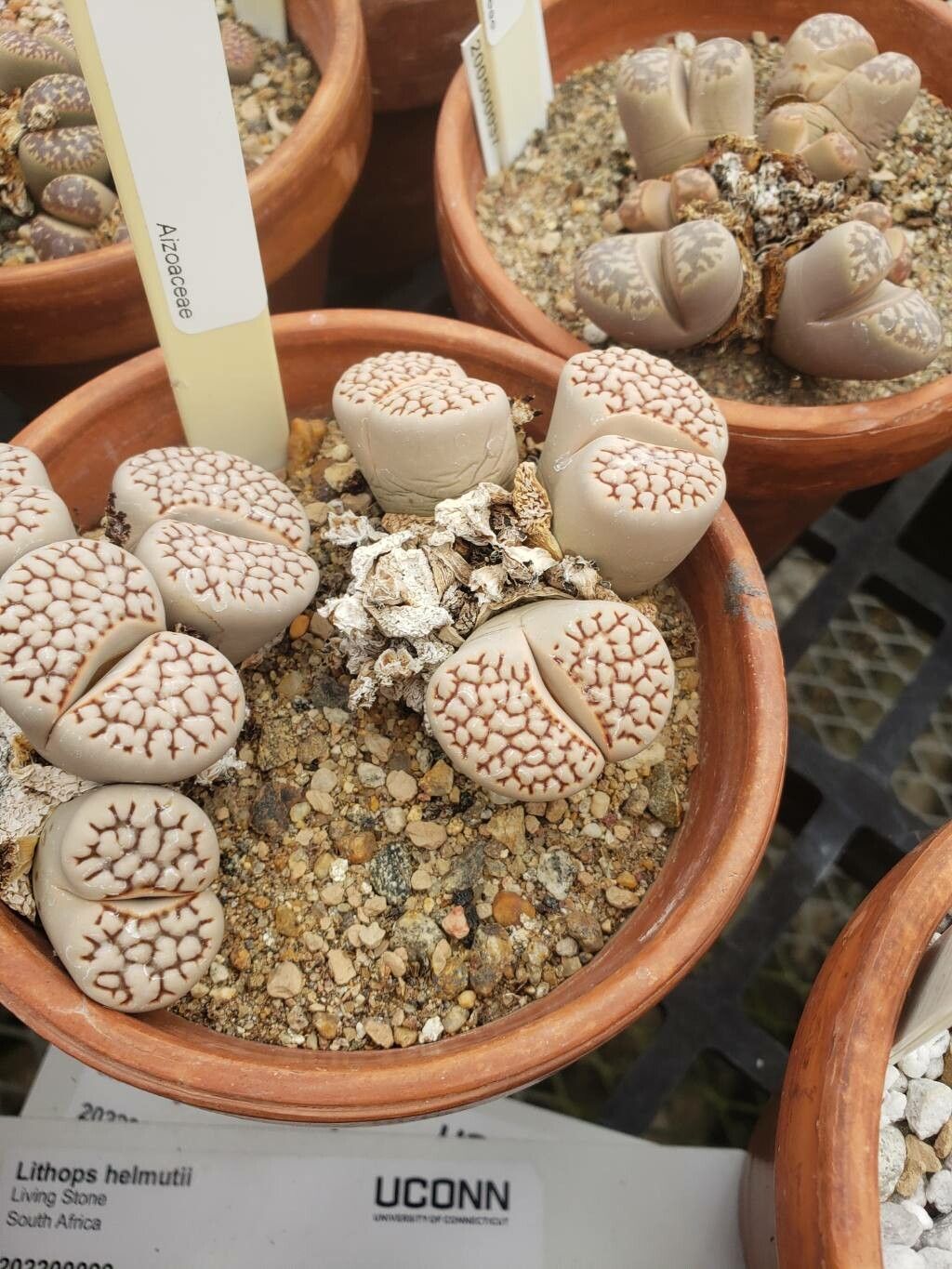
Hello, fellow plant lovers! Today, we’re diving into the fascinating world of Lithops julii, those delightful little “living stones” that bring such unique charm to any collection. If you’ve ever admired their quirky beauty and wondered how to get more of them, you’re in the right place. Propagating Lithops can be incredibly rewarding, though I’ll be honest, they aren’t always the most straightforward plants for absolute beginners. But with a little patience and the right approach, you can absolutely succeed!
The Best Time to Start
For Lithops julii, the magic happens during their active growing season, which is typically spring and early summer. This is when they’re full of energy and most likely to root successfully. You’ll want to avoid propagating them during their dormancy period, which usually falls in late summer or early autumn. Observing your plant is key – when it’s actively growing and looking plump, that’s your green light!
Supplies You’ll Need
Gathering your supplies beforehand makes the whole process much smoother. Here’s what I always have on hand:
- Well-draining soil mix: A cactus or succulent mix is a good base, but I like to amend mine with extra perlite or pumice for serious drainage. Think sand, grit, and very little organic matter.
- Sharp, clean secateurs or a craft knife: For making clean cuts. Sterilize them with rubbing alcohol between uses to prevent disease.
- Small pots or trays: Shallow containers are often best for Lithops babies.
- Optional: Rooting hormone: While not strictly necessary for Lithops, a little bit can sometimes give an extra nudge.
- A spray bottle: For gentle watering.
- Labels: So you don’t forget what you’ve planted!
- A warm, bright location: Out of direct, scorching sun initially.
Propagation Methods
Lithops julii are primarily propagated through division, as they tend to form clumps over time. While stem cuttings aren’t really a thing for these guys (they don’t have stems in the typical sense!), you can sometimes get lucky with leaf cuttings, though it’s less common for successful new plantlets. Let’s focus on the most reliable method.
Division
This is the tried-and-true way to multiply your Lithops. It’s best done when the plant is actively growing.
- Gently remove the Lithops from its pot. You want to be able to see the roots clearly.
- Carefully brush away as much of the old soil as you can from the root ball.
- Look for natural divisions. You’ll see where new heads are emerging, often with their own set of roots.
- Using your sterilized secateurs or knife, carefully separate the divisions. Aim to make a clean cut, ensuring each new piece has at least one or two developed roots attached. If a division has no roots, it’s still worth trying, but success is less guaranteed.
- Allow the cut surfaces on both the parent plant and the divisions to callus over for a day or two in a dry, airy spot. This is crucial to prevent rot.
- Once callused, replant each division into its own small pot filled with your well-draining soil mix. Don’t plant them too deep; the top of the plant should be at or slightly above the soil level.
- Water very sparingly for the first week or two. Just a light misting to encourage roots to seek out moisture.
The “Secret Sauce” (Pro Tips)
Here are a few things I’ve learned over the years that make a difference:
- The Soil Mix is King: Don’t skimp on drainage. I often use a mix that’s about 80% inorganic material (pumice, coarse sand, perlite) and only 20% potting soil. This mimics their natural arid habitat perfectly and drastically reduces the risk of rot.
- Patience with Watering: After division, resist the urge to water frequently. The plant has already endured stress, and overwatering at this stage is the fastest way to invite rot. Let the soil dry out completely between light waterings.
- Bottom Heat (Optional but helpful): If you’re propagating during cooler spring days, a heat mat designed for seedlings can really speed up root development. Just place the pots on the mat, and it provides gentle, consistent warmth from below.
Aftercare & Troubleshooting
Once your divisions have started to show signs of new growth or if you see plumpness returning to the leaves, you know roots are forming!
- Gradual Increase in Watering: As the new plants establish, you can gradually increase the frequency of watering, but always let the soil dry out completely between waterings.
- Light: They need bright, indirect light. As they mature, they can handle more direct sun, but acclimate them slowly to avoid sunburn.
- Signs of Failure: The most common culprit is rot. If a division starts to look mushy, discolored (often grey or black), or slimy, it’s usually a sign of rot. Unfortunately, this is often fatal. Overwatering and poor drainage are the main contributors. Another sign of distress is if the leaves start to shrivel excessively even after watering; this can indicate no roots are forming or that the existing roots have rotted.
A Encouraging Closing
Growing Lithops julii from divisions is a wonderful way to expand your collection and to connect with these incredible plants on a deeper level. Remember that nature operates on its own timeline, so be patient. Even if your first attempt isn’t perfect, learn from it. Gardening is a journey, and the joy is as much in the process as it is in the blooms. Happy propagating!
Resource: