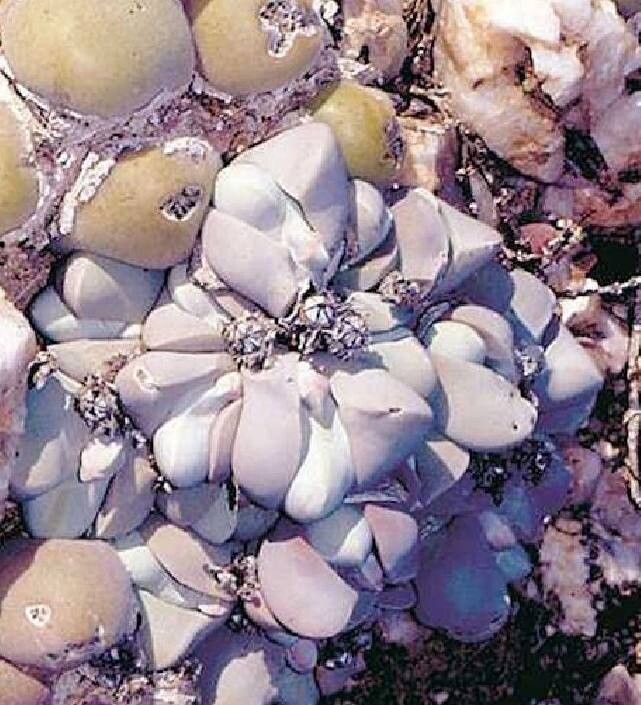
Hello, fellow plant lovers! Today, we’re diving into the world of one of my absolute favorites: Gibbaeum nuciforme. These little beauties, often called “living stones” or “ice plants,” have such a unique charm with their plump, segmented leaves that resemble smooth pebbles. There’s something incredibly satisfying about coaxing a new plant from a small piece of an existing one. If you’re looking to expand your collection of these fascinating succulents, propagating them is a wonderful way to go. For beginners, I’d say Gibbaeum nuciforme is moderately easy to propagate, but a little patience goes a long way.
The Best Time to Start
When it comes to most succulents, timing is key, and Gibbaeum nuciforme is no different. The absolute best time to try your hand at propagation is during its active growing season. For these guys, that typically means spring and early summer. You’ll have the most success when the plant is feeling vigorous and ready to push out new growth. Trying to propagate when the plant is heading into dormancy (fall or winter) is usually a recipe for disappointment. Look for healthy, mature plants that are actively producing offsets or have plenty of plump leaves.
Supplies You’ll Need
Gathering your supplies beforehand makes the whole process much smoother. Here’s what I usually have on hand:
- Well-draining potting mix: A cactus and succulent mix is perfect, or you can make your own by combining potting soil with perlite or pumice in equal parts.
- Sharp, clean pruning shears or a craft knife: For making clean cuts. Sterilize them with rubbing alcohol before and after use!
- Rooting hormone (optional but recommended): This can give your cuttings a helpful boost.
- Small pots or seed trays: Clean and with drainage holes, of course.
- Spray bottle: For misting.
- Patience! This is the most important tool you’ll need.
Propagation Methods
Gibbaeum nuciforme is usually propagated by offsets or leaf cuttings. While stem cuttings are common for other succulents, these plants tend to grow more as a clump and don’t typically produce long stems.
1. Propagating by Offsets
This is often the easiest and most successful method.
- Look for offsets: These are baby plants that grow directly from the base of the parent plant. They’ll usually have their own tiny leaves.
- Gently separate the offset: Using your clean shears or knife, carefully cut or pull the offset away from the mother plant. Try to get as much of its base, including any tiny roots, as possible.
- Allow to callus: Let the cut end of the offset sit in a dry, well-ventilated spot for a day or two. This allows it to form a protective callus, preventing rot.
- Plant the offset: Fill a small pot with your well-draining soil mix. Make a small hole in the center and gently place the offset in it, firming the soil around its base.
- Water sparingly: Wait a few days after planting before giving it its first light watering. You want the soil to be just slightly moist, not wet.
2. Propagating by Leaf Cuttings
This method can be a bit more hit-or-miss than offsets, but it’s still worth a try!
- Select healthy leaves: Choose plump, firm leaves from a mature, healthy plant.
- Make a clean cut: You can either gently twist the leaf off at its base, or use your clean shears to make a clean cut just where the leaf meets the main body of the plant.
- Allow to callus: Just like with offsets, let the cut end of the leaf dry and form a callus for a couple of days in a shaded, airy spot. This is crucial to prevent rot.
- Plant the cuttings: Fill a shallow tray or pot with your well-draining mix. Lay the callused leaf cuttings on top of the soil, with the cut end just barely making contact with the surface, or pushed slightly into it.
- Mist lightly: You don’t want to drown them. Lightly mist the soil every few days, just enough to keep it slightly from drying out completely.
- Be patient: It can take weeks, or even months, for you to see any sign of roots or a new baby plant emerging from the base of the leaf.
The “Secret Sauce” (Pro Tips)
Here are a couple of things I’ve learned over the years that can really make a difference:
- Don’t let the leaves touch the water (if using water propagation, though I less commonly use it for Gibbaeum): While some succulents root well in water, Gibbaeum nuciforme can be prone to rot if its leaves are submerged. If you do try water propagation with leaf cuttings, make sure only the very bottom of the cut end is touching the water, not the entire leaf. However, I nearly always stick to soil for these.
- Bottom heat can be a game-changer: If you have access to a seedling heat mat, using it under your propagation trays can significantly speed up root development. The gentle warmth encourages the plant to put its energy into growing roots. Just make sure the temperature stays moderate – too hot and you’ll cook your new babies!
Aftercare & Troubleshooting
Once you see that lovely sign of roots or a tiny new plant emerging, your job isn’t quite done.
- Continue with bright, indirect light: Gradually introduce your new plants to more light, but avoid harsh, direct sun, which can scorch their delicate new growth.
- Watering: Water only when the soil is almost completely dry. It’s far better to underwater than to overwater at this stage. Use your spray bottle to mist the soil now and then, ensuring good air circulation.
- Troubleshooting – Rot is the enemy: The most common problem you’ll encounter is rot. If you see a cutting or offset turning mushy and black, it’s likely gone. This is usually a sign of overwatering or insufficient drainage. If you catch it early, you might be able to cut away the rotten part and let the healthy bit callus over again, but often, it’s a goner.
- Troubleshooting – No growth: If you’ve waited weeks and seen absolutely no action, don’t despair! Sometimes, they just need a little extra time. Ensure they are getting adequate light and that the soil isn’t overly wet.
A Encouraging Closing
Propagating plants, especially unique ones like Gibbaeum nuciforme, is a journey of learning and observation. There will be successes, and yes, there might be a few failures along the way. That’s perfectly normal! Be patient, trust the process, and savor the joy of watching new life emerge. Happy propagating!
Resource: