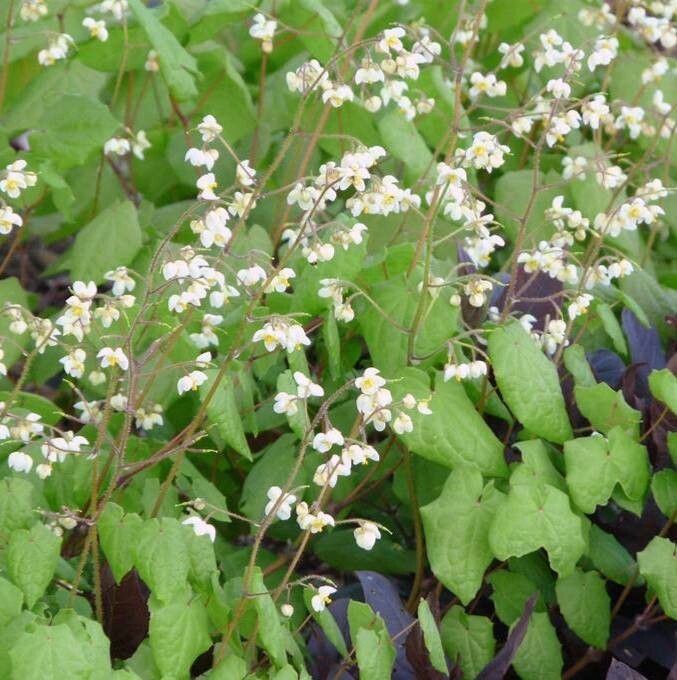
Hello, fellow garden enthusiasts! I’m so excited to chat with you today about a plant that holds a special place in my heart – Epimedium, also known as Barrenwort or Fairy Wings. If you’ve ever admired their delicate, often ethereal blooms and lush, heart-shaped foliage that grace shady corners with such elegance, you’re not alone. Propagating Epimedium pubigerum is a wonderful way to expand your collection of these woodland gems, and I promise, it’s more achievable than you might think. While it might have a reputation for being a bit selective, with a little know-how, you’ll be well on your way to success.
The Best Time to Start
The absolute sweet spot for propagating Epimedium pubigerum is late spring or early summer, right after the plant has finished its spectacular flowering display. This is when the plant is actively growing, and its stems have enough energy to support new root development. Trying to propagate them too early, when they’re just waking up, or too late, as they head into dormancy, can make your efforts more challenging.
Supplies You’ll Need
To get your Epimedium propagation off to a good start, gather these essentials:
- Sharp pruning shears or a clean knife: For making precise cuts.
- Rooting hormone (optional but recommended): A powder or gel can significantly boost your success rate.
- Small pots or propagation trays: With good drainage holes.
- A well-draining potting mix: I like to use a 50/50 blend of seed-starting mix and perlite, or a good quality houseplant mix amended with perlite.
- A plastic bag or clear propagation dome: To create a humid environment.
- Labels and a marker: To keep track of your cuttings.
- Watering can with a fine rose: For gentle watering.
Propagation Methods
For Epimedium pubigerum, the most reliable method I’ve found is through division, though you can also try stem cuttings if you’re feeling adventurous.
Division: My Go-To Method
This is the easiest and most successful way to increase your Epimedium plants.
- Digging Up the Parent Plant: In late spring or early summer, when the plant is done flowering, gently dig around the base of your Epimedium. You want to lift the entire clump from the soil. Be careful not to damage the roots more than necessary.
- Cleaning the Roots: Gently shake off excess soil or rinse the root ball with water until you can clearly see the rhizomes (the thick, fleshy underground stems).
- Dividing the Rhizomes: Look for natural breaks in the rhizome system. You’ll want each division to have at least one healthy bud or growth point and a good portion of roots. You can often pull them apart with your hands, or you might need to use your clean knife or shears to cut through thicker rhizomes.
- Replanting: Immediately replant your divisions. Dig a planting hole that’s deep enough for the roots and wide enough to accommodate the division comfortably. The top of the rhizome should be just barely covered with soil, about half an inch deep at most. Water them in thoroughly.
Stem Cuttings (For the Brave!)
This method is a bit more finicky but can be rewarding.
- Taking Cuttings: In late spring or early summer, select healthy, non-flowering stems that are about 4-6 inches long. Make a clean cut just below a leaf node.
- Preparing the Cuttings: Carefully strip off the lower leaves, leaving just two or three at the very top. You can also cut the remaining leaves in half to reduce water loss.
- Applying Rooting Hormone: Dip the cut end of each stem into rooting hormone, tapping off any excess.
- Planting the Cuttings: Fill your small pots or propagation tray with your prepared potting mix. Make a small hole in the center of the mix with a pencil or your finger. Insert the cutting into the hole, ensuring the leaf nodes are below the soil surface. Gently firm the soil around the stem.
- Creating Humidity: Water the mix gently. Then, cover the pots or tray with a clear plastic bag or propagation dome. Make sure the leaves do not touch the plastic.
The “Secret Sauce” (Pro Tips)
Here are a few tricks I’ve learned over the years that can really make a difference:
- Don’t Be Afraid to Bare-Root Them: When dividing, especially if the soil is heavy, don’t hesitate to thoroughly wash off all the soil. It allows you to clearly see the rhizome structure and make cleaner divisions.
- Think Like a Woodland Plant: Epimedium thrives in dappled shade and moist, well-drained soil. Replicate these conditions when you replant your divisions or your cuttings. Avoid direct, hot sun.
- Be Patient with Cuttings: If you’re trying stem cuttings, be aware that Epimedium can be slow to root. Don’t despair if you don’t see immediate growth. Keep them consistently moist and humid, and check for root development by gently tugging after about 6-8 weeks.
Aftercare & Troubleshooting
Once your divisions are replanted or your cuttings have rooted (you’ll see new leaf growth emerging), it’s time for a little extra TLC.
- Watering: Keep the soil consistently moist but not soggy. While they appreciate humidity for rooting, established plants, even divisions, will need regular watering, especially during dry spells. Ensure good drainage to prevent root rot.
- Light: Continue to provide them with dappled shade or bright, indirect light. Too much sun can scorch new growth.
- Fertilizing: I usually wait until the following spring to fertilize divisions and newly rooted cuttings. A light feeding with a balanced, slow-release organic fertilizer is plenty.
Troubleshooting: The most common enemy here is rot. If your cuttings suddenly turn mushy or dark at the base, or if your divisions fail to establish and look limp and discolored, it’s usually a sign of overwatering and poor drainage. Ensure your pots have drainage holes and your soil mix is airy. If you see signs of rot, you might need to trim away affected parts and replant in fresh, drier mix.
A Bit of Patience, A Lot of Reward
Propagating Epimedium pubigerum is a wonderful journey. It connects you more deeply with these delightful plants and allows you to share their beauty with others. Remember to be patient, observe your new charges, and celebrate every little sign of progress. Before you know it, you’ll have a garden bursting with these enchanting Fairy Wings, and that’s a truly rewarding feeling. Happy gardening!
Resource: