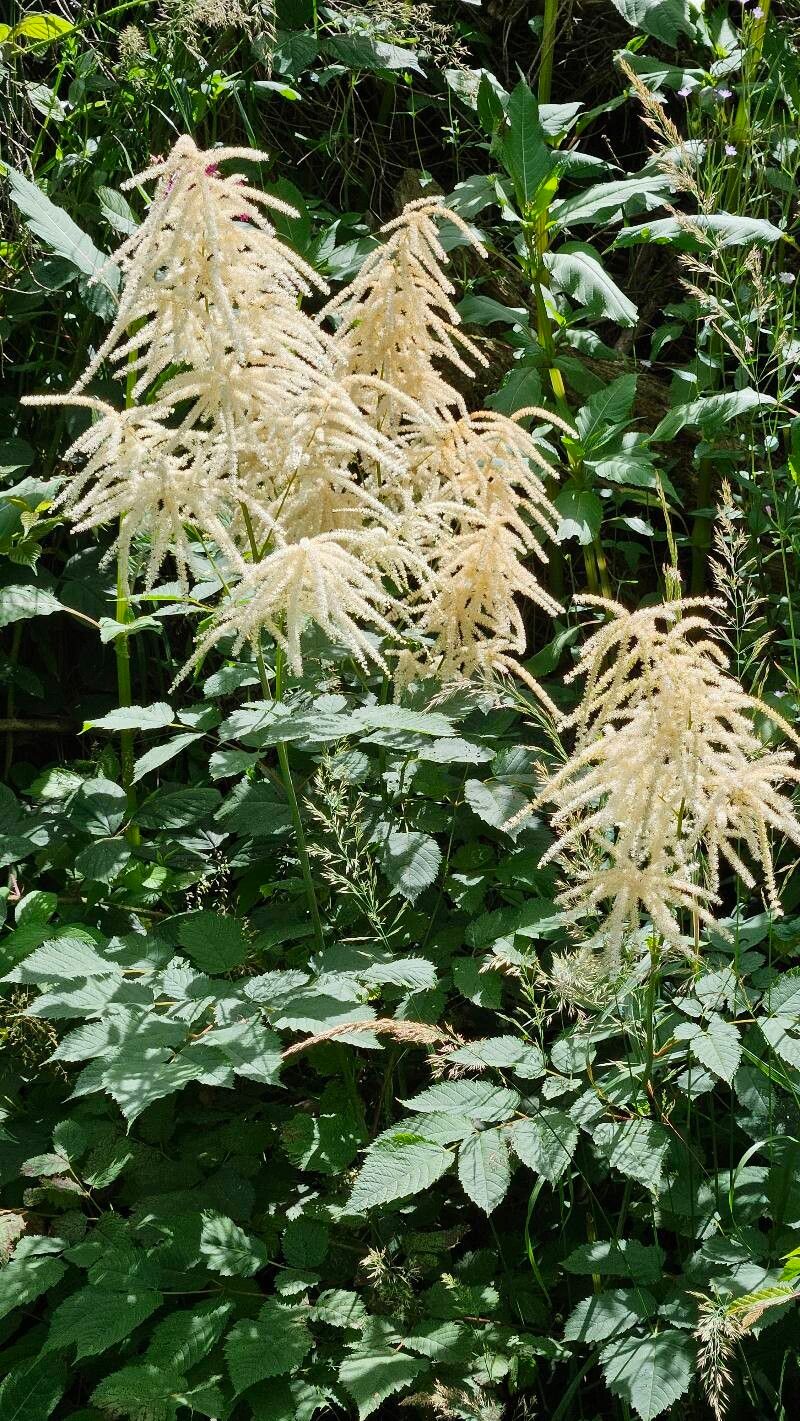
Oh, Aruncus dioicus! Isn’t it just a dream? Those feathery plumes of white bloom, like delicate clouds hovering over your garden. It brings such a graceful, almost ethereal beauty, doesn’t it? And the best part? You can easily create more of these beauties to share, or simply to fill up those shady corners you’ve been meaning to spruce up. For a beginner, I’d say Aruncus is a pretty forgiving plant to try propagating from. With a little patience and a few key steps, you’ll be well on your way to success.
When to Get Your Hands Dirty
For Aruncus, the best time to propagate is in the spring, as new growth is really getting going. You want to catch it when it’s actively growing but before it gets too established for the season. Think of it like this: you’re snagging that vibrant, youthful energy to give your new plants the best start.
Your Propagation Toolkit
Here’s what you’ll want to gather before you begin:
- Sharp pruning shears or a clean knife: For making those crucial cuts.
- Rooting hormone (optional, but helpful): This little packet can really speed things up.
- Well-draining potting mix: A blend of potting soil and perlite or coarse sand works wonders.
- Small pots or containers: Yogurt cups with drainage holes poked in the bottom are perfectly fine for starting out!
- Watering can with a fine rose: To avoid disturbing your cuttings.
- A plastic bag or a clear lid: To create a mini-greenhouse effect.
Bringing New Life to Aruncus
The most straightforward way to propagate Aruncus dioicus is through division. This is where you physically separate sections of an established plant.
- Dig Gently: In early spring, carefully dig around the base of your mature Aruncus plant. You want to expose the root ball without causing too much damage.
- Inspect and Separate: Gently shake off some of the soil. You’ll see where the plant naturally divides into smaller sections. You can often pull these apart with your hands. If a section is a bit stubborn, use your clean knife or shears to cut through the roots and crown. Make sure each new section has healthy roots and at least one good bud or growth point.
- Replant Immediately: Pot up your new divisions into your well-draining soil. They should be planted at the same depth they were originally growing. Water them thoroughly.
While stem cuttings are possible for some plants, division is generally more reliable and successful for Aruncus.
My Little Secrets for Success
- Don’t Forget the Dormant Buds: When you’re dividing, look closely for those little dormant buds on the crown of the plant. These are where new shoots will emerge. Make sure each division has at least one of these.
- Give Them a Cozy Home: Once divided and potted, water them well and then put a plastic bag over the pot, or cover it with a clear lid. This traps humidity and keeps the plant from drying out while it reassures itself that it’s still alive and well. Place them in a bright spot, but out of direct, harsh sunlight.
Nurturing Your New Sprouts
Once roots have begun to form and you see new growth emerging from your division, they’re ready to be treated like little Aruncus youngsters.
- Water Regularly: Keep the soil consistently moist, but not waterlogged. Good drainage is your best friend here!
- Gradual Acclimation: If you’ve used a plastic bag, start by opening it up for a few hours each day, gradually increasing the time until you can remove it completely. This helps them adjust to drier air.
- Watch for Trouble: The most common issue you might encounter is rot, usually caused by overwatering or poor drainage. If you see wilting that doesn’t perk up after watering, or a mushy base, it’s a sign things aren’t quite right. Sometimes, if caught early, you can trim away rotted parts and repot in fresh, dry soil.
Happy Gardening!
Propagating Aruncus can feel like a little bit of gardening magic. Be patient with your new plants; they have their own rhythm. Enjoy the process of nurturing them, and soon you’ll have more of those beautiful feathery plumes to admire. Happy planting!
Resource:
https://identify.plantnet.org/k-world-flora/species/Aruncus%20dioicus%20(Walter)%20Fernald/data