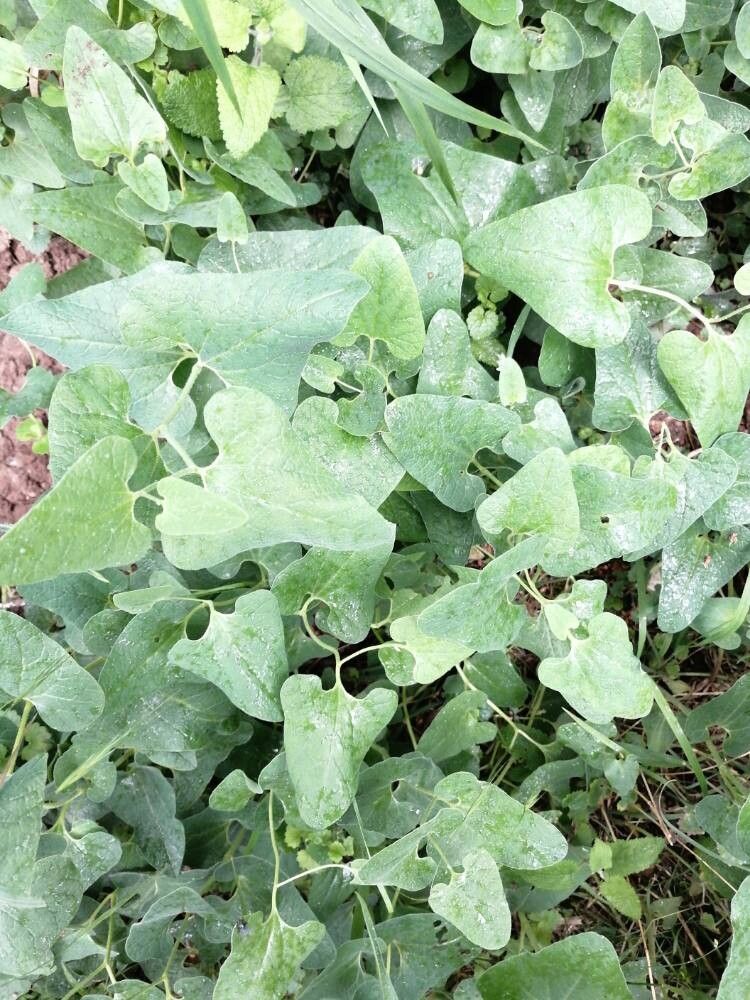
Bringing Home More of That Wonderful Aristolochia Hirta
Oh, Aristolochia hirta! If you’re anything like me, you’ve probably fallen head over heels for this plant. Its distinctive blooms, often artfully shaped and intriguingly patterned, and its lovely foliage are just irresistible. And the best part? You can often share that magic with your own little pieces! Propagating Aristolochia hirta is a truly rewarding experience. It’s not the absolute easiest plant for a complete beginner to jump into, but with a little care and patience, you can absolutely be successful. Think of it as a delightful challenge that’s well worth the effort.
When to Get Your Hands Dirty
I’ve found the absolute best time to start propagating Aristolochia hirta is during its active growing season. For most of us, this means late spring through summer. You’re looking for new, healthy growth that’s not yet woody. Soft, pliable stems root more readily than tough, old wood. Avoid trying to take cuttings when the plant is dormant or stressed.
What You’ll Want in Your Toolkit
Gathering your supplies beforehand makes the whole process so much smoother. Here’s what I always have on hand:
- Sharp Pruning Shears or a Craft Knife: Clean cuts are crucial.
- Rooting Hormone (Optional but Recommended): A little boost can make a big difference. Look for one formulated for softwood cuttings.
- Well-Draining Potting Mix: I like a blend of equal parts perlite and peat moss, or a good quality succulent or cactus mix.
- Small Pots or Seed Trays: Clean and with drainage holes.
- Clear Plastic Bags or a Propagator: To create a humid environment.
- Small Pebbles or Vermiculite: For a good base in shallow pots if you’re not using deep ones.
- Watering Can with a Fine Rose: To avoid disturbing your delicate cuttings.
- Plant Labels: Trust me, you’ll thank yourself later!
My Go-To Propagation Methods
Let’s get down to the nitty-gritty. Here are the methods that have worked wonders for me with Aristolochia hirta:
Stem Cuttings: My Favorite Approach
This is typically the most reliable method for Aristolochia.
- Make Your Cut: Use your sharp shears to take a healthy, non-flowering stem cutting that’s about 4-6 inches long. Make the cut just below a leaf node (where the leaf attaches to the stem).
- Prepare the Cutting: Gently remove the lower leaves, leaving just a couple of leaves at the very top. This helps the plant conserve energy. If the remaining leaves are very large, you can cut them in half horizontally to further reduce water loss.
- Dip in Rooting Hormone: If you’re using rooting hormone, dip the cut end into the powder or gel. Tap off any excess.
- Plant Your Cutting: Fill your clean pot with your well-draining mix. Make a small hole in the center with your finger or a pencil. Insert the cutting into the hole, ensuring the node where you removed the leaves is buried. Gently firm the soil around the stem bases.
- Water Gently: Water your cutting until the soil is evenly moist but not waterlogged.
- Create Humidity: This is key! Cover the pot with a clear plastic bag, securing it with a rubber band around the rim, or place it in a propagator. This traps moisture and creates that humid microclimate cuttings love. Make sure the leaves aren’t touching the plastic if possible – this can encourage rot.
- Find a Spot: Place the pot in a bright location but out of direct sunlight. Warmth is also beneficial, so a spot near a radiator (but not touching!) or on a heat mat can be excellent.
Water Propagation: A Visible Progress
While I lean towards soil for Aristolochia hirta, water propagation can also yield results.
- Take Your Cutting: Follow steps 1 and 2 above for preparing your stem cutting.
- Place in Water: Put the cutting in a clean glass or jar filled with room-temperature water. Make sure the leaf nodes where you removed leaves are submerged, but try not to have the leaves touching the water surface.
- Change Water Regularly: Change the water every few days to keep it fresh and prevent bacteria buildup.
- Location, Location, Location: Keep it in that bright, indirect light. You should start seeing tiny white roots emerge from the nodes within a few weeks.
- Pot Up: Once the roots are about an inch long, carefully pot the cutting into your well-draining mix, following steps 4-7 from the stem cuttings method.
The “Secret Sauce” – My Insider Tips
After years of experimenting, I’ve picked up a few tricks that seem to consistently boost my success rates:
- Bottom Heat is Your Friend: If you can, using a seedling heat mat under your pots makes a surprising difference. It encourages root development from the bottom up, which is exactly what we want.
- Don’t Over-Water, Ever!: This is probably the biggest killer of cuttings. Aristolochia cuttings are susceptible to rot if kept too wet. It’s better to have the soil slightly on the dry side than soggy. A good rule of thumb is to water only when the top inch of soil feels dry.
- Watch for Those Little White Roots!: When you’re gently tugging on a cutting and feel a little resistance, that’s a good sign! For soil cuttings, you can also watch for new leaf growth – that’s a strong indicator that roots are forming.
Nurturing Your New Babies and What to Watch For
Once you see those lovely roots peeking out, your little Aristolochia hirta is well on its way!
- Gradual Acclimation: Once roots are established (usually after 4-8 weeks for soil cuttings, or when roots are about an inch long for water cuttings), it’s time to gradually acclimate your new plant to normal humidity. Start by opening the plastic bag for a few hours each day, or remove it from the propagator for increasing periods.
- First Watering: Water your newly potted plant thoroughly but ensure excess water can drain away.
- Keep Them Cozy: Continue to keep them in bright, indirect light and warm temperatures.
- Troubleshooting Rot: The most common problem you’ll face is rot. If your cutting turns mushy or black, it’s likely rotted. This usually happens from overwatering or poor air circulation. If you catch it early, you might be able to salvage a healthy section, but often it’s best to start fresh. Yellowing leaves that aren’t accompanied by new growth can also indicate too much water or not enough light.
Happy Propagating!
And there you have it! Propagating Aristolochia hirta might take a bit of patience, but the joy of seeing those tiny roots emerge and then watching a new plant unfurl its first leaves is truly something special. Don’t get discouraged if your first few attempts aren’t perfect. Every gardener has been there! Just keep trying, enjoy the process, and soon you’ll have more of this wonderful plant to admire and share. Happy gardening!
Resource:
https://identify.plantnet.org/k-world-flora/species/Aristolochia%20hirta%20L./data