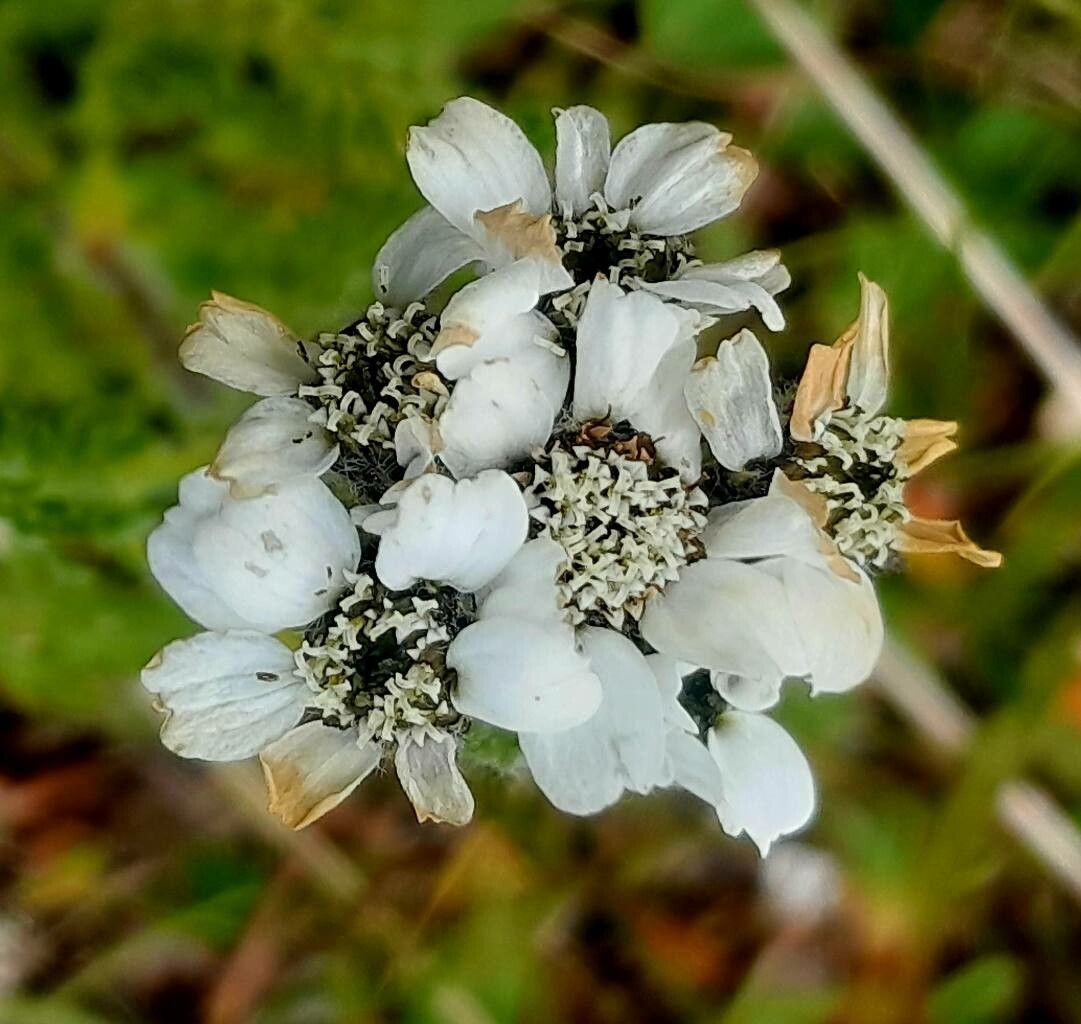
Oh, hello there! Grab your mug, settle in. Today, we’re diving into the wonderful world of Achillea atrata. If you’ve ever admired those lovely, often dusky-leaved yarrows with their delicate, often pale yellow flower clusters, you’re in for a treat. Propagating them is a genuinely rewarding way to fill your garden with these beauties, and I’m always thrilled when someone wants to try their hand at it. Good news for beginners: Achillea atrata is generally quite forgiving. You’ll likely have success with a little patience and the right approach.
The Best Time to Start
For Achillea atrata, I’ve found late spring to early summer is your sweet spot. This is when the plant is actively growing, and its stems are still young and pliable, making them perfect for taking cuttings. You want to avoid taking cuttings from old, woody stems. Think tender, but not floppy.
Supplies You’ll Need
Here’s what you’ll want to have on hand:
- Sharp pruning shears or a clean knife: Sterilized, of course!
- Rooting hormone (optional but recommended): A powder or gel works wonders.
- Well-draining potting mix: A blend of peat or coir, perlite, and a bit of compost is ideal. You don’t want anything too heavy that will hold excess moisture.
- Small pots or seed trays: Clean ones are a must.
- Plastic bags or a propagator lid: To create a humid environment.
- Watering can or spray bottle: For gentle moisture.
Propagation Methods
We’ll focus on the most reliable methods for Achillea atrata.
Stem Cuttings
This is my go-to. It’s straightforward and yields great results.
- Take your cuttings: In late spring or early summer, look for healthy, non-flowering shoots. Using your sterilized shears, cut stems about 3-4 inches long. Make your cut just below a leaf node (where a leaf attaches to the stem).
- Prepare the cuttings: Gently remove the lower leaves from the cutting, leaving just a few at the top. This prevents them from rotting in the soil.
- Dip in rooting hormone: If you’re using rooting hormone, dip the cut end into the powder or gel. Tap off any excess.
- Plant them: Fill your pots with your well-draining mix. Make a small hole with a pencil or your finger and insert the cutting, ensuring the nodes where you removed the leaves are buried. Then, gently firm the soil around the stem.
- Water gently: Give them a good, but not soaking, initial watering.
- Create humidity: Cover the pots loosely with a plastic bag or a propagator lid. This helps retain moisture, which is crucial. Ensure the leaves aren’t touching the plastic if possible.
Division (for established plants)
If you have a mature Achillea atrata that’s looking a bit leggy or overcrowded, division is a fantastic way to refresh it and get more plants.
- Dig carefully: In early spring or autumn, when the plant is dormant or just emerging from dormancy, carefully dig up the entire clump.
- Separate the roots: Gently shake off excess soil to expose the root system. You can usually tease apart the root ball with your hands. If it’s a bit stubborn, you might need to use a sharp spade or knife to divide it into sections. Aim for pieces that have healthy roots and a few shoots.
- Replant immediately: Plant the divisions into their new spots in the garden or into pots filled with good soil. Water them in well.
The “Secret Sauce” (Pro Tips)
- Bottom heat is your friend: For stem cuttings, placing your pots on a heated propagator mat can significantly speed up root development. It mimics the warmth of spring and encourages those roots to get going.
- Patience with the water: If you’re tempted to try water propagation (which works reasonably well for many yarrows, though I still lean towards soil for atrata), be mindful that leaves touching the water will rot. Make sure only the stem is submerged.
- Don’t be afraid to sacrifice a few flowers: If your cutting starts to form a flower bud, I pinch it off. All the plant’s energy should be going into root development, not flowering.
Aftercare & Troubleshooting
Once you see signs of new growth emerging from your cuttings, it’s a good sign roots are forming! You can gently tug on a cutting; if there’s resistance, they’ve rooted.
- Gradually acclimate: Slowly remove the plastic cover over a few days to help the new plants adjust to normal humidity.
- Keep them moist but not soggy: Continue to water them gently. Yellowing leaves and mushy stems are usually a sign of too much water.
- Watch for rot: This is the most common culprit for failure. If you see brown, soft spots on the stem or the entire cutting wilts and turns black, it’s likely rot. Often, this is due to a lack of air circulation or waterlogged soil. I’d then discard the affected cuttings and check your watering and drainage.
A Warm Encouragement
Nurturing new life from a cutting or a division is one of the most satisfying parts of gardening. Be patient with your young Achillea atrata. Some will root quickly, others will take their sweet time. Enjoy the process, learn from each attempt, and soon you’ll have a whole garden full of these lovely plants to share! Happy propagating!
Resource:
https://identify.plantnet.org/k-world-flora/species/Achillea%20atrata%20L./data