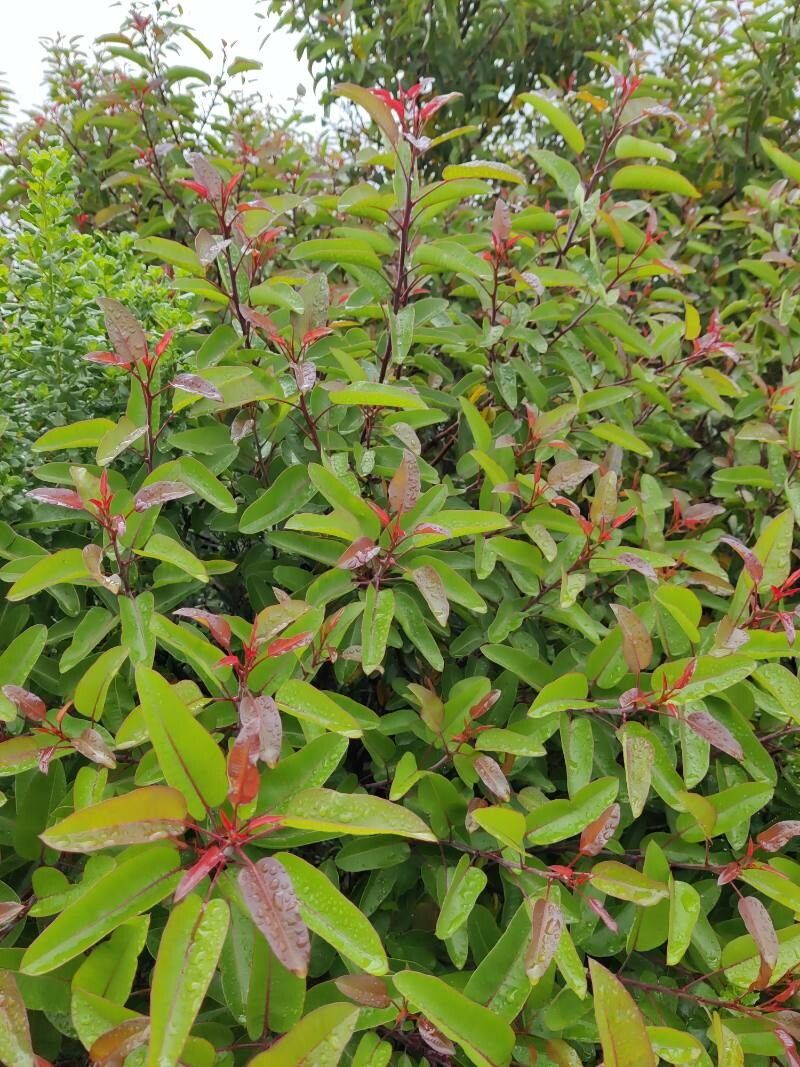
Hello fellow garden enthusiasts! Today, I want to talk about a California native that truly captures the essence of our sun-drenched landscape: Malosma laurina, often called Lemonade Berry. This shrub is just gorgeous. It’s got these beautiful, glossy, evergreen leaves that smell faintly of lemonade when you brush past them – hence the name! Plus, it’s incredibly tough, attracting all sorts of beneficial insects and birds with its summer blossoms and later-season berries.
If you’ve ever admired one of these beauties in a garden or a park, you might be wondering how to get one for yourself. The great news is that propagating Malosma laurina is quite rewarding, and while it has its nuances, it’s definitely achievable with a little patience. It’s not the absolute easiest plant for a first-timer to propagate, but with these steps, you’ll be well on your way.
The Best Time to Start
For the highest success rate with Malosma laurina, I find that late spring to early summer is your golden window. This is when the plant is actively growing and has plenty of energy reserves. You’ll want to take cuttings from young, pliable stems that aren’t yet woody. Think of the new growth that’s emerged since the last pruning or the spring flush.
Supplies You’ll Need
Gathering your supplies beforehand makes the whole process much smoother. Here’s what I usually have on hand:
- Sharp, clean pruning shears or a sharp knife: This is crucial for making clean cuts and preventing disease. Sterilize them with rubbing alcohol between uses.
- Rooting hormone powder or gel: This isn’t strictly necessary for Malosma laurina, but it can significantly speed up root development and increase your success rate. Choose one formulated for woody cuttings.
- Small pots or trays: Anything that allows for good drainage will work. I like using 4-inch pots myself.
- Well-draining potting mix: A good blend of perlite, coco coir, and a small amount of compost is ideal. You want it to hold moisture but not get waterlogged. You can also buy a good quality cactus or succulent mix and amend it with a bit more perlite.
- Clear plastic bags or a propagation dome: This helps maintain high humidity around the cuttings, which is vital for preventing them from drying out.
- A spray bottle filled with water: For misting.
- Optional: A heat mat: This can be very beneficial for encouraging root growth from the bottom.
Propagation Methods
The most reliable way to propagate Malosma laurina is through stem cuttings. It’s straightforward and usually yields excellent results when done correctly.
Stem Cuttings:
- Select Your Cuttings: Go out in late spring or early summer and look for those vibrant, non-woody stems. You want to take cuttings that are about 4-6 inches long. Make a clean cut just below a leaf node. A node is the point where leaves attach to the stem.
- Prepare the Cuttings: Gently remove the lower leaves from the cutting. You want to strip off any leaves that would be below the soil line. You can leave 2-3 sets of leaves at the top. If your leaves are quite large, you can optionally cut them in half to reduce water loss through transpiration.
- Apply Rooting Hormone: Dip the cut end of the stem into your rooting hormone. Gently tap off any excess.
- Planting: Fill your pots with your prepared potting mix. Make a hole in the center of the soil with your finger or a pencil. Place the cutting into the hole, ensuring the rooting hormone stays on the moist part of the stem. Gently firm the soil around the base of the cutting to ensure good contact.
- Watering: Water the soil thoroughly but gently. You want it to be moist, not soggy.
- Create Humidity: Place your pots into clear plastic bags, creating a mini-greenhouse effect. You can use stakes to keep the bag from touching the leaves, or use a propagation dome.
- Placement: Place the pots in bright, indirect light. Avoid direct sun, as this can scorch the tender cuttings. If you have a heat mat, place the pots on it now for gentle bottom warmth.
The “Secret Sauce” (Pro Tips)
Here are a couple of things I’ve learned over the years that really make a difference:
- Don’t Let Leaves Touch Water (in general): While I’m not advocating for water propagation for Malosma laurina here, this is a general rule of thumb. When you’re misting or watering, try to aim for the soil, not directly onto the leaves, especially if they’re in a confined space like a plastic bag. Wet leaves can encourage fungal diseases, and we definitely don’t want that!
- The Power of Bottom Heat: If you can manage it, using a propagation mat for bottom heat is a game-changer for woody cuttings like these. It encourages root formation from the bottom up, significantly speeding up the process and improving your success rates. It mimics the warmth of the soil they’d naturally root in.
Aftercare & Troubleshooting
Once your cuttings are planted, be patient! Check the moisture levels every few days. The soil should feel consistently moist but never waterlogged. You can gently mist the leaves occasionally if the humidity seems to be dropping.
You’ll know your cuttings have rooted when you see new leafy growth appearing at the top. This usually takes anywhere from 4 to 8 weeks, sometimes longer. You can also give a very gentle tug on a cutting; if it resists, it likely has roots.
The most common issue you might encounter is rot. This usually happens if the soil stays too wet or if there isn’t enough air circulation. If you see a cutting turning black and mushy at the base, it’s best to discard it to prevent it from spreading. If this happens, loosen up your watering schedule and ensure good airflow around your cuttings.
A Encouraging Closing
Propagating plants is a journey, and Malosma laurina is a wonderful one to embark on. Don’t be discouraged if your first attempt isn’t perfect. Every gardener learns through trial and error. The satisfaction of nurturing a new plant from a tiny cutting is truly special, and you’ll soon have your own beautiful Lemonade Berry to enjoy. Happy propagating!
Resource:
https://identify.plantnet.org/k-world-flora/species/Malosma%20laurina%20(Nutt.)%20Abrams/data