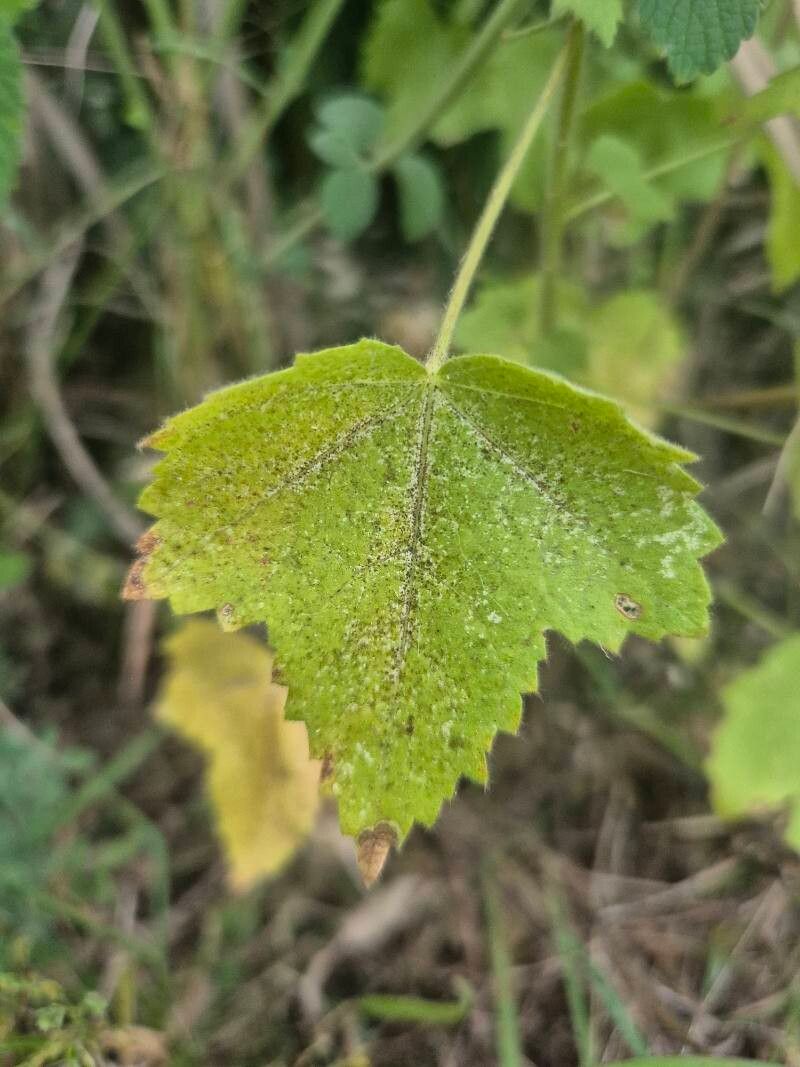
Well hello there, fellow plant lover! I’m so glad you’ve stumbled upon this guide. Today, we’re going to talk about a truly delightful plant: Kosteletzkya adoensis. If you’re a fan of vibrant colors and a bit of tropical flair in your garden, you’re in for a treat. Its lush foliage and cheerful, hibiscus-like blooms are simply wonderful. And the best part? You can easily multiply these beauties yourself through propagation! It’s a very rewarding process, and I’d say it’s quite beginner-friendly, especially the methods we’ll be discussing.
The Best Time to Start
For Kosteletzkya adoensis, the absolute sweet spot for propagation is during the active growing season. Think late spring through summer. This is when the plant has plenty of energy to put into developing new roots. You’ll want to take cuttings from stems that are firm but not woody. This usually means new growth that’s still a bit flexible. Avoid taking cuttings from old, tough stems or during the plant’s dormant period.
Supplies You’ll Need
Before we get our hands dirty, let’s gather our tools. Having everything ready makes the whole process smoother.
- Sharp, clean pruning shears or a sharp knife: Essential for making clean cuts that heal well.
- Rooting hormone (optional but recommended): A little powder or gel can really give your cuttings a boost. Look for one specifically formulated for stem cuttings.
- Well-draining potting mix: A good blend of peat moss, perlite, and a bit of compost works wonders. You can also find pre-made cactus or succulent mixes that often have the right drainage.
- Small pots or trays: Clean containers with drainage holes are a must.
- Plastic bags or a propagation dome: To create a humid environment for your cuttings.
- Watering can or spray bottle: For gentle watering.
- Labels: To keep track of your different projects!
Propagation Methods
We’ll focus on the two easiest and most effective ways to propagate Kosteletzkya adoensis: stem cuttings and division.
Stem Cuttings
This is my go-to method for producing lots of new plants.
- Take the Cutting: Using your clean shears, select a healthy stem. Make a cut just below a leaf node (the spot where a leaf attaches to the stem). Aim for cuttings that are about 4-6 inches long. Remove the lower leaves, leaving just a couple at the very top.
- Apply Rooting Hormone: If you’re using rooting hormone, dip the cut end of the stem into the powder or gel. Tap off any excess.
- Plant the Cutting: Fill your small pots with your well-draining mix. Make a small hole in the center with your finger or a pencil. Gently insert the cut end of the stem into the hole, making sure the nodes where you removed leaves are covered. Firm the soil gently around the cutting.
- Water and Cover: Water the soil very lightly. You want it moist, not soggy. Now, place the pot inside a plastic bag or cover it with a propagation dome. This traps moisture, creating a mini-greenhouse. Make sure the leaves aren’t touching the sides of the bag too much.
Division
If your Kosteletzkya adoensis is already a mature plant, division is a fantastic way to get multiple plants.
- Prepare the Plant: It’s best to do this when the plant is actively growing but not during extreme heat. Gently remove the entire plant from its pot.
- Inspect the Roots: Gently shake off some of the excess soil to get a good look at the root ball. You’ll be looking for natural breaks where the plant has formed separate clumps.
- Divide the Plant: Using your fingers or a clean trowel, carefully pull or cut the root ball apart. Aim to create sections that have plenty of roots and some healthy stems/leaves.
- Pot Up: Pot each division into its own container filled with fresh, well-draining potting mix. Water them lightly, just as you would a transplant.
The “Secret Sauce” (Pro Tips)
Here are a few little tricks I’ve picked up over the years that can really make a difference.
- Don’t Drown Your Cuttings: While they need humidity, sitting in water logged soil is a fast track to rot. After the initial light watering, I like to let the very top of the soil dry out slightly between waterings. It forces the cutting to reach for moisture.
- Bottom Heat is Your Friend: Especially if your home is a bit on the cooler side, placing your pots on a gentle heat mat can significantly speed up root formation. It mimics the warmth of summer soil. Just a low setting is perfect.
- Handle with Care: When you’re working with cuttings, try to avoid touching the cut end too much. And when you’re planting, be gentle. Bruised tissue can be more prone to infection.
Aftercare & Troubleshooting
Once your cuttings have developed roots – you can check by giving a very gentle tug; there will be resistance if roots have formed – it’s time for a little extra attention.
Gradually acclimate your new plants to normal humidity. Slowly open the plastic bag or dome over a week or two. Continue to water when the top inch of soil feels dry. Treat them as you would a young, establishing plant.
Now, what if things go wrong? Rot is the most common issue. You’ll notice wilting that doesn’t improve with watering, or a mushy, blackening stem. This usually means too much moisture and not enough air circulation. If you see this, sadly, that cutting is likely lost. Prevention is key: use that well-draining soil, don’t overwater, and ensure good air flow. Other signs of failure include shriveled, brown leaves with no signs of rooting. This can happen if the cutting dries out too much.
A Encouraging Closing
See? It’s really quite straightforward. The art of propagation is all about patience and observation. Don’t get discouraged if not every cutting takes. It’s all part of the learning journey. Enjoy the process of nurturing these new plants, and soon you’ll have a whole garden bursting with Kosteletzkya adoensis! Happy growing!
Resource: