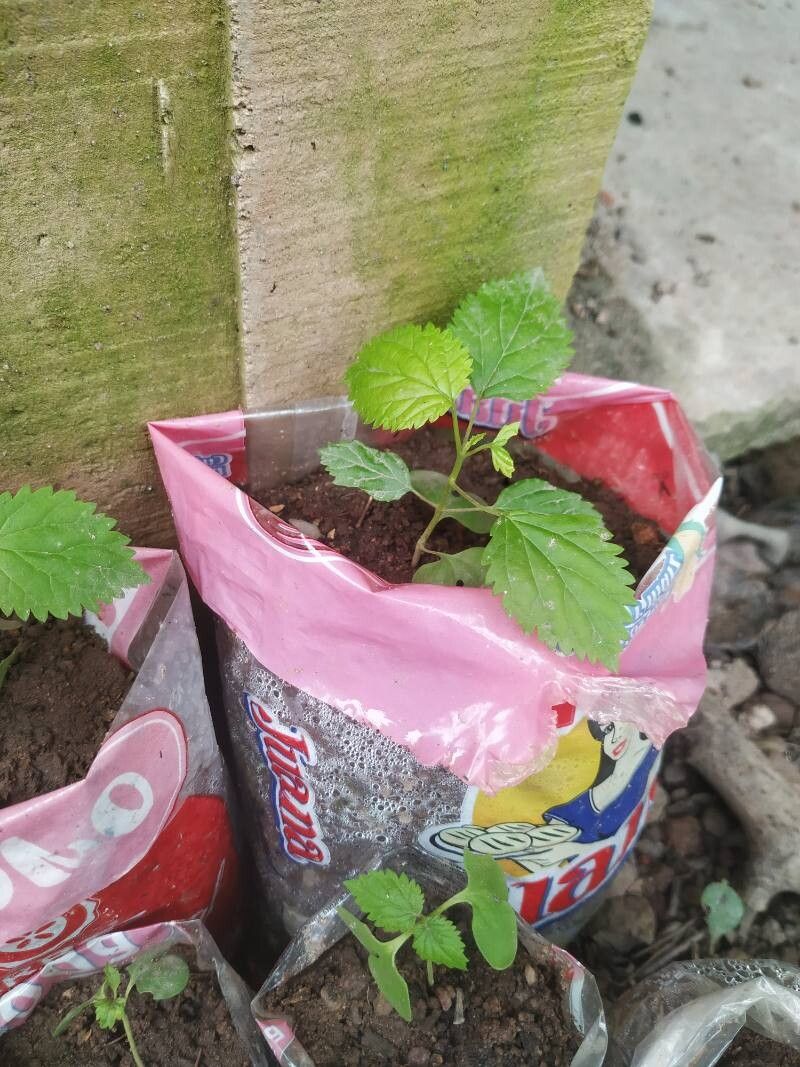
Hey there, fellow plant lovers! Today, we’re diving into something truly special: propagating Handroanthus cristatus, more commonly known as the Ipê tree. If you’ve ever seen these magnificent trees explode in a riot of yellow, pink, or purple blooms, you know their appeal. They are absolute showstoppers! And the idea of bringing that beauty into your own garden, piece by piece? Well, that’s just pure gardening joy, if you ask me. Now, for the honest truth: propagating Ipê isn’t exactly a walk in the park for a complete beginner. It requires a bit of patience and attention to detail, but with these steps, you’ll be well on your way.
When to Get Your Hands Dirty
The best time to try your hand at propagating Handroanthus cristatus is generally during the active growing season. Think late spring through early summer. This is when the plant has plenty of energy to put into developing new roots. If you’re taking stem cuttings, look for semi-hardwood stems – they should be firm but still a little flexible, not completely woody yet.
Your Gardener’s Toolkit
Here’s what you’ll want to have ready before you begin:
- Sharp Pruning Shears or a Knife: For clean cuts, which are crucial for successful propagation.
- Potting Mix: A well-draining mix is essential. I like to use a blend of perlite, peat moss, and a bit of coarse sand. You can also find commercial seedling mixes.
- Small Pots or Trays: Clean containers are a must to prevent disease.
- Rooting Hormone: This is your secret weapon for encouraging root development. Look for one specifically for cuttings.
- Clear Plastic Bag or Humidity Dome: To keep the humidity high around your cuttings.
- Optional: Heat Mat: This can significantly boost success rates, especially if your home is on the cooler side.
Growing New Life: Propagation Methods
The most reliable way to propagate Handroanthus cristatus is through stem cuttings. Division isn’t really practical for these trees, and while water propagation can work, it often leads to weaker roots that struggle to transition to soil. So, let’s focus on cuttings.
- Take Your Cuttings: On a healthy, actively growing branch, select a stem that’s about 6 to 8 inches long. Make a clean cut just below a leaf node. This is where a lot of those magic root-forming hormones are concentrated. Remove the lower leaves, leaving just a couple at the very top.
- Dip in Rooting Hormone: Moisten the cut end of your stem, then dip it generously into your rooting hormone powder or gel. Tap off any excess.
- Plant Your Cuttings: Fill your clean pots with your prepared potting mix. Make a pilot hole with your finger or a pencil. Gently insert the cutting into the hole, ensuring the rooting hormone-coated end is well within the soil and that at least one leaf node is buried. Firm the soil gently around the stem.
- Create a Humid Environment: Water the soil lightly. Then, cover the pot with a clear plastic bag, securing it with a rubber band, or place it under a humidity dome. This keeps the moisture in, preventing the cuttings from drying out while they try to root.
- Provide the Right Conditions: Place your pots in a warm spot with bright, indirect light. If you have a heat mat, place the pots on top of it. This gentle bottom warmth encourages root development.
My “Secret Sauce” Tips
After years of tinkering, I’ve learned a few things that often make the difference:
- Don’t Overcrowd: Give each cutting its own space. This helps with airflow and reduces the risk of fungal issues spreading.
- Bottom Heat is Gold: Seriously, if you can swing it, a heat mat makes a huge difference for hardwood cuttings like these. It mimics the warmer soil they’d find naturally, encouraging those roots to push out.
- Mist Lightly, Don’t Drench: You want that humid microclimate, but you don’t want the soil to become waterlogged. A light misting every few days, or when the soil surface starts to dry, is usually enough.
Nurturing Your New Saplings
Once your cuttings have been in their warm, humid environment for a few weeks (sometimes longer!), you can start to check for roots. Gently tug on a cutting – if you feel resistance, you’ve got roots! You can also look for new leaf growth, which is a good sign.
When roots are established (you can see them peeking out of the drainage holes or feel a good tug), it’s time to start the hardening-off process. Gradually expose your new plants to more natural conditions, taking the plastic bag off for longer periods each day. Water them as you would any young plant, making sure the soil dries slightly between waterings.
The biggest enemy here is rot. If your cuttings turn black and mushy, or if the leaves start to yellow and wilt, it’s often a sign of too much moisture and not enough airflow, or a fungal issue. Sometimes, you can salvage them by cutting away the affected parts and improving drainage and airflow, but other times, nature just has its way. Don’t get discouraged; it happens to all of us!
Propagating Handroanthus cristatus is a journey. It’s about patience, observation, and a little bit of faith. There will be successes and maybe a few failures along the way, but each attempt teaches you something new. So, grab your tools, gather your cuttings, and enjoy the magical process of coaxing new life from your beloved Ipê. Happy propagating!
Resource: