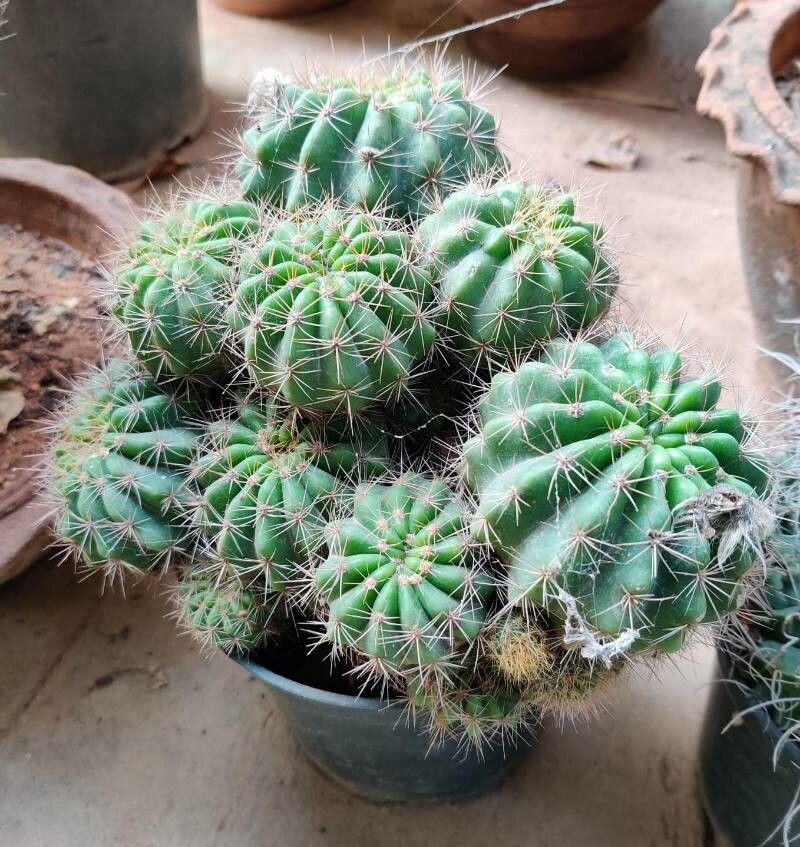
Oh, my dear gardening friends! Today, we’re diving into the wonderful world of propagating Echinopsis calochlora. If you’ve ever admired these beauties with their vibrant blooms and intriguing shapes, you’re in for a treat. Getting more of these stunning cacti to grow is surprisingly achievable, and the joy of watching a new little plant sprout from a piece of an old one? Pure magic. Don’t worry if you’re new to this; Echinopsis calochlora is generally quite forgiving, making it a fantastic plant for beginners looking to expand their collection.
The Best Time to Start
When it comes to giving your Echinopsis calochlora cuttings the best chance, spring and early summer are your golden ticket. This is when the plant is actively growing, meaning it’s primed to heal those cuts and push out roots with gusto. Wait until the temperatures are consistently warm, but before the intense, scorching heat of mid-summer sets in.
Supplies You’ll Need
Before we get our hands dirty, let’s gather our tools:
- A very sharp, clean knife or pruning shears: For making clean cuts.
- Rooting hormone (optional, but recommended): Helps encourage root development.
- Well-draining potting mix: A cactus or succulent mix is ideal. You can also make your own by mixing equal parts potting soil with perlite or coarse sand.
- Small pots or trays: For your new cuttings. Make sure they have drainage holes!
- Gloves: Cacti can be prickly!
- A watering can with a fine spout or a spray bottle: For gentle watering.
Propagation Methods: Let’s Get Growing!
The most straightforward way to propagate Echinopsis calochlora is through stem cuttings. This cactus readily produces offsets, making this method a breeze.
-
Take the Cutting: Choose a healthy, mature stem or offset. Using your clean knife or shears, make a clean cut close to the main body of the parent plant. You want a piece that is at least a few inches long.
-
Let it Dry (Crucial Step!): This is perhaps the most critical step to prevent rot. Place your cutting in a warm, dry, and airy spot away from direct sunlight for several days to a week, or even longer. You’ll see a callous form at the cut end. This protective layer prevents disease and moisture loss. Don’t rush this part! A well-calloused cutting is a happy cutting.
-
Potting Up: Once you see a good callous, it’s time to plant. You can gently dip the calloused end into rooting hormone, if you’re using it. Then, insert the cutting about an inch or two deep into your well-draining potting mix. You can prop it up with small stones if needed to keep it stable.
-
Patience is Key: Now, resist the urge to water immediately. Wait for at least another week before watering lightly. You want the soil to be barely moist. Overwatering at this stage is the fastest way to invite rot.
The “Secret Sauce” (Pro Tips)
Here are a couple of my best tips for truly successful propagation:
- Bottom Heat is Your Friend: While not strictly necessary, placing your newly potted cuttings on a heat mat designed for seedlings can significantly speed up root formation. It mimics the warmth of spring soil and gives those little root cells a much-needed boost.
- Don’t Crowd Your Cuttings: Even when planting multiple cuttings in the same pot, give them a bit of space. This improves air circulation, which is a great defense against fungal issues and rot. Airflow is just as important as drainage!
Aftercare & Troubleshooting
Once your cuttings have been in their pots for a few weeks, give them a gentle tug. If you feel resistance, congratulations! You’ve got roots. Now you can start watering a little more regularly, allowing the soil to dry out between waterings. Keep them in bright, indirect light.
The most common sign of trouble is rot. If you notice your cutting becoming mushy, discolored (especially brown or black at the base), or smelling unpleasant, it’s likely rotting. If this happens, sadly, it’s usually best to discard the rotten part. If you catch it early, you might be able to salvage a healthy section, allow it to callus again, and try once more.
And there you have it! Propagating Echinopsis calochlora is a rewarding journey that’s well within your reach. Be patient with the process; sometimes it takes a little while for those roots to appear. But trust me, the satisfaction of growing your own beautiful cacti is absolutely worth it. Happy propagating!
Resource:
https://identify.plantnet.org/k-world-flora/species/Echinopsis%20calochlora%20K.Schum./data