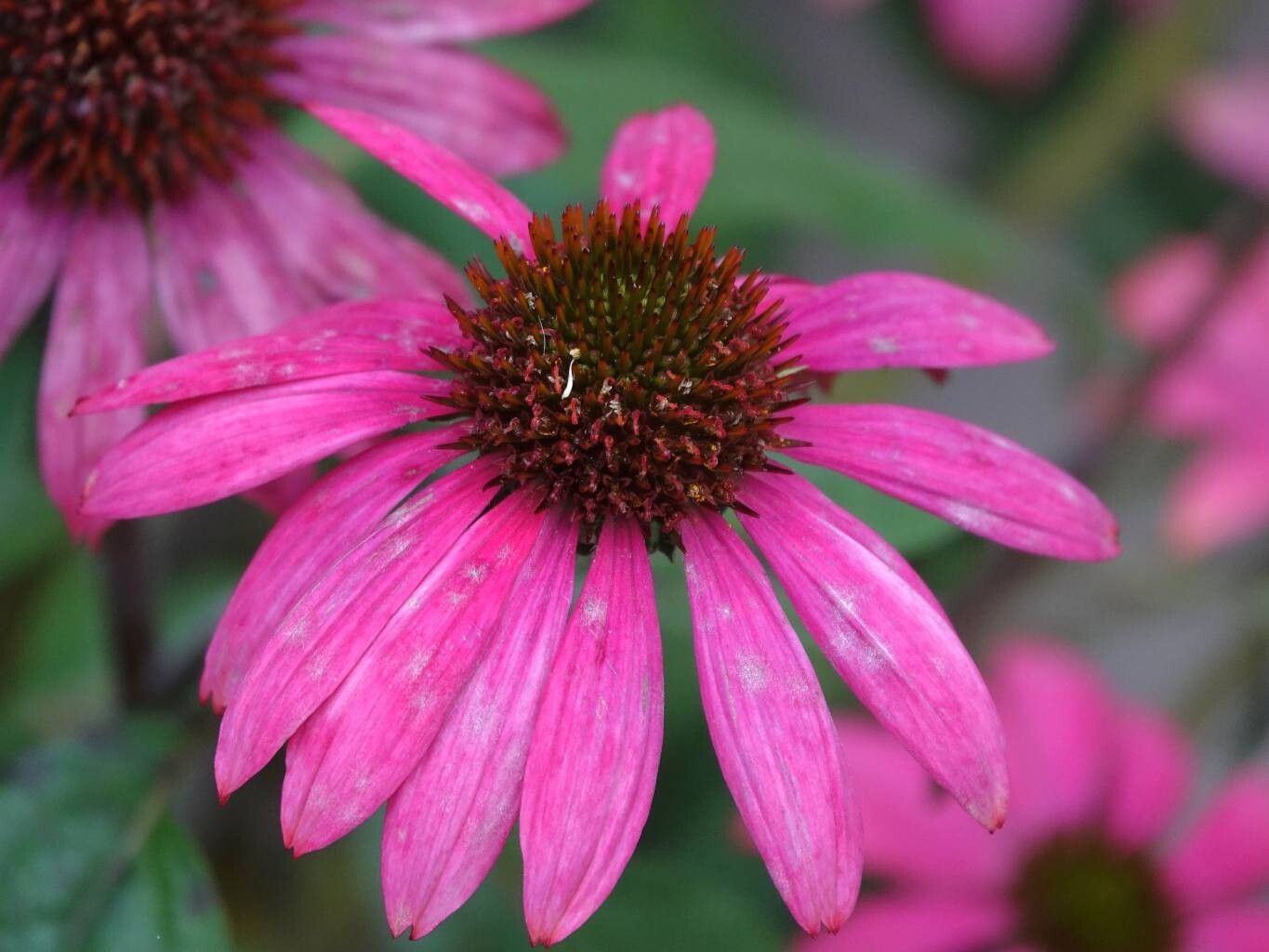
Oh, Echinacea! Also known as coneflowers, these beauties are such a joy in the garden. With their daisy-like petals and lovely cone centers, they attract all sorts of pollinators and bring vibrant color that lasts for months. There’s something incredibly satisfying about creating more of something you love, isn’t there? And guess what? Propagating Echinacea is actually a pretty beginner-friendly endeavor. You’ll be sharing these cheerful blooms with friends in no time!
When to Get Your Hands Dirty
The sweet spot for propagating Echinacea is really when the plant is actively growing. For most of us, that means late spring or early summer. You want to catch them after they’ve put on some good growth, but before the intense heat of midsummer really kicks in. This gives your new babies a good chance to establish themselves before fall.
What You’ll Need to Get Started
Here’s a little shopping list to gather before you dive in:
- Sharp pruning shears or a clean, sharp knife
- Small pots or seed trays
- A good quality seed-starting mix or a blend of perlite and peat moss
- Rooting hormone (optional, but can give you a helpful boost)
- A spray bottle for misting
- Watering can
- Labels or markers (so you remember what you planted!)
- A trowel or small shovel (for division)
- A warm, bright spot (and maybe a heat mat if you’re feeling fancy!)
Let’s Grow Some Echinacea!
Echinacea can be propagated a couple of ways, and I find division to be the easiest and most reliable, especially for established plants.
Method 1: Dividing Your Established Plants
This is my go-to for increasing my Echinacea supply. It’s best done in spring or fall.
- Dig It Up: Gently dig around the base of your mature Echinacea plant. You want to loosen the soil and then carefully lift the entire plant out of the ground. If it’s a really big plant, you might need a sturdy shovel.
- Find the Divisions: Once the plant is out, you’ll see that it’s likely made up of several smaller crowns or rosettes. Look for natural separation points.
- Separate Gently: You can often pull the divisions apart with your hands. If they’re really stuck, use a clean, sharp knife or your trowel to cut through the roots and crowns. Make sure each division has at least one good bud or growth point.
- Pot Them Up: Fill your small pots with your seed-starting mix. Dig a little hole in the center and plant your division, firming the soil gently around the base. The crown should be right at soil level, not buried too deep.
- Water and Wait: Water them in well and place them in a bright spot. Keep the soil consistently moist but not waterlogged.
Method 2: Taking Stem Cuttings (A Bit More Advanced)
This method is great if you want to propagate a specific variety or have a plant that’s just bursting with stems.
- Find the Right Stem: Look for a healthy, non-flowering stem that’s about 4-6 inches long. Softwood cuttings are best.
- Make the Cut: Using your clean pruning shears or knife, make a clean cut just below a leaf node (where a leaf attaches to the stem). Remove the lower leaves, leaving just a couple at the top.
- Dip in Hormone (Optional): If you’re using rooting hormone, dip the cut end of the stem into the powder, tapping off any excess.
- Plant Your Cuttings: Stick the prepared cuttings into pots filled with your moist seed-starting mix. Make sure the leaf nodes are buried, as roots will form there.
- Create a Humid Environment: This is key! Cover the pots with a clear plastic bag or a propagator lid to create a mini-greenhouse effect. This keeps the humidity high, which cuttings need to prevent drying out. Ensure the leaves aren’t touching the plastic.
- Provide Warmth and Light: Place the pots in a bright, indirect light location. For best results, use bottom heat. A heat mat placed underneath the pots can significantly speed up the rooting process.
The “Secret Sauce” Tips from My Garden
I’ve learned a few things over the years that really make a difference.
- For Stem Cuttings: Keep ‘Em Clean! Make sure your pots and tools are sparkling clean. This helps prevent nasty fungal diseases that can kill your delicate cuttings.
- For Division: Don’t Be Afraid to Trim! If your divisions have a ton of leafy growth, you can trim some of it back. This reduces the amount of water it needs to transpire, making it easier for the roots to establish.
- Bottom Heat is Your Friend: I can’t stress this enough for stem cuttings! That gentle warmth from below encourages roots to form much more readily than just ambient room temperature.
Nurturing Your New Sprouts & What to Watch For
Once your divided plants or cuttings have established roots – you’ll usually see new growth appearing or feel a gentle tug when you very carefully try to pull them – it’s time for a little more TLC.
- Gradually Acclimate: If you’ve had cuttings covered with plastic, start to remove the cover for increasingly longer periods each day to let them get used to normal humidity before transplanting them into their own pots.
- Transplanting: Once your divisions or rooted cuttings have a good root system and are showing good new growth, it’s time to pot them up into slightly larger containers or, if your season allows, into the garden.
- Water Wisely: Keep the soil consistently moist, but avoid soggy conditions. Overwatering is a common culprit for rot.
- Signs of Trouble: The most common problem is rot, which shows up as mushy, brown stems or leaves. This usually means too much water and not enough air circulation. If you see this, try to let the soil dry out a bit more and ensure good air flow. Leggy, pale growth can indicate not enough light.
Keep Growing!
Propagating Echinacea is a wonderfully rewarding experience. It’s about patience, a bit of tinkering, and celebrating those tiny signs of life. Don’t get discouraged if not every single one makes it – it happens to the best of us! Just enjoy the process of nurturing these beautiful plants and the joy they bring to your garden. Happy gardening!
Resource:
https://identify.plantnet.org/k-world-flora/species/Echinacea%20purpurea%20(L.)%20Moench/data