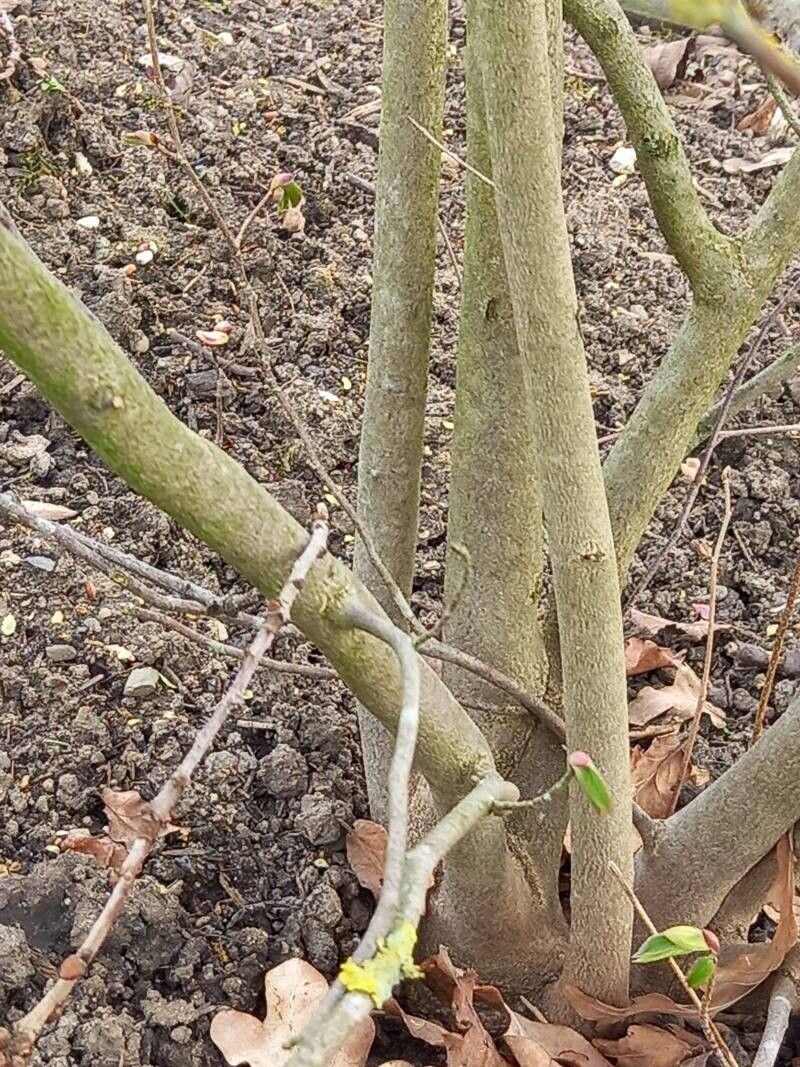
Oh, hello there from my (slightly chaotic, but well-loved) garden! Today, I want to chat about a plant that’s a real gem, especially as spring starts to whisper its arrival: Corylopsis glabrescens, or Winter Hazel. If you haven’t met her, imagine delicate, fragrant yellow bells cascading down arching branches just when the winter doldrums are starting to feel like they’ll never end. It’s a truly magical plant, and getting more of them to grow is incredibly rewarding. Now, I won’t beat around the bush – propagating Corylopsis can be a little finicky, but with a bit of patience and the right approach, it’s absolutely achievable. Don’t let that deter you; the success is all the sweeter for it!
The Best Time to Start Your Winter Hazel Adventure
For me, the sweet spot for taking cuttings of Corylopsis glabrescens is the late spring to early summer. This is when the new growth is still a bit soft and flexible, but it’s had a chance to mature a little after the initial burst of spring growth. Think of it as taking a piece of “current season’s semi-hardwood.” Waiting too long means the wood will be too mature and tough, making it harder to root.
Supplies You’ll Need
Here’s what I always have on hand when I’m ready to get propagating:
- Sharp Pruning Shears or a Knife: Clean cuts are vital to prevent disease and encourage rooting.
- Rooting Hormone: A powder or gel makes a big difference in encouraging root development.
- Sterile Potting Mix: I prefer a light, airy mix – something like a 50/50 blend of peat moss or coco coir and perlite or coarse sand. This ensures excellent drainage.
- Small Pots or Trays: Clean pots are essential! I usually use 4-inch pots.
- Plastic Bags or a Propagation Dome: To keep humidity high.
- Gloves (optional, but recommended): To keep your hands clean and protect them from any sap.
- Labels: So you don’t forget what you planted where!
Propagation Methods: Let’s Get Growing!
I find that stem cuttings are the most reliable method for Corylopsis glabrescens. Division can work, but it’s much more disruptive to the parent plant.
Stem Cuttings: The Main Event
- Take Your Cuttings: On a cool, overcast morning is best. Look for stems that are about 15-20 cm (6-8 inches) long and pencil-thick. They should be flexible but not floppy.
- Prepare the Cuttings: Use your sharp shears to make a clean cut just below a leaf node (where a leaf attaches to the stem). Remove the lower leaves, leaving just 2-3 at the top. If your cuttings are long, you can even take multiple cuttings from one stem, as long as each has at least one or two leaf nodes.
- Apply Rooting Hormone: Dip the cut end of each stem into your rooting hormone, tapping off any excess. This is a crucial step for encouraging those new roots to form.
- Plant Your Cuttings: Fill your clean pots with your prepared potting mix. Make a hole with your finger or a pencil, and gently insert the cutting, ensuring the nodes where you removed the leaves are buried. Firm the soil gently around the stem.
- Water Gently: Water the pots thoroughly but avoid waterlogging. You want the soil to be evenly moist, not soggy.
- Create a Humid Environment: This is where the magic happens! Cover each pot with a clear plastic bag (making sure the leaves don’t touch the plastic) or place them under a propagation dome. This creates a mini-greenhouse effect, keeping the humidity high, which cuttings absolutely adore. Place them in a bright, indirect light location.
The “Secret Sauce”: My Insider Tips
- Bottom Heat is Your Friend: If you have a propagation mat or can place your pots on top of a warm, sunny windowsill (but not too hot), bottom heat can significantly speed up root formation. It mimics the warmth of summer soil and gives those roots a real boost.
- Don’t Be Afraid to Sterilize Everything: I know it sounds tedious, but cleaning your tools, pots, and even your workspace makes a world of difference in preventing fungal diseases, which are the bane of any propagation attempt. A quick wipe with rubbing alcohol works wonders.
- The “Wiggle Test”: Once you think your cuttings have rooted (give it at least 4-6 weeks, sometimes longer), gently tug on a cutting. If you feel a bit of resistance, that’s a good sign roots are forming. You might also see new leaf growth.
Aftercare & Troubleshooting: Nurturing Your New Sprouts
Once your cuttings have developed a good root system and you see new growth, it’s time for a little more attention.
- Acclimating: Gradually remove the plastic bag over a week or two to help them adjust to normal humidity levels.
- Potting Up: When the roots are well-established and filling the pot, you can gently transplant them into slightly larger pots with your regular potting mix.
- Watering: Keep the soil consistently moist but not waterlogged. As they grow, you can start watering them like any other young shrub.
Now, what if things don’t go as planned? The most common culprit is rot. If your cuttings turn dark, mushy, and fall apart, it’s usually due to too much moisture and not enough air circulation. This is why that airy soil mix and careful watering are so important. If you see mold on the soil surface, try gently scraping it off and increasing air circulation slightly if possible.
A Final Encouraging Word
Propagating plants is a journey, and every gardener, no matter how experienced, has their share of successes and learning experiences. Don’t get discouraged if your first attempt isn’t a roaring success. Observe, learn, and try again. The thrill of watching a tiny cutting develop into a beautiful plant is truly unparalleled. So, grab your shears, get your hands dirty, and enjoy the process of bringing more of that delightful Winter Hazel glow into your garden. Happy propagating!
Resource: