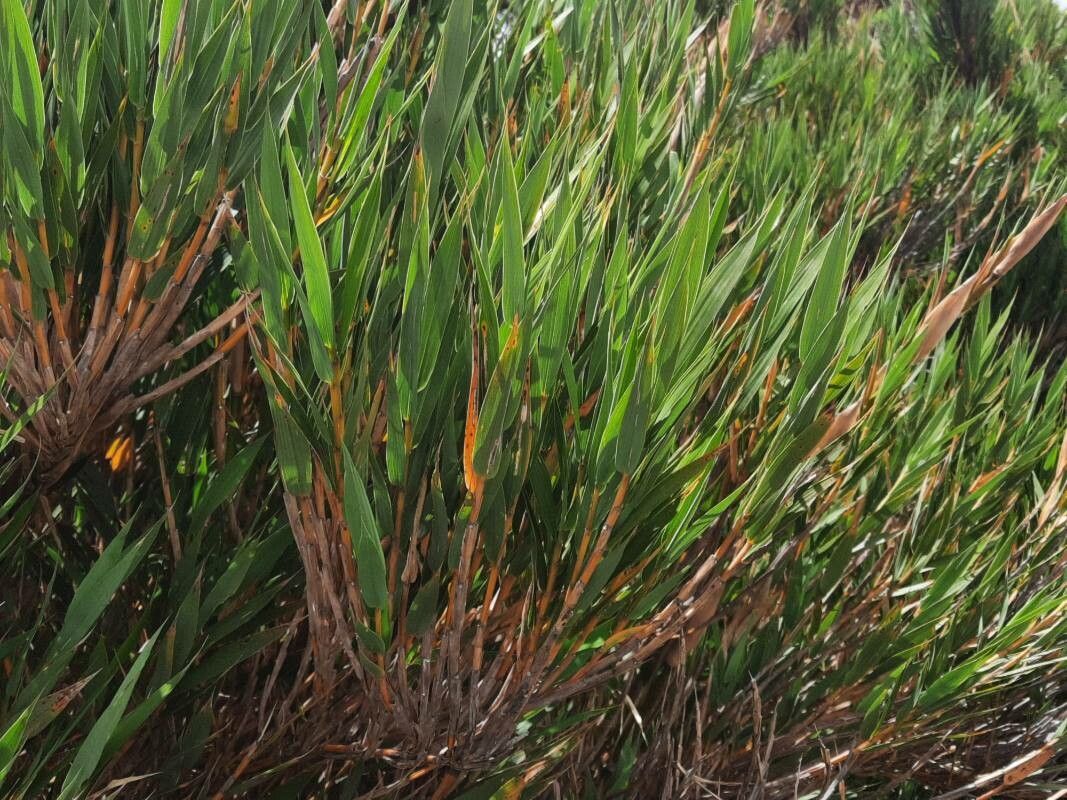
Hey fellow plant lovers! Today, we’re diving into the wonderful world of propagating Chusquea subtessellata, also known as the charming Chilean Blue Bamboo. If you’re captivated by its unique silvery-blue culms and graceful habit, you’re in for a treat. Growing our own bamboo from cuttings or divisions is incredibly satisfying, a true testament to the life force of plants. Now, is it a walk in the park for absolute beginners? Let’s just say it requires a little patience and attentiveness, but with these tips, you’ll be well on your way.
The Best Time to Start
For Chusquea subtessellata, I’ve found the sweet spot for propagation is late spring through early summer. This is when the plant is actively growing and has plenty of energy to put into rooting. You want to work with healthy, new shoots that are firm but not woody. Think of it as catching the plant at its most robust and vigorous.
Supplies You’ll Need
Here’s what I always have on hand when I’m ready to get propagating:
- Sharp Pruning Shears or a Knife: Clean cuts are essential for healthy healing and rooting.
- Well-Draining Potting Mix: I like a blend of peat moss, perlite, and sand in roughly equal parts. For divisions, you can use a good quality, heavier potting soil.
- Rooting Hormone (Optional but Recommended): A powder or gel can significantly boost your success rate, especially for stem cuttings.
- Plastic Bags or a Propagator: To create a humid environment for your cuttings.
- Small Pots or Trays: For your new baby bamboos.
- Labels and a Marker: So you don’t forget what you planted where!
- Watering Can or Spray Bottle: For gentle watering.
Propagation Methods
Chusquea subtessellata is best propagated by division or stem cuttings.
Division: The “Chop and Drop” Method
This is my personal favorite for bamboo, as it often yields quicker results and is quite straightforward.
- Excavate with Care: In the late spring or early summer, carefully dig around the base of your mature Chusquea subtessellata. You want to loosen the root ball without causing excessive damage. An established clump is your target here.
- Identify Natural Sections: Look for distinct divisions within the clump. You’re essentially trying to find sections that have their own roots and shoots.
- Make the Cut: Using a sharp spade or a sturdy trowel, divide the root ball into smaller sections. Aim for each section to have at least 2-3 healthy culms (the bamboo “stems”) and a good amount of root. If the roots are very dense and intertwined, you might need to use a sharp, clean knife or even a small saw for those tougher ones.
- Replant Immediately: Plant your divisions into prepared pots or directly into their new garden spots. Make sure the soil is moist but not waterlogged. Water them in well.
Stem Cuttings: For the Patient Gardener
This method takes a bit more time but can lead to a whole new clump from a single parent plant.
- Select Your Cuttings: Look for new, semi-hardwood shoots that are about 8-12 inches long. These should feel firm but still have some flexibility. Avoid those that are too soft and green.
- Take the Cuttings: Using your clean pruners, make a cut just below a node (the joint where a leaf attaches to the stem). Nodes are where new roots will emerge.
- Prepare the Cuttings: Remove the lower leaves, leaving just a couple at the top. If you’re using rooting hormone, follow the product’s instructions – usually dipping the cut end into the hormone powder.
- Plant the Cuttings: Insert the bottom third of each cutting into your prepared, well-draining potting mix. You can plant several cuttings in one pot, ensuring they don’t touch each other.
- Create Humidity: Water the soil gently, and then cover the pot with a clear plastic bag or place it in a propagator. This keeps the humidity high, which is crucial for cuttings as they can’t draw up water through roots yet.
The “Secret Sauce” (Pro Tips)
Here are a couple of things I’ve learned over the years that make a real difference:
- Don’t Overcrowd: When planting stem cuttings, give them a little breathing room. If they’re too close, they compete for resources and can spread diseases. About 2-3 inches apart is usually good.
- Bottom Heat for Cuttings: If you’re serious about stem cuttings, popping them on a heat mat makes a huge difference. Bamboo roots love warmth, and this encourages faster, stronger root development. You can find these at most garden centers or online.
Aftercare & Troubleshooting
Once your propagated Chusquea subtessellata is settled, keep it in a bright, indirect light location. For divisions, water them regularly – the soil should stay consistently moist but not soggy. For stem cuttings, the key is to maintain high humidity until you see new leaf growth, a sure sign that roots have formed. You can gently tug on a cutting; if there’s resistance, you’ve got roots!
The most common issue you might encounter is rot. This usually happens due to overwatering or poor drainage. If you notice your cuttings turning mushy or developing black spots, it’s a sign to back off the water and ensure good air circulation. If a division looks weak, make sure it’s getting enough consistent moisture, but still, drain well. Patience is key here.
A Little Patience Goes a Long Way
Propagating Chusquea subtessellata is a journey, not a race. Whether you’re dividing a mature clump or nurturing delicate cuttings, take joy in the process. Observe your new plants, learn from them, and before you know it, you’ll be enjoying your very own stand of Chilean Blue Bamboo. Happy propagating!
Resource:
https://identify.plantnet.org/k-world-flora/species/Chusquea%20subtessellata%20Hitchc./data