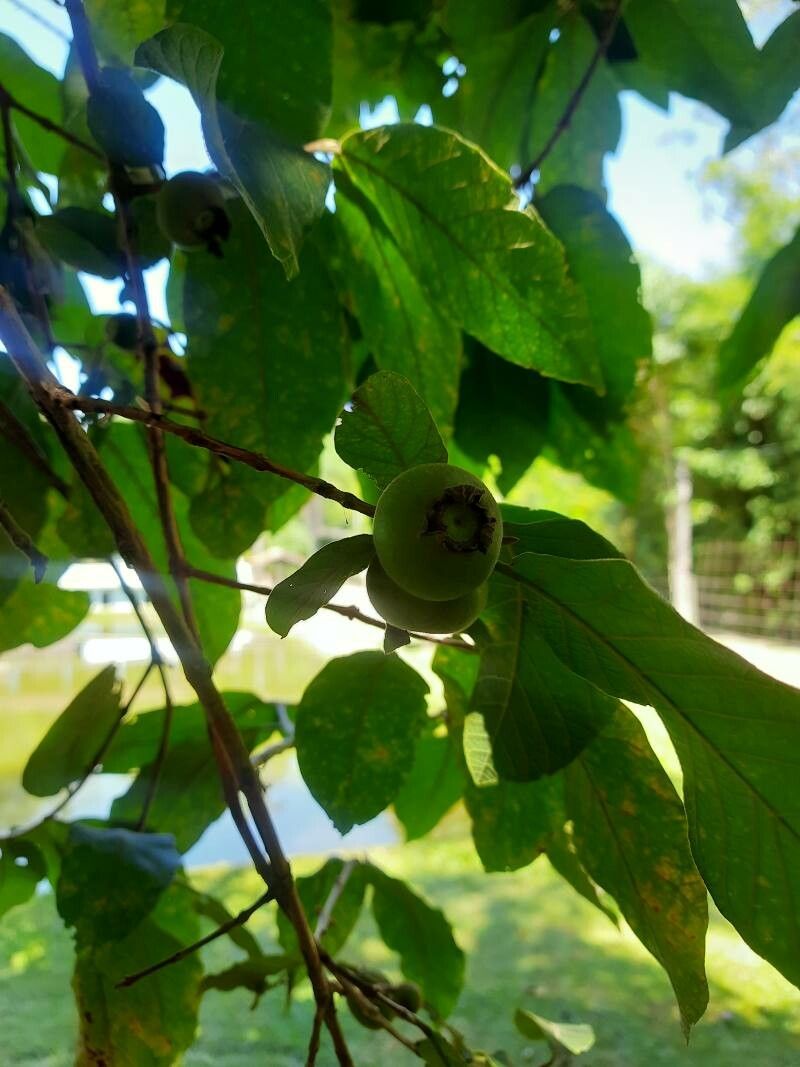
Hey there, fellow plant lovers! Today, we’re diving into the wonderful world of Campomanesia reitziana, affectionately known by some as the “Guava Strawberry” or a lovely native Brazilian guava. If you’re drawn to its beautiful foliage and the promise of a delightful (though perhaps tart!) fruit, then propagating your own is a truly rewarding journey. Getting new plants from existing ones is such a satisfying feeling, and I’m here to guide you through it.
Now, about Campomanesia reitziana for beginners: it’s not the most effortless plant to propagate, but it’s definitely achievable with a little patience and the right approach. Think of it as a rewarding challenge, not an impossible hurdle. You’ll learn a lot, and the success you do have will feel all the sweeter for it.
The Best Time to Start
For the highest success rate with Campomanesia reitziana, aim for late spring or early summer. This is when the plant is in its most vigorous growth phase. You’ll want to take cuttings from semi-hardwood stems. These are stems that were active last year, have started to lignify (become woody) but still have some flexibility. Avoid very soft, new growth or wood that’s already completely hardened off.
Supplies You’ll Need
Gathering your tools beforehand is always a good idea. It prevents you from scrambling mid-process!
- Sharp pruning shears or a clean, sharp knife: For making clean cuts.
- Rooting hormone: I like powdered formulations for cuttings, but liquid works too.
- Well-draining potting mix: A 50/50 blend of perlite and peat moss or coco coir is usually perfect. You can also buy specialized seed starting or cutting mixes.
- Small pots or propagation trays: Clean, with drainage holes!
- Plastic bags or a propagator lid: To maintain humidity.
- Spray bottle: For misting.
- Optional: Bottom heat mat: This can significantly speed up root development, but isn’t strictly necessary.
Propagation Methods
While you can try from seeds, propagating from stem cuttings is generally the most reliable and quickest way to get a true-to-type plant from Campomanesia reitziana.
1. Taking Stem Cuttings:
- Select your parent plant: Find a healthy, vigorous Campomanesia reitziana that’s showing good growth.
- Identify your stems: Look for those semi-hardwood stems I mentioned earlier. They should bend slightly without snapping easily.
- Make your cut: Using your clean shears or knife, take cuttings that are about 4-6 inches long. Make the cut just below a leaf node (where a leaf attaches to the stem).
- Prepare the cuttings: Gently remove the lower leaves, leaving just one or two at the very top to help with photosynthesis. If the remaining leaves are very large, you can cut them in half to reduce water loss.
- Apply rooting hormone: Dip the bottom inch or so of the cutting into rooting hormone, tapping off any excess.
- Plant your cuttings: Fill your small pots or trays with your prepared potting mix. Make a hole with a pencil or your finger, and then gently insert the cutting, ensuring the rooting hormone stays on the buried part. Firm the soil gently around the stem.
- Water gently: Water thoroughly but avoid waterlogging the soil.
2. Water Propagation (Use with Caution for this plant):
While I generally prefer soil for woody plants like this, you can try water. This is less successful for woody stems, but worth a shot if you’re feeling experimental.
- Follow the same steps for selecting and preparing cuttings as above, but skip the rooting hormone.
- Place the cuttings in a clean jar or vase filled with room-temperature water.
- Crucially, ensure no leaves are touching the water. Submerged leaves will rot quickly and can take the whole cutting down with them.
- Change the water every 2-3 days to keep it fresh and oxygenated.
- Once you see small white roots forming (this can take several weeks), you can then attempt to pot them into your soil mix. Be very gentle with these delicate roots.
The “Secret Sauce” (Pro Tips)
Here are a few things I’ve learned over the years that can really boost your success:
- Humidity is king! After planting your cuttings, cover the pots with a clear plastic bag or place them in a propagator. This creates a mini-greenhouse effect, keeping the humidity high, which is crucial for cuttings that haven’t developed roots yet to absorb water. Poke a few small holes in the bag or vent the propagator daily to prevent fungal issues.
- Bottom heat is your friend. If you have a heat mat, place your pots on it. This warmth encourages root development from below, often speeding up the process significantly and increasing the success rate, especially for trickier cuttings.
- Be patient with the leaf touch. If you opt for water propagation, I cannot stress this enough: absolutely no leaves in the water. Rot is the enemy! Trim any leaves that might dip below the water line.
Aftercare & Troubleshooting
Once your cuttings have been planted, the waiting game begins.
- Keep them moist but not soggy. Water when the top inch of soil starts to feel dry. Mist the leaves occasionally if they look a bit stressed, especially if your humidity isn’t perfectly dialed in.
- Look for signs of life. You’ll know your cutting has rooted when you see new leaf growth. Give it a gentle tug – if there’s resistance, roots have formed! This can take anywhere from 4 to 10 weeks, sometimes longer.
- Troubleshooting:
- Wilting cuttings: This usually means they aren’t getting enough water or humidity, or they’ve been in the sun too long. Ensure your humidity is high and place them in bright, indirect light.
- Yellowing lower leaves: This can be normal as the plant focuses energy on root development. However, if the entire cutting turns yellow and mushy, it’s likely rot. This is usually due to too much moisture and poor drainage.
- No root development: This can be due to taking cuttings at the wrong time, using old rooting hormone, or insufficient humidity/warmth. Don’t get discouraged; try again with fresh cuttings!
A Wrap Up
Propagating Campomanesia reitziana is a fantastic way to expand your collection and share these lovely plants with friends. It requires a bit of care and attention, but seeing those first tiny roots emerge is incredibly rewarding. Remember to be patient, gentle, and enjoy the process of nurturing life. Happy gardening!
Resource:
https://identify.plantnet.org/k-world-flora/species/Campomanesia%20reitziana%20D.Legrand/data