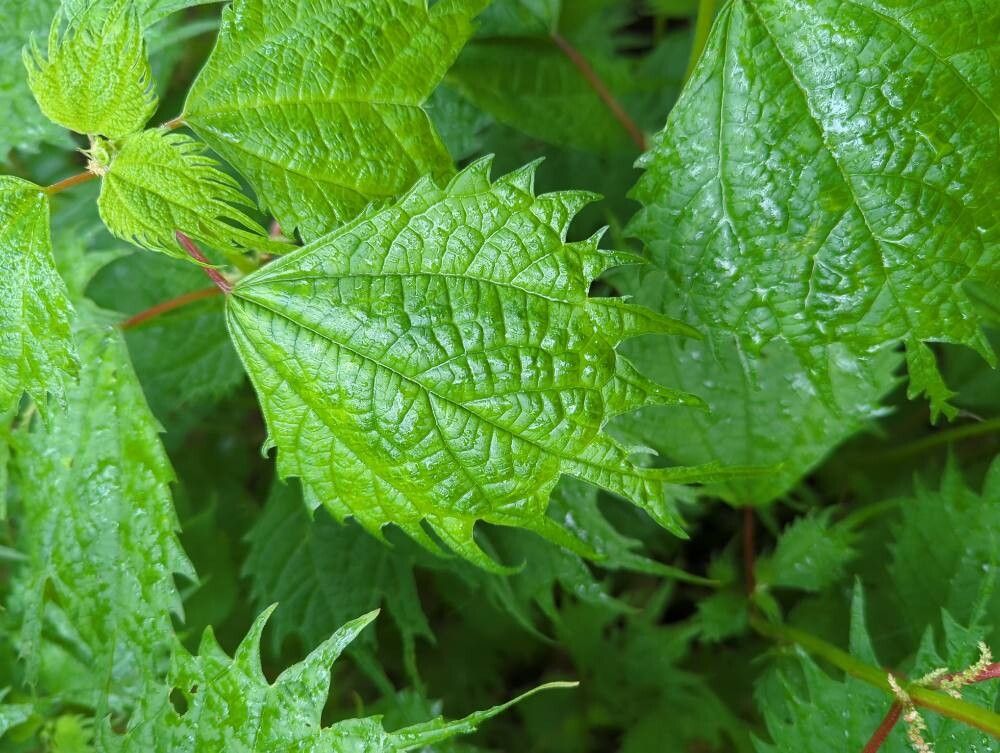
Hello, fellow plant enthusiasts! I’m so excited to chat with you today about a plant that’s really captured my heart: Boehmeria platanifolia, also known as Japanese False Nettle. If you’re looking for a plant that adds a touch of lush, tropical-like foliage without demanding fuss, this is it. Its broad, maple-shaped leaves bring a wonderful architectural element to any garden or indoor space. And the best part? Propagating it is a truly rewarding journey. While it’s not quite a “plant-it-and-forget-it” type for propagation, I find Boehmeria platanifolia to be quite agreeable and a great project for those who’ve dabbled in plant propagation before. It’s a fantastic way to expand your collection or share this beauty with friends.
The Best Time to Start
For the highest success rate with Boehmeria platanifolia, I always aim to propagate in the late spring or early summer. This is when the plant is in its active growth phase. New, healthy stems are abundant, and the warmth of the season provides a lovely boost for root development. Trying to propagate too late in the season can mean your cuttings won’t establish well before cooler weather sets in.
Supplies You’ll Need
Gathering your supplies beforehand makes the whole process so much smoother. Here’s what you’ll want to have on hand:
- Sharp Pruning Shears or a Craft Knife: For clean cuts.
- Rooting Hormone (Optional, but recommended): A powder or gel form works well.
- Well-Draining Potting Mix: A blend of peat moss, perlite, and a bit of compost is perfect. You can also use a specific seed-starting or propagation mix.
- Small Pots or Trays: Clean containers for your cuttings.
- Clear Plastic Bags or a Propagator Lid: To create a humid environment.
- Water: For misting.
- Labels and a Marker: To keep track of what you’ve planted and when.
Propagation Methods
I’ve had lovely success with both stem cuttings and water propagation for Boehmeria platanifolia. Let’s dive into how to do it.
Stem Cuttings
This is my go-to method for multiplying my plants.
- Select Healthy Stems: Look for young, vigorous stems that are not woody. They should be flexible but not floppy.
- Make the Cut: Using your sharp shears or knife, take cuttings that are about 4 to 6 inches long. Make the cut just below a leaf node – that’s the spot where leaves emerge from the stem.
- Prepare the Cuttings: Gently remove any lower leaves, leaving just one or two at the top. This prevents them from rotting in the soil and reduces water loss. If your cuttings are quite large, you can even prune the remaining leaves in half.
- Apply Rooting Hormone (Optional): If you’re using rooting hormone, dip the cut end of the stem into the powder or gel. Tap off any excess.
- Plant Your Cuttings: Fill your small pots or trays with your well-draining potting mix. Make a small hole with your finger or a pencil, and insert the cut end of the stem. Gently firm the soil around it.
- Water Gently: Give your cuttings a light watering to settle the soil.
- Create Humidity: Cover the pots with a clear plastic bag or place them inside a propagator with a lid. This traps moisture and creates that essential humid environment. Make sure the leaves don’t touch the plastic.
Water Propagation
This method is simple and visually satisfying as you watch the roots grow.
- Take Your Cuttings: Follow steps 1 and 2 from the stem cutting method above.
- Remove Lower Leaves: Again, remove all leaves that would sit below the waterline.
- Place in Water: Put the cuttings in a clean jar or vase filled with fresh water. Ensure the leaf nodes (where you removed the leaves) are submerged.
- Change Water Regularly: Change the water every few days, or whenever it starts to look cloudy. This prevents bacterial growth.
- Locate Wisely: Place your jar in a bright spot, but out of direct sunlight, which can scorch leaves and warm the water too much.
The “Secret Sauce” (Pro Tips)
After years of trial and error, here are a few things I’ve learned that really make a difference:
- Bottom Heat is Your Friend: If you’re using stem cuttings in soil, placing the pots on a gentle heating mat can dramatically speed up root formation. It mimics the warmth of the soil in spring and just gives those nascent roots a wonderful push.
- Don’t Be Afraid to “Sacrifice” a Leaf: If you have a particularly large leaf at the top of your cutting, I’ve found great success by trimming it in half. This significantly reduces transpiration (water loss from the leaves) while still allowing for some photosynthesis. It’s like giving your cutting a fighting chance.
- Patience with Water Propagation: While it’s tempting to move water-propagated cuttings to soil the moment you see a tiny root, I often wait until the roots are at least an inch long and have a bit of branching. This gives them a stronger start when they transition to solid media.
Aftercare & Troubleshooting
Once roots have formed (you’ll see them peeking out the bottom of the pot for soil cuttings, or growing in the water), it’s time for a little extra care.
For cuttings in soil, gradually acclimate them to lower humidity over a few days by opening the plastic bag or propagator lid a little more each day. Continue to keep them in bright, indirect light and water when the top inch of soil feels dry.
For water-propagated cuttings, carefully plant them into your well-draining potting mix. Water them in gently and then proceed with the acclimation process as described above.
The main issue to watch out for is rot. If your cuttings turn black and mushy, it’s usually due to too much moisture and not enough air circulation. This is why a well-draining mix and proper humidity management are so crucial. If you see signs of rot, sadly, that cutting is likely lost. Don’t be discouraged; just try again!
A Encouraging Closing
Propagating Boehmeria platanifolia is a beautiful way to connect with the rhythm of nature and multiply the joy your plants bring. Be patient, observe your cuttings, and celebrate each successful root that emerges. You’ll be sharing these lovely plants in no time! Happy propagating!
Resource: