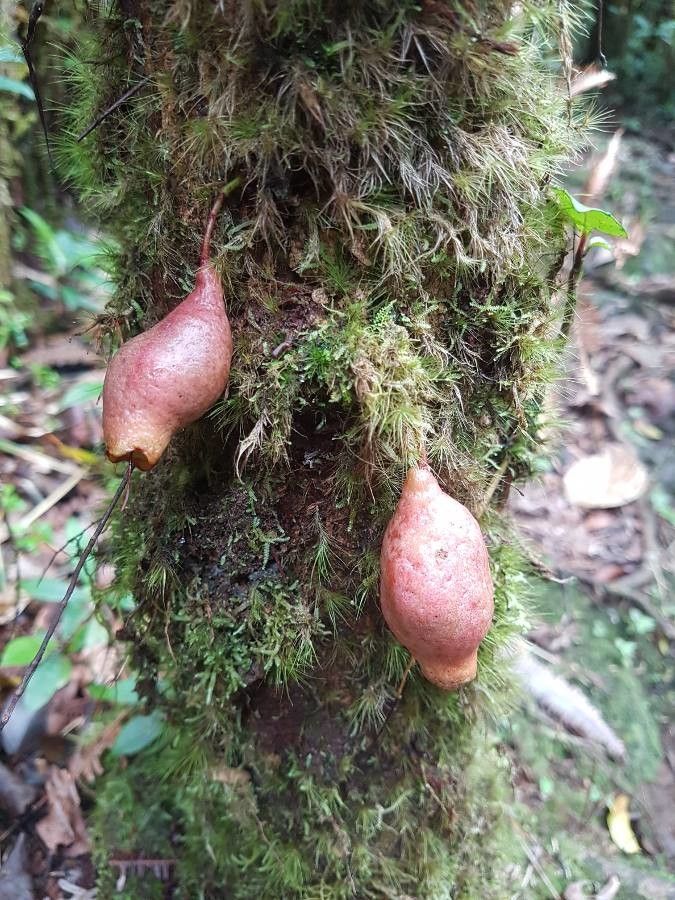
Hey there, fellow garden enthusiasts! Today, we’re diving into the wonderful world of Syzygium cordemoyi, also known as the Lilly Pilly. If you’ve ever admired those glossy, vibrant leaves and delightful little berry-like fruits, you’re not alone! Propagating your own Lilly Pilly is incredibly satisfying. It’s a fantastic way to fill your garden with more of these beauties, share them with friends, or even just save a bit on your plant budget.
Now, for the million-dollar question: is it easy? I’d say Syzygium cordemoyi is moderately easy to propagate. It’s a great plant for those who are just dipping their toes into plant propagation, but a few tricks can really boost your success rate. Let’s get those green thumbs working!
The Best Time to Start
My favorite time to propagate Syzygium cordemoyi is during the late spring and early summer. This is when the plant is actively growing and has plenty of fresh, new shoots that are perfect for taking cuttings. You’re essentially catching the plant at its most vigorous, which means those cuttings have a better chance of rooting quickly. Avoid taking cuttings from woody, old growth if you can help it; tender, semi-hardwood is the sweet spot.
Supplies You’ll Need
Gathering your supplies beforehand makes the whole process smoother. Here’s what I usually have on hand:
- Sharp Pruning Shears or a Craft Knife: Clean cuts are crucial for preventing disease.
- Rooting Hormone (Optional but Recommended): This gives your cuttings a helpful boost. Look for a gel or powder formulation.
- Well-Draining Potting Mix: A good blend of perlite and peat moss, or a specialized seedling mix, works wonders. Avoid heavy garden soil.
- Small Pots or Seedling Trays: Clean pots are a must!
- Watering Can with a fine rose: Gentle watering is key.
- Clear Plastic Bag or Propagator Lid: To create a humid environment.
- Labels: So you don’t forget what you planted!
Propagation Methods
The most reliable way I’ve found to propagate Syzygium cordemoyi is through stem cuttings. It’s straightforward and generally gives excellent results.
- Select Your Cuttings: Look for healthy, non-flowering shoots that are about 10-15 cm (4-6 inches) long. You want cuttings that are flexible but not super soft and floppy. The best ones usually have leaves that are a nice, bright green.
- Prepare the Cuttings: Carefully remove the lower leaves from your cuttings. You only want to leave a few leaves at the very top. This reduces water loss and prevents leaves from rotting in the soil. If the remaining leaves are very large, you can carefully cut them in half horizontally. This still allows them to photosynthesize but reduces the surface area for evaporation.
- Apply Rooting Hormone: Dip the cut end of the stem into your rooting hormone, tapping off any excess.
- Plant the Cuttings: Make a hole in your potting mix with a pencil or dowel. Insert the cutting into the hole, ensuring the nodes (where the leaves were removed) are below the soil surface, as this is where roots will emerge. Firm the soil gently around the base.
- Water Gently: Water the cuttings thoroughly but gently, allowing excess water to drain away.
- Create Humidity: Cover the pots with a clear plastic bag, or place them inside a propagator with a lid. Ensure the leaves don’t touch the sides of the bag as this can encourage rot. You can prop up the bag with small stakes if needed.
- Find the Right Spot: Place your pots in a bright location that receives indirect sunlight. Avoid direct sun, which can scorch the tender cuttings.
The “Secret Sauce” (Pro Tips)
Now for a couple of things I’ve learned over the years that really make a difference:
- Bottom Heat is Your Friend: If you have space, popping your cuttings on a heated propagator mat can dramatically speed up root development. The warmth encourages the plant to put its energy into root growth.
- Mist Regularly (But Don’t Drench): Even with a plastic bag, giving the leaves a light mist of water every day or two helps keep them turgid and happy, especially in the initial stages. Just enough to keep them glistening, not sitting in water.
Aftercare & Troubleshooting
Once your cuttings have started to show signs of rooting – you might see new tiny leaves emerging or feel a gentle tug when you lightly pull on a cutting – it’s time to start weaning them off their humid environment. Gradually remove the plastic bag or propagator lid for a few hours each day over a week or so.
Keep the soil consistently moist but not waterlogged. When the roots are well-established, and you can see them through the drainage holes or the plant feels firm in its pot, you can transplant your new Syzygium cordemoyi into slightly larger individual pots.
The most common issue you’ll encounter is rot, usually appearing as a black, mushy stem at the soil line. This is often caused by too much moisture, poor air circulation, or using a potting mix that doesn’t drain well. If you see it, unfortunately, that cutting is likely lost. Discard it immediately to prevent any potential spread. Don’t be discouraged; it happens to all of us!
A Little Patience, A Lot of Reward
Propagating plants is a journey, and sometimes it takes a bit of trial and error. The most important thing is to be patient and enjoy the process. Watching those tiny cuttings transform into healthy new plants is incredibly rewarding. Happy growing, and I can’t wait to hear about your propagating successes!
Resource:
https://identify.plantnet.org/k-world-flora/species/Syzygium%20cordemoyi%20J.Bosser%20&%20Cadet/data