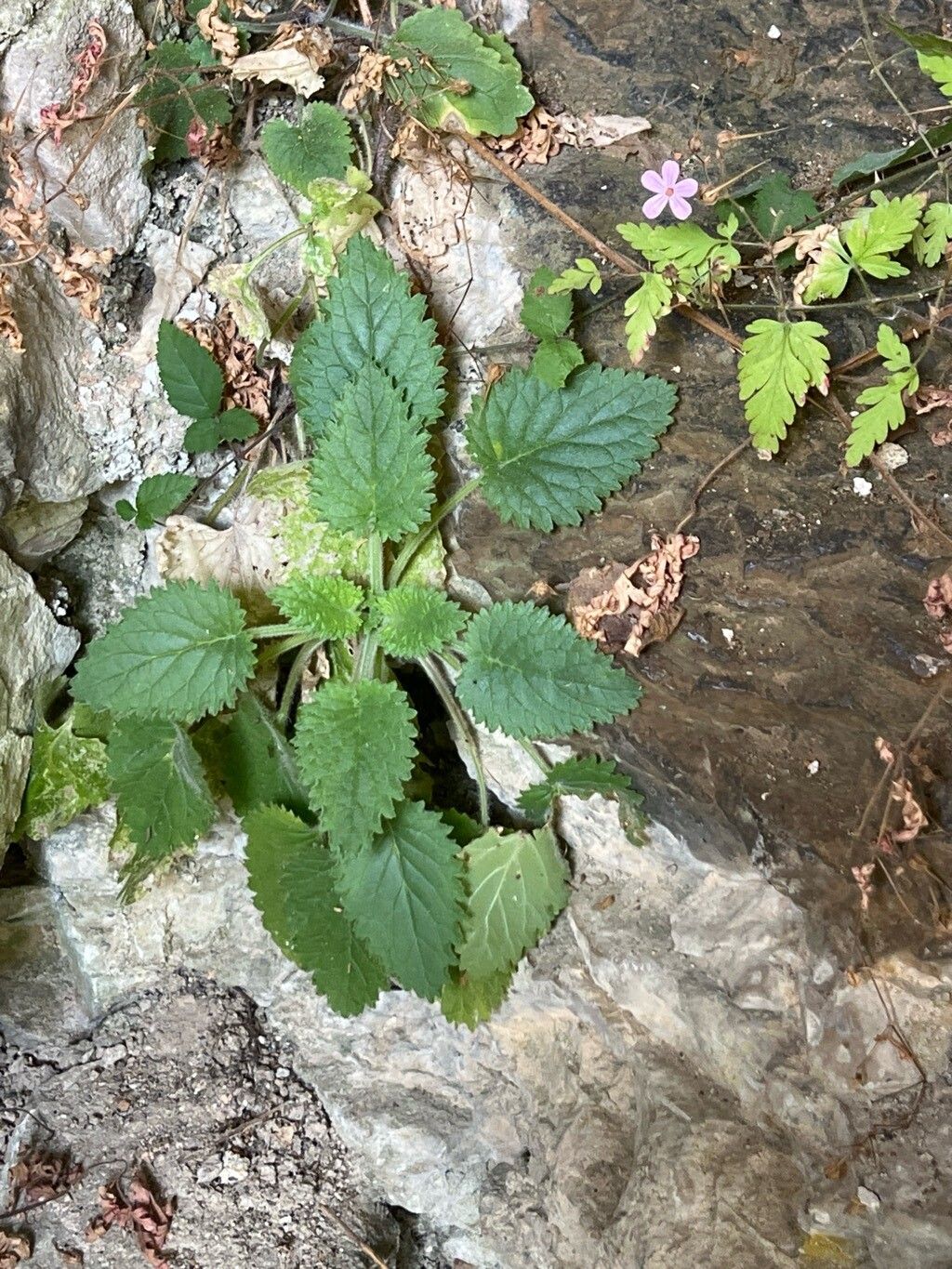
Oh, hello there! Pull up a chair and let’s chat about one of my absolute favorite plants: Scrophularia pyrenaica, or as I affectionately call it, the Pyrenean Figwort. If you’re looking for a plant that’s a little bit wild, a lot bit beautiful, and incredibly rewarding to grow, you’ve found it. Its airy spikes of delicate, bee-friendly flowers are just magical, and coaxing new life from an existing plant brings such a wonderful sense of accomplishment. Now, is it a beginner plant for propagation? Honestly, it’s moderate. It’s not as fuss-free as, say, a succulent, but with a little care and attention, you’ll be sharing divisions and cuttings with friends in no time!
The Best Time to Start
When it comes to getting your Scrophularia pyrenaica off to a great start, spring is your best bet. Think of it as the plant waking up and feeling energetic after its winter nap. The new growth will be vigorous and full of life, giving you the best chance for successful rooting. You can also try in early summer, but be mindful of those higher temperatures – sometimes a bit of extra shade and consistent moisture are needed then.
Supplies You’ll Need
Gathering your tools before you begin always makes the process so much smoother. Here’s what I keep on hand:
- A sharp, clean knife or pruning shears. Sterilize them with rubbing alcohol between cuts to prevent disease.
- Small pots or seed trays. Make sure they have good drainage holes.
- A light, well-draining potting mix. I like a blend of peat or coco coir, perlite, and a bit of compost.
- Rooting hormone (optional, but I find it helpful for speedier root development).
- A plastic bag or propagator lid to create a humid environment.
- A spray bottle filled with water.
- Labels to mark your new plants!
Propagation Methods
Scrophularia pyrenaica is quite obliging and can be propagated in a couple of ways. I usually lean towards division when the plant is looking a bit crowded and stem cuttings when I want to increase my stock or rescue a bit of leggy growth.
Division: The Natural Multiplier
This is my go-to method, especially in spring.
- Gently unearth your Scrophularia pyrenaica. You can do this by tipping the pot on its side and carefully sliding the plant out, or by digging around it in the garden, keeping a good-sized root ball intact.
- Inspect the root ball. You’re looking for natural breaks where you can see distinct crowns or clumps of stems emerging from the roots.
- Carefully pull or cut the root ball apart. If it’s stubborn, a clean trowel or even your hands can help. Aim to divide the plant into sections, each with a healthy network of roots and at least one or two stems.
- Pot up your divisions into their new homes. Use your prepared potting mix, burying the roots and ensuring the crown is at or just below soil level.
- Water them in thoroughly.
Stem Cuttings: Capturing New Growth
This method is great for getting lots of plants from a single parent.
- Select healthy, non-flowering shoots from your Scrophularia pyrenaica. Look for stems that are about 3-6 inches long and have begun to slightly firm up – not floppy and new, but not woody either.
- Make a clean cut just below a leaf node. This is where new roots are most likely to form.
- Remove the lower leaves. Leave just a couple of leaves at the top. This reduces moisture loss.
- Dip the cut end in rooting hormone (if using).
- Insert the cuttings into small pots filled with your moist potting mix. Make sure the leaf nodes where you removed the leaves are buried in the soil.
- Gently firm the soil around the cuttings.
The “Secret Sauce” (Pro Tips)
Here are a few things I’ve learned over the years that seem to make a real difference:
- Don’t let those leaves touch the water if you’re tempted to try water propagation (though I don’t recommend it for Scrophularia pyrenaica as it can lead to rot). For stem cuttings, ensure the remaining leaves are above the soil line and not constantly pressed against it. Moisture sitting on leaves encourages fungal issues.
- Bottom heat is your friend! For stem cuttings especially, those little roots seem to pop out so much faster when there’s gentle warmth from underneath. A heat mat designed for seedlings can work wonders. Keep it on a low setting.
- Mist, don’t soak! When you put your cuttings or divisions under a plastic bag or lid to create humidity, mist them lightly rather than drenching the soil. You want consistent moisture, not soggy conditions, which can quickly lead to rot.
Aftercare & Troubleshooting
Once your divisions or cuttings are potted up, the real waiting game begins.
- Keep them consistently moist but not waterlogged. Check the soil moisture regularly by feeling the top inch. If it’s dry, mist or water gently.
- Provide bright, indirect light. Avoid direct sun, especially for cuttings, as it can scorch those delicate new leaves and dry out the potting mix too quickly.
- Be patient! Roots can take anywhere from a few weeks to a couple of months to form. You can gently tug on a cutting – if there’s resistance, you likely have roots. For divisions, you’ll see new top growth emerge.
- Watch out for rot. If your cuttings start to turn black and mushy, or if your divisions look limp and the soil is constantly wet, you’ve likely got a rot problem. This is usually due to overwatering or poor drainage. Remove any affected material immediately and try to provide better air circulation. Sometimes, if you catch it early, you can save a cutting by taking it again and being more careful with moisture.
A Gentle Encouragement
Propagating plants is such a gift to yourself and to the gardening world. It’s a process that teaches you patience and observation. Don’t be discouraged if your first attempt isn’t a roaring success. Every gardener has lost a cutting or two (or more!). Just embrace the learning curve, keep your hands in the soil, and enjoy the magic of watching new life emerge from your efforts. Happy propagating!
Resource:
https://identify.plantnet.org/k-world-flora/species/Scrophularia%20pyrenaica%20Benth./data