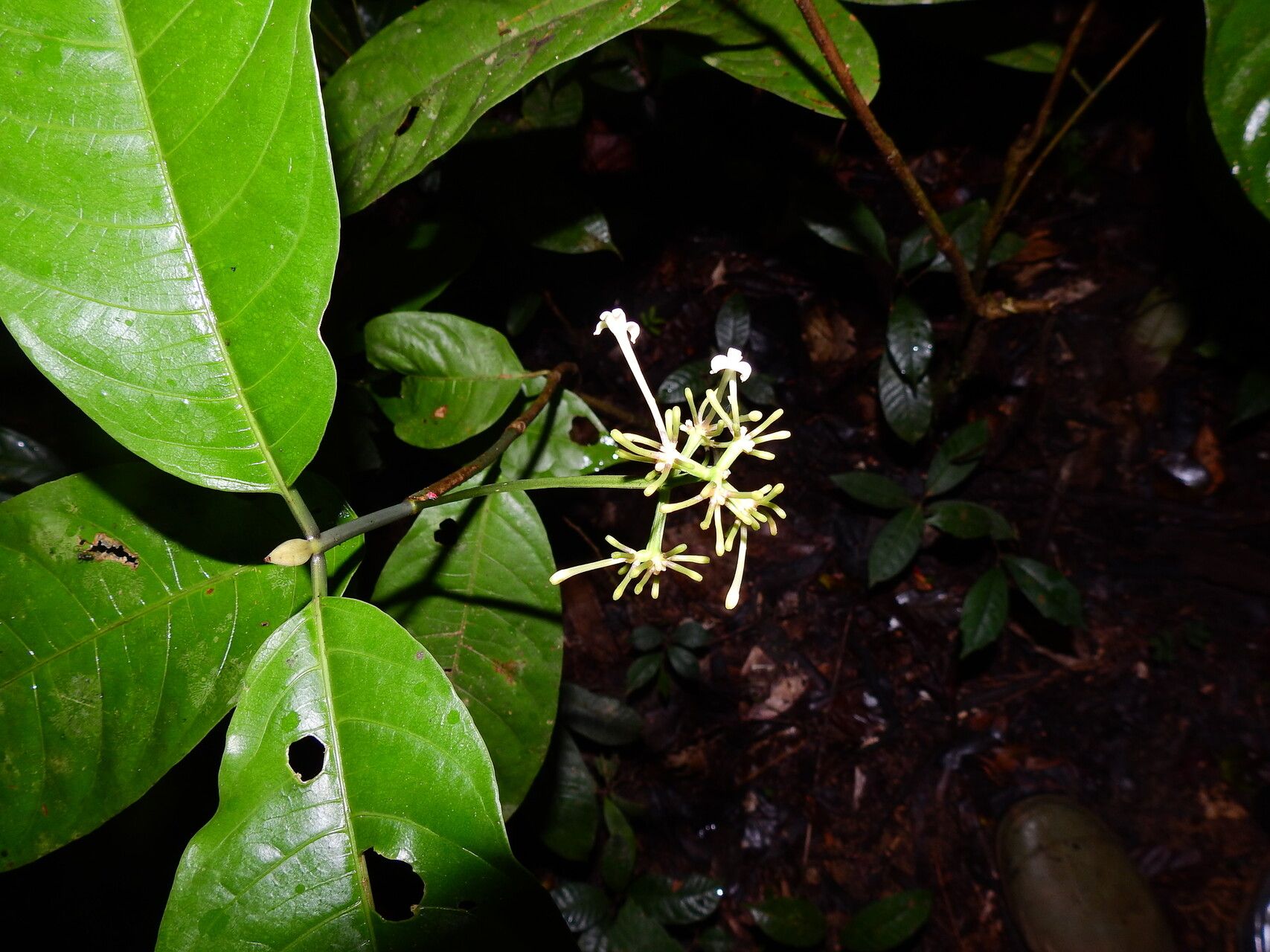
Oh, Rudgea stipulacea! If you’re looking for a plant that brings a bit of lush, tropical flair to your indoor jungle, you’ve found a winner. Those gorgeous, glossy leaves have such a wonderful way of brightening up a corner, and there’s something incredibly satisfying about nurturing a brand new plant from a tiny piece of its parent. For many folks, propagating Rudgea stipulacea is a bit of a delightful project, though I wouldn’t necessarily call it a beginner-level plant straight out of the gate. It’s more for those who have a little experience under their belt, but don’t let that deter you—with a few pointers, you’ll be well on your way!
The Best Time to Start
Honestly, the sweet spot for propagating Rudgea stipulacea is during its active growing season. Think late spring through summer. This is when the plant is putting on new growth and has the most energy to divert to establishing roots. Trying to propagate when the plant is dormant in winter is like asking a sleepy bear to run a marathon – not much chance of success! You’ll want to take cuttings from stems that are firm but not woody. Green, healthy stems are your goal.
Supplies You’ll Need
Gathering your tools beforehand makes the whole process so much smoother. Here’s what I always have on hand:
- Sharp, clean pruning shears or a knife: You want a clean cut to prevent disease.
- Rooting hormone (optional, but recommended): This really gives your cuttings a boost. Look for one with IBA.
- Well-draining potting mix: I like a blend of peat moss or coco coir, perlite, and a bit of compost. A good bag of houseplant mix amended with extra perlite works too.
- Small pots or propagation trays: Something with drainage holes is a must.
- Plastic bags or a humidity dome: To keep the humidity high around your cuttings.
- Watering can or spray bottle: For gentle watering.
Propagation Methods
For Rudgea stipulacea, I find the most reliable method is stem cuttings. It’s straightforward and usually yields great results.
Stem Cuttings:
- Select your cutting: Look for a healthy stem that has at least two to three sets of leaves.
- Take the cut: Using your sharp, clean shears, make a cut just below a leaf node. This is where roots are most likely to emerge. Aim for cuttings that are about 4-6 inches long.
- Prepare the cutting: Gently remove the lower leaves. You want to expose the nodes where you’ll be encouraging root growth. Leave at least one or two sets of leaves at the top. If the leaves are very large, you can even cut them in half horizontally to reduce water loss.
- Apply rooting hormone (if using): Dip the cut end of the stem into the rooting hormone powder, tapping off any excess.
- Plant the cutting: Fill your small pot with your well-draining potting mix. Make a small pilot hole with your finger or a pencil. Insert the cutting into the hole, ensuring the nodes where you removed the leaves are buried. Gently firm the soil around the stem.
- Water gently: Water the soil until it’s evenly moist but not waterlogged.
- Create humidity: Place a plastic bag over the pot, securing it with a rubber band, or use a clear plastic dome. If using a bag, you can insert a few stakes to keep the plastic from touching the leaves.
- Find a good spot: Place the pot in a warm location with bright, indirect light. Avoid direct sun, which can scorch the tender cuttings.
The “Secret Sauce” (Pro Tips)
Here are a couple of tricks I’ve learned over the years that really make a difference:
- Bottom heat is your friend: If you have a seedling heat mat, placing your pots on it can significantly speed up root development. It mimics the warm soil conditions the plant loves. Just make sure the pot isn’t sitting directly in water.
- Don’t let the leaves touch the water: For stem cuttings where you might be tempted to stick them in water, this is crucial. If the leaves are submerged, they’ll rot before roots can even think about forming. Keep any leaves above the water line.
Aftercare & Troubleshooting
Once you see the first signs of new growth or gently tug on the cutting and feel resistance (indicating roots have formed), it’s time to start adjusting the aftercare.
Gradually remove the humidity cover over a week or two. You want to acclimate your new baby to the drier air of your home. Continue to keep the soil evenly moist but not soggy. Once it’s clearly established, you can move it into a slightly larger pot.
The most common culprit for failure is rot. If your cutting looks mushy, dark, or has a foul smell, it’s likely rotted. This is usually due to too much moisture and poor air circulation. If you see this, unfortunately, it’s best to discard it and try again. Another sign of trouble is wilting that doesn’t recover after watering; this could mean the cutting isn’t taking, or it’s drying out too quickly.
A Encouraging Closing
Propagating a plant like Rudgea stipulacea is a journey. There will be times when it feels like nothing is happening, and that’s perfectly okay. Be patient with your little cuttings. Watch for those subtle signs of life, and when you finally see that new leaf unfurl, you’ll feel a surge of pride. Enjoy the process, learn from each attempt, and soon you’ll have even more of this beautiful plant to share! Happy gardening!
Resource:
https://identify.plantnet.org/k-world-flora/species/Rudgea%20stipulacea%20(DC.)%20Steyerm./data