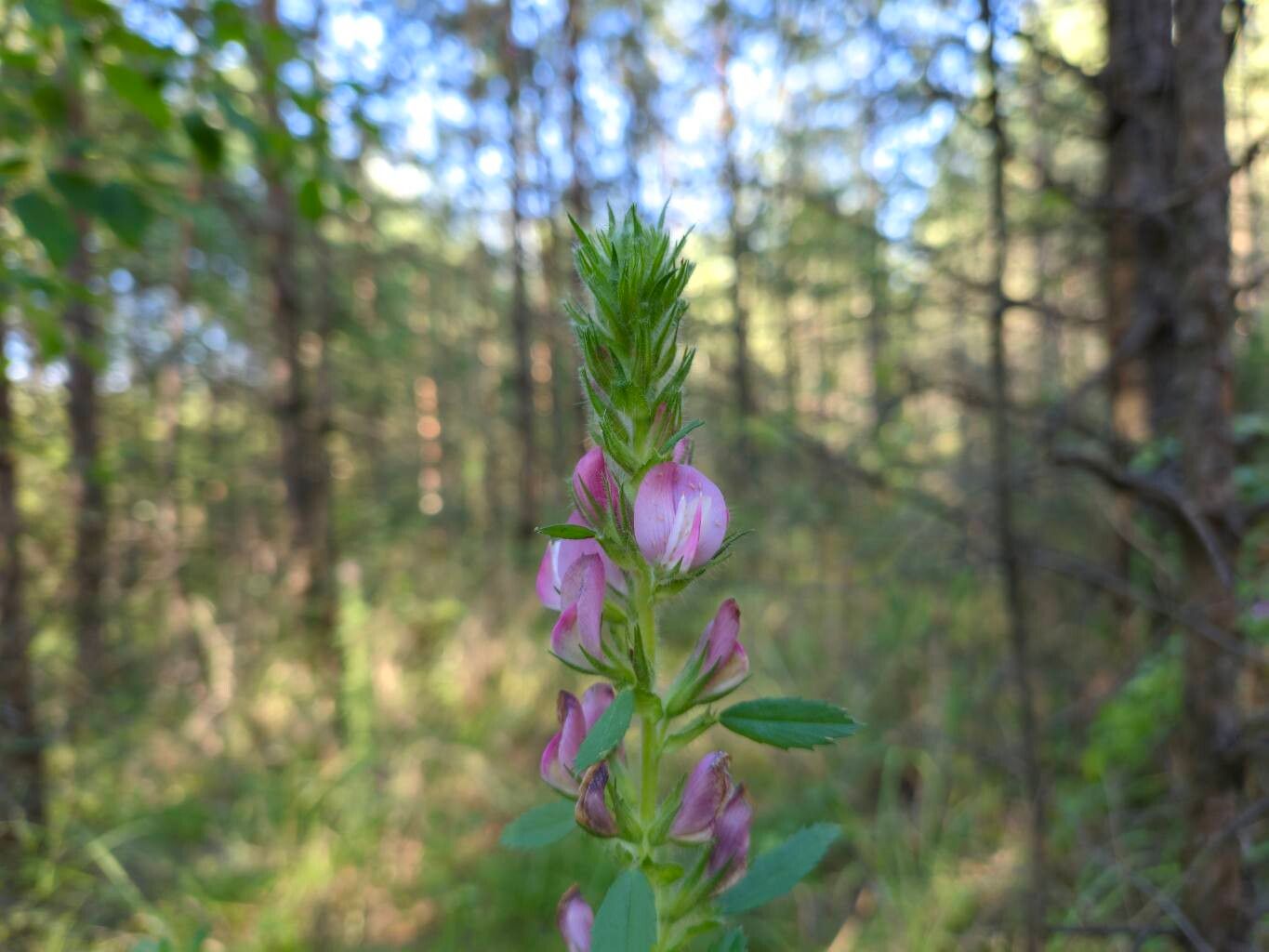
Hey there, fellow garden enthusiasts! It’s me, your seasoned gardening friend, ready to spill the beans on one of my absolute favorite topics: propagate Ononis arvensis. If you haven’t met this charming little plant yet, you’re in for a treat. Commonly known as Field Restharrow, its delicate pink flowers and tidy, sprawling habit make it a delightful addition to sunny borders and rock gardens. Plus, there’s something incredibly satisfying about creating new life from an existing gem. Don’t worry if you’re new to this; while it requires a little attention, propagating Ononis arvensis is quite doable, even for beginners!
The Best Time to Start
For the highest success rate with your Field Restharrow cuttings, aim for late spring to early summer. This is when the plant is actively growing, and the stems are semi-hardwood – not too soft and floppy, but not tough and woody either. You’re looking for stems that have developed a bit but are still flexible.
Supplies You’ll Need
Here’s what you’ll want to have on hand to set yourself up for success:
- Sharp, clean pruning shears or a sharp knife: A clean cut is crucial to prevent disease.
- Rooting hormone (optional but recommended): This gives your cuttings a helpful boost. Look for one specifically for stem cuttings.
- A good quality potting mix: I like to use a blend of equal parts peat moss or coco coir and perlite or coarse sand. This ensures excellent drainage, which is key!
- Small pots or seed trays: Clean pots are a must.
- A plastic bag or propagator lid: This will create a humid environment for your cuttings.
- Watering can or spray bottle: For gentle watering.
- Labels and a marker: To keep track of your precious new plants!
Propagation Methods
Let’s get our hands dirty and dive into the most effective ways to multiply your Ononis arvensis.
Stem Cuttings: My Personal Go-To
This is my favorite method for Field Restharrow because it yields great results with minimal fuss.
- Take your cuttings: In late spring or early summer, select healthy, non-flowering shoots from your established plant. Using your sharp shears, cut sections about 4-6 inches long.
- Prepare the cuttings: Gently remove the lower leaves from your cuttings. You want to expose at least two leaf nodes at the bottom of the stem.
- Apply rooting hormone (if using): Dip the cut end of each stem into your rooting hormone powder, tapping off any excess.
- Plant your cuttings: Fill your small pots with your prepared potting mix. Make a hole with your finger or a pencil and insert the cut end of the stem. Gently firm the soil around it.
- Water and cover: Water your cuttings gently. Then, place a clear plastic bag over the pot or cover it with a propagator lid. This creates a mini greenhouse, keeping the humidity high.
Division (For Established Plants)
If you have a mature clump of Ononis arvensis, division is a fantastic way to rejuvenate it and get more plants.
- Dig up the plant: In early spring or late autumn (when the plant is dormant), carefully dig up the entire clump.
- Separate the roots: Gently tease apart the root ball. If the roots are matted, you might need to use a clean spade or a sharp knife to divide the clump into smaller sections. Ensure each section has a good amount of roots and a few healthy shoots.
- Replant immediately: Plant the divided sections into their new homes, either back in the garden or into pots with fresh potting mix. Water them well.
The “Secret Sauce” (Pro Tips)
Here are a couple of tricks I’ve picked up over the years that can make a big difference:
- Don’t let the leaves touch the water (if doing water propagation or if condensation builds up): Whether you try a water propagation method (though I find cuttings more reliable for this plant) or your cuttings are covered, any leaves submerged in water or resting on wet surfaces can quickly lead to rot. Pinch off lower leaves to prevent this.
- A bit of warmth helps! While not strictly necessary, placing your pots on a heated propagator mat, especially if it’s a bit cooler, can significantly speed up root development. It mimics that lovely warm soil of late spring.
Aftercare & Troubleshooting
Once your cuttings have rooted (you’ll know when you see new growth or feel gentle resistance when tugging lightly), it’s time to transition them.
- Acclimatize them: Gradually remove the plastic bag or propagator lid over a few days to help them adjust to drier air.
- Watering: Keep the soil consistently moist but not waterlogged. Overwatering is the quickest way to invite trouble.
- Light: Place your newly rooted plants in a bright location out of direct, harsh sunlight.
- Troubleshooting: The most common issue is rot. If your stem turns black and mushy, it’s a sign of too much moisture and not enough air circulation. Unfortunately, there’s usually no saving a rotten cutting. If a cutting wilts dramatically and doesn’t perk up, it might be too dry or hasn’t rooted. Don’t give up too easily; sometimes, they just need a little time!
A Encouraging Closing
Remember, gardening is a journey, and propagation is a wonderful part of that. Be patient with your Ononis arvensis cuttings. Not every attempt will be a roaring success, and that’s perfectly okay. Enjoy the process of nurturing these little bits of life. Before you know it, you’ll have a whole garden full of these delightful Field Restharrows to share! Happy propagating!
Resource:
https://identify.plantnet.org/k-world-flora/species/Ononis%20arvensis%20L./data