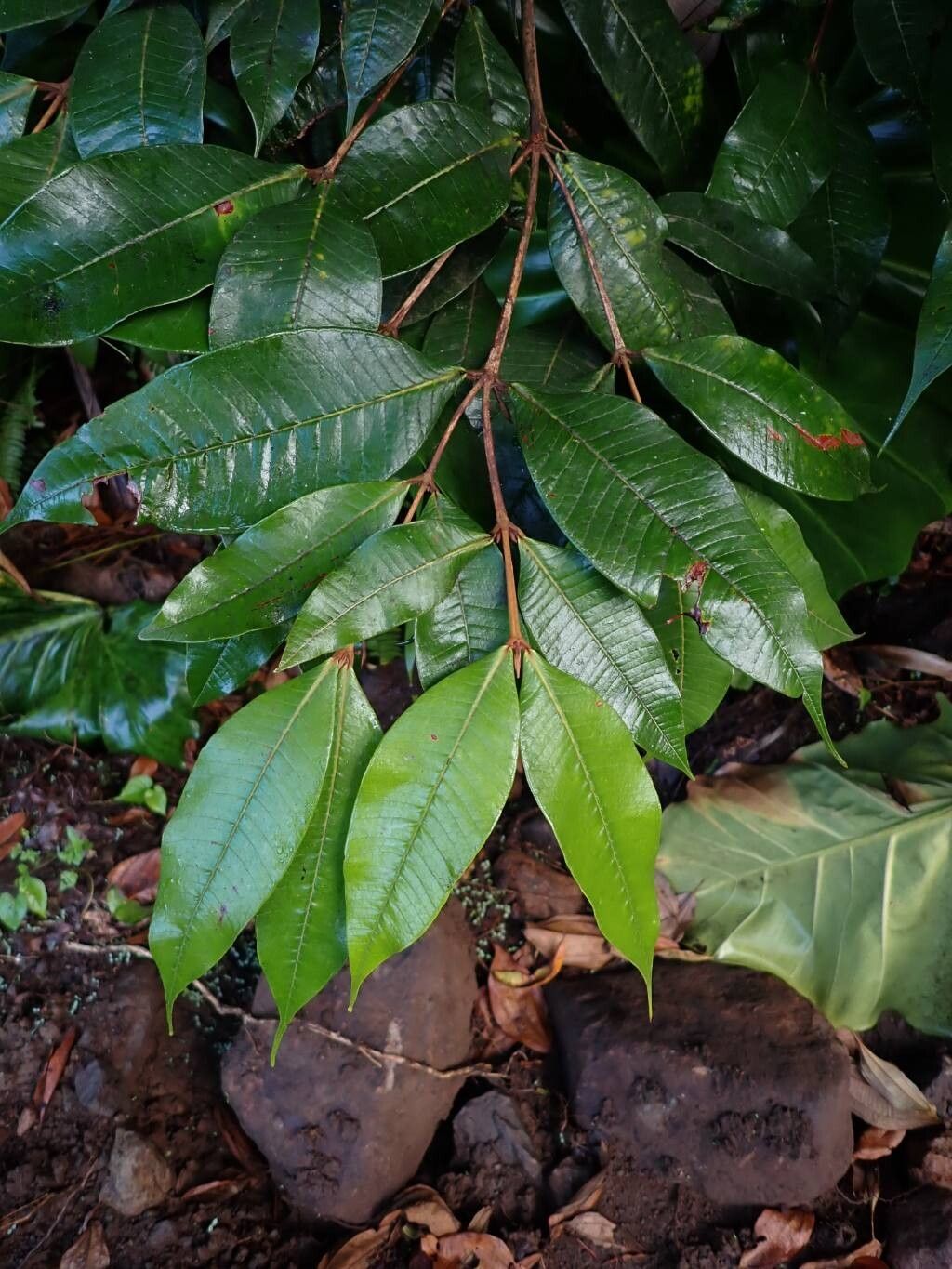
Oh, hello there! Come on in and make yourself comfortable. I’ve got a fresh pot of coffee brewing, and I’m so excited to chat about one of my favorite little treasures: Myrcia deflexa. You might know it by its common name, often something like “little Myrtle” or a variation on that theme, but whatever you call it, this plant is just delightful. Its dense, glossy leaves and delicate flowers bring such lovely texture and charm, and honestly, seeing a tiny cutting you nurtured yourself burst into life? That’s a feeling unlike any other.
Now, the big question: is Myrcia deflexa a good plant for beginners to propagate? I’d say it’s a rewarding challenge. It’s not always as straightforward as, say, a Pothos, but with a little attention to detail and a touch of patience, you’ll be celebrating successes in no time. Think of it as learning a new dance – a few fumbles at first, but then you’ve got the rhythm.
The Best Time to Start
For the highest chance of success when propagating Myrcia deflexa, I always lean towards early to mid-spring. This is when the plant is really waking up and putting on new growth. You want to take cuttings from stems that are semi-hardwood. That means they’re not brand new, floppy soft growth, but they’re also not old, woody stems. They should feel firm but still have a bit of flexibility. Think of it like a pencil – firm, but you can still bend it a little.
Supplies You’ll Need
Before we dive into the “how-to,” let’s get our ducks in a row. Having everything ready makes the process so much smoother.
- Sharp Pruning Shears or a Clean Knife: For making clean cuts. You don’t want to crush the stems.
- Rooting Hormone: This is your little magic booster. A powder or liquid form is fine.
- Propagation Medium: I usually go with a well-draining mix. A 50/50 blend of perlite and coco coir or fine-grained peat moss works wonderfully. You want something that holds some moisture but doesn’t stay soggy.
- Small Pots or Seedling Trays: Clean and with drainage holes, of course!
- Plastic Bags or a Clear Dome: To create a mini-greenhouse effect.
- Watering Can or Spray Bottle: For gentle watering.
- Optional: Heat Mat: This can encourage faster root development, especially if your indoor temps are a bit cooler.
Propagation Methods
Myrcia deflexa is best propagated from stem cuttings. This is where the magic really happens!
- Making the Cuttings: Head out to your Myrcia deflexa plant when it’s actively growing. Look for those semi-hardwood stems. Using your clean shears or knife, make a cut just below a leaf node. A leaf node is where a leaf attaches to the stem. This is a prime spot for root development. Your cutting should be about 4-6 inches long.
- Preparing the Cutting: Gently remove the lower leaves from your cutting, leaving just a few at the top. This prevents them from rotting in the medium once you plant it. If the remaining leaves are quite large, you can carefully trim them in half to reduce water loss.
- Applying Rooting Hormone: Dip the cut end of your stem into your rooting hormone. Make sure it’s coated. Gently tap off any excess.
- Planting the Cutting: Fill your small pots with your prepared propagation medium. Make a small hole with your finger or a pencil in the center of the soil. Insert the cut end of your Myrcia deflexa cutting into the hole, and gently firm the soil around it.
- Watering and Creating Humidity: Give your newly planted cutting a gentle watering. You want the soil to be moist, not soaking wet. Now, cover the pot with a clear plastic bag or a propagator dome. This is crucial! It keeps the humidity high, which is what your cutting needs to survive while it’s trying to grow roots. Make sure the leaves aren’t pressed directly against the plastic if possible.
The “Secret Sauce” (Pro Tips)
Here are a few little tricks I’ve picked up over the years that really seem to make a difference for fussier plants like Myrcia deflexa:
- Bottom Heat is Your Friend: If you can, pop your pots onto a gentle heat mat. This warms the soil from below and really encourages those roots to start forming. It’s like giving them a cozy heated blanket. Don’t make it too hot, though – just a gentle warmth.
- Don’t Disturb Too Soon: I know it’s tempting to peek, but resist the urge to tug on your cuttings for leaves than 4-6 weeks. If they resist, they haven’t rooted. If they come out easily, they’re not ready. You’ll naturally see new leaf growth when they’re happy and have established roots.
- Keep it Clean: Always, always use clean tools and clean pots. This is your best defense against fungal issues and rot, which can be the downfall of even the most promising cuttings.
Aftercare & Troubleshooting
Once you’ve spotted new growth on your cutting, that’s a great sign! It means roots are forming.
- Gradual Acclimation: Slowly start to acclimate your new plant to drier air. This means gradually lifting the plastic bag or dome for increasing periods each day over a week or two.
- Consistent Moisture: Continue to keep the soil consistently moist but not waterlogged. As the plant grows and you move it out of the humidity dome, you might find you need to water a bit more often.
- First Repotting: When the new plant has a good amount of foliage and feels stable, it’s time for its first gentle repot into a slightly larger pot with your regular potting mix.
The most common issue you’ll encounter is rot. If the stem turns mushy and black, or the leaves wilt and blacken without any new growth, it’s likely rot. This usually happens from too much moisture and not enough air circulation. If you see this, it’s best to discard the cutting and try again, making sure your watering and air flow are improved.
A Encouraging Closing
And there you have it! Propagating Myrcia deflexa is a journey, not a sprint. There will be times when a cutting doesn’t make it, and that’s perfectly okay. Every gardener, myself included, has lost cuttings. But each time you try, you learn a little bit more. So, be patient with yourself and with your little plant babies. The reward of seeing those tiny roots emerge and a new plant unfurl is truly worth every bit of effort. Happy propagating!
Resource:
https://identify.plantnet.org/k-world-flora/species/Myrcia%20deflexa%20(Poir.)%20DC./data