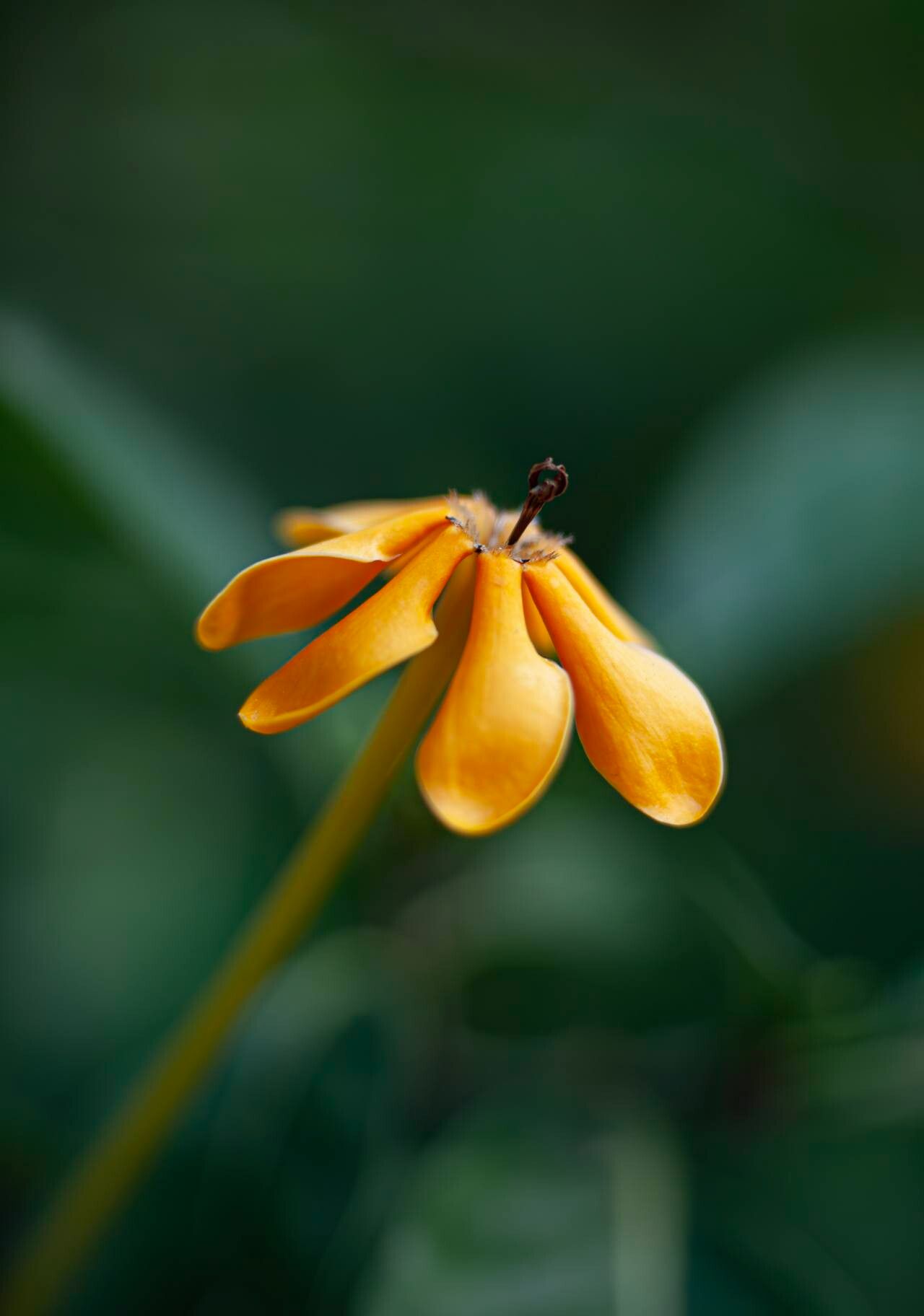
Oh, the Magnolia champaca! Just thinking about it brings a smile to my face. Its intoxicating, sweet fragrance is truly something special, and seeing those beautiful, creamy blossoms unfurl is pure garden magic. If you’ve ever dreamed of filling your own space with this marvel, or if you’re lucky enough to have a mature tree and want more, propagating it yourself is an incredibly rewarding journey. Now, I won’t sugarcoat it – Magnolia champaca can be a bit of a diva when it comes to propagation, so it might not be the absolute easiest plant for a brand-new beginner. But with a little care and these tips, you absolutely can bring new life to this gorgeous tree.
When is the Best Time to Start?
Generally, the sweeter spot for taking cuttings of Magnolia champaca is late spring or early summer. This is when the plant is actively growing, and the new wood, called softwood, has begun to harden slightly. You’re looking for pieces that are flexible but not floppy. Avoid taking cuttings when the plant is in full bloom or during periods of extreme heat stress.
What You’ll Need to Gather
Having your tools ready makes the whole process smoother. Here’s what I always have on hand:
- Clean, sharp pruning shears or a sharp knife. Sterilize them with rubbing alcohol to prevent disease.
- Small pots or seed trays. Ensure they have drainage holes.
- A good quality propagation mix. I often use a blend of equal parts perlite and peat moss or a fine-grade, sterile seed starting mix. This ensures excellent drainage.
- Rooting hormone. A powdered or gel form will work. Look for one specifically for woody cuttings.
- A plastic bag or clear cloche. This creates a mini-greenhouse effect to keep humidity high.
- A watering can with a fine rose. Gentle watering is key.
- Optional: A heat mat. This can significantly speed up root development.
Let’s Get Propagating: Stem Cuttings
This is usually the most successful method for Magnolia champaca.
- Select Your Cuttings: On a day when the plant isn’t stressed by heat, choose healthy, vigorous stems from the current season’s growth. Look for stems that are about 4-6 inches long and have a few sets of leaves. Gently bend a stem; if it snaps cleanly, it’s likely good. If it just bends, it’s too soft.
- Prepare the Cuttings: Using your sterilized shears, make a clean cut just below a leaf node (where a leaf attaches to the stem). Remove the lower leaves, leaving just 2-3 leaves at the top. If the remaining leaves are very large, you can cut them in half horizontally to reduce water loss through transpiration.
- Apply Rooting Hormone: Dip the cut end of the stem into your rooting hormone, ensuring it’s well-coated about an inch up. Tap off any excess.
- Plant the Cuttings: Moisten your propagation mix in the pots. Make a small hole with a pencil or your finger and gently insert the cutting, ensuring the rooting hormone stays intact. Gently firm the mix around the stem.
- Create a Humid Environment: Water the cuttings lightly. Then, cover the pots with a clear plastic bag, making sure the leaves don’t touch the plastic. You can prop it up with stakes if needed. Alternatively, place the pots inside a clear cloche.
- Find a Cozy Spot: Place your pots in a bright location that receives indirect light. Avoid direct sun, which can scorch the leaves and overheat the cuttings.
The “Secret Sauce” from My Garden
Here are a couple of tricks I’ve learned over the years that have made a big difference:
- Bottom Heat is Your Friend: Magnolia champaca cuttings really benefit from a bit of warmth coming from below. Placing your pots on a gentle heat mat set to about 70-75°F (21-24°C) can drastically speed up rooting. It mimics the warmth of spring soil and encourages those roots to form more quickly.
- Don’t Over-Water – Be Patient! It’s tempting to keep the soil constantly wet, thinking it will help. But soggy soil is the fastest way to rot your cuttings. The propagation mix should be kept consistently moist, but never waterlogged. Think of it like a wrung-out sponge. And remember, patience is a gardener’s greatest virtue! Roots can take weeks, or even a couple of months, to form.
Aftercare and When Things Go Wrong (and How to Fix Them!)
Once you start seeing new leaf growth or feel a gentle tug when you carefully wiggle a cutting (a sign of roots!), it’s time to start acclimatizing them.
- Gradual Introduction: For the first week, gradually air out your cuttings by opening the plastic bag for longer periods each day. This helps them adjust to less humid conditions. Eventually, remove the bag altogether.
- Gentle Watering: Continue to water sparingly, allowing the top inch of soil to dry out slightly between waterings.
- Transplanting: Once the roots have developed a good network and you can see them through the drainage holes, you can transplant your new Magnolia champaca into slightly larger pots with a good quality potting mix.
Now, about troubleshooting. The most common issue you’ll encounter is rot. If you see the base of the cutting turning black and mushy, or leaves wilting and dying despite your best efforts, it’s usually a sign of too much moisture and not enough air circulation. If this happens, sadly, that cutting is likely lost. Learn from it, ensure your mix is airy next time, and don’t be afraid to start again!
Propagating plants is a beautiful dance with nature. It takes a little practice, some experimentation, and definitely a dollop of patience. Don’t get discouraged if your first attempts aren’t perfect. Each cutting you try is a learning experience, and the reward of nurturing a new life from a sliver of your beloved Magnolia champaca is truly unparalleled. Happy propagating!
Resource: