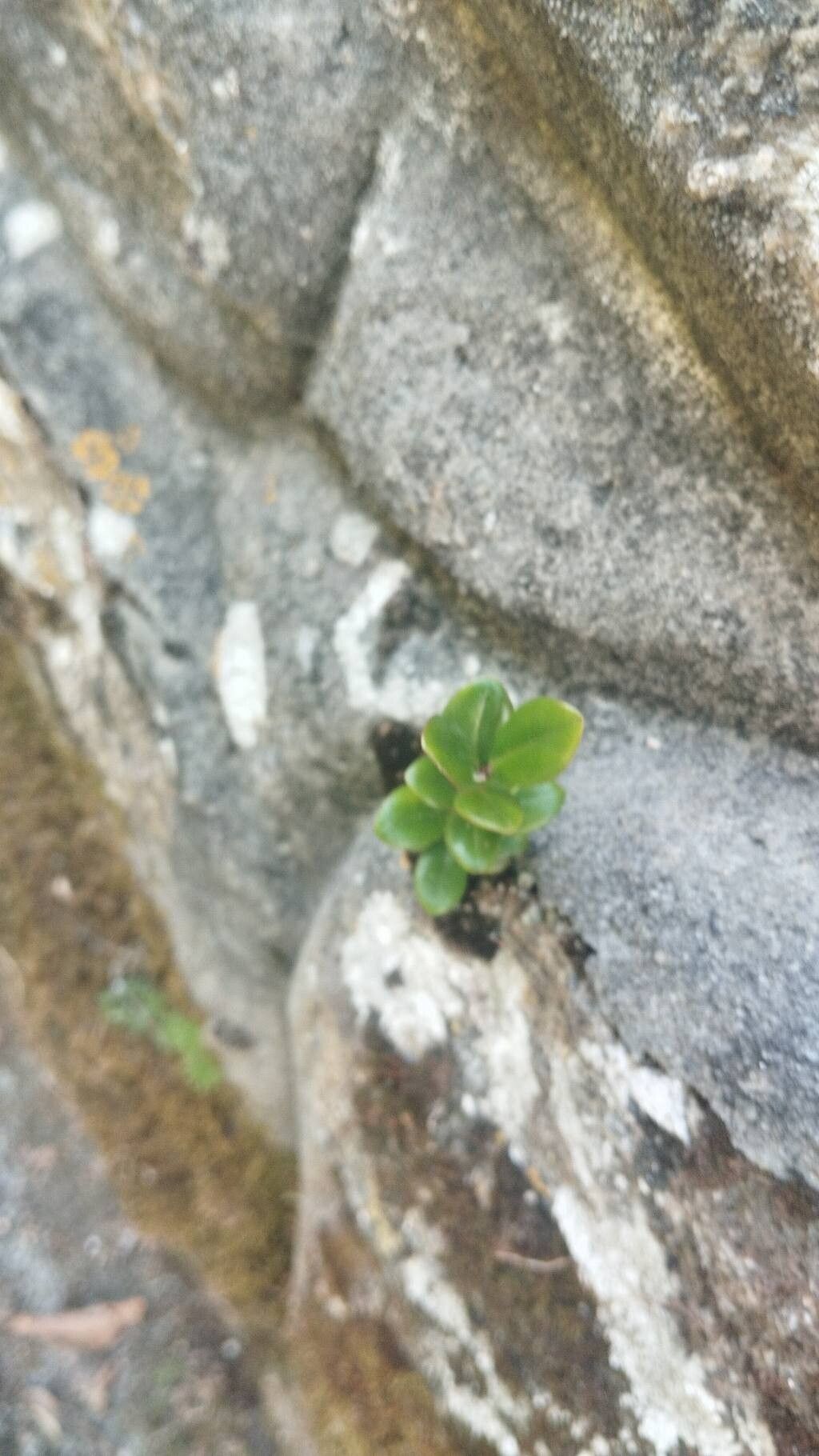
Oh, hello there! Come on in, grab a mug. Let’s chat about Lysimachia mauritiana. I know, right? It’s such a gem. That delicate, almost ethereal beauty with its masses of starry white flowers… it’s the kind of plant that just brightens up any corner of the garden or a windowsill. And the best part? You can easily multiply it yourself! Propagating Lysimachia mauritiana is a wonderfully rewarding experience, and I’m happy to share how I do it. For beginners, I’d say it’s quite forgiving. You’ll likely have success with a little patience.
The Best Time to Start
For the best results, I like to take cuttings in late spring to early summer. This is when the plant is actively growing and has plenty of energy to put into developing new roots. You want to look for young, flexible stems that haven’t flowered yet. They’re plumper and more robust than old, woody growth.
Supplies You’ll Need
Here’s what you should have on hand:
- Sharp pruning shears or a clean knife: For making clean cuts.
- Rooting hormone (optional but recommended): This can give your cuttings a helpful boost. I like the powder kind.
- Well-draining potting mix: A mix of regular potting soil, perlite, and perhaps some coarse sand works beautifully. You want it to dry out reasonably well between waterings.
- Small pots or seed trays: Clean ones are a must to prevent disease.
- Plastic bags or a propagation dome: To maintain humidity.
- A watering can or spray bottle: For gentle watering.
Propagation Methods
Let’s get our hands dirty! The easiest and most reliable method for Lysimachia mauritiana is stem cuttings.
Stem Cuttings:
- Select your stems: Look for healthy, non-flowering shoots that are about 3-4 inches long.
- Make the cut: Using your clean shears, cut the stem just below a leaf node. This is the little bump where leaves emerge; it’s where the magic happens for root formation.
- Prepare the cutting: Gently remove the lower leaves, leaving 2-3 sets of leaves at the top. This prevents foliage from rotting in the soil and allows the plant to focus its energy on rooting.
- Dip in rooting hormone (optional): If you’re using rooting hormone, lightly dip the cut end into the powder. Tap off any excess.
- Plant the cuttings: Fill your small pots with the well-draining mix. Make a small hole with your finger or a pencil and insert the cutting, ensuring the leaves aren’t buried. Firm the soil gently around it.
- Water gently: Give the soil a light watering. You want it moist, not soggy.
- Create humidity: Cover the pot with a clear plastic bag or pop it under a propagation dome. Make sure the plastic isn’t touching the leaves too much – you can use small stakes to prop it up if needed.
Water Propagation (My quick and dirty method):
This is a super simple way to see roots develop.
- Prepare the cuttings: Do steps 1-3 from the stem cutting method.
- Place in water: Put the cuttings in a jar or glass of clean water. Make sure no leaves are submerged; they will rot. If a leaf is too low, snip it off.
- Find a spot: Place the jar in a bright spot, out of direct sunlight.
- Change the water: Change the water every few days or whenever it starts to look cloudy.
- Watch for roots: In a few weeks, you should start to see little white roots appearing. Once they’re about an inch long, plant them in soil as described above.
The “Secret Sauce” (Pro Tips)
Here are a couple of tricks I’ve picked up over the years that really make a difference:
- Bottom Heat is King: These little cuttings are so happy when their bottoms are warm. If you have a heat mat designed for seedlings, place your pots on it. It’s not strictly necessary, but it definitely speeds up root development, especially if your house is a bit cool.
- Don’t Overwater, Ever: This is probably the most common mistake. Soggy soil is the enemy of new cuttings. They rot before they root. Err on the side of slightly dry rather than too wet. The plastic cover helps retain moisture, so you’ll water less frequently once they’re covered.
Aftercare & Troubleshooting
Once you see new growth emerging from your cuttings, that’s a great sign! It means roots have formed.
- Harden Off: Gradually introduce your new plants to your home environment. If they were in a humid propagator or under a bag, slowly remove the cover over a few days. Then, start exposing them to less direct sun.
- Watering: Continue to water when the top inch of soil feels dry. As they grow, they’ll need more moisture, but always check first.
- Signs of Failure: The most common issue is rot. If your cuttings turn mushy or black, they’ve likely rotted. This is usually due to overwatering or a lack of air circulation. Another sign is wilting that doesn’t perk up after watering – this can also indicate rot has set in, or the cutting simply didn’t take. Don’t be discouraged if some don’t make it! It’s part of the process.
A Encouraging Closing
See? It’s really not that complicated. Propagating Lysimachia mauritiana is a lovely way to expand your collection or share these beautiful plants with friends. Be patient with yourself and the process. Nature has its own rhythm, and soon you’ll be enjoying your own homegrown blooms. Happy growing!
Resource:
https://identify.plantnet.org/k-world-flora/species/Lysimachia%20mauritiana%20Lam./data