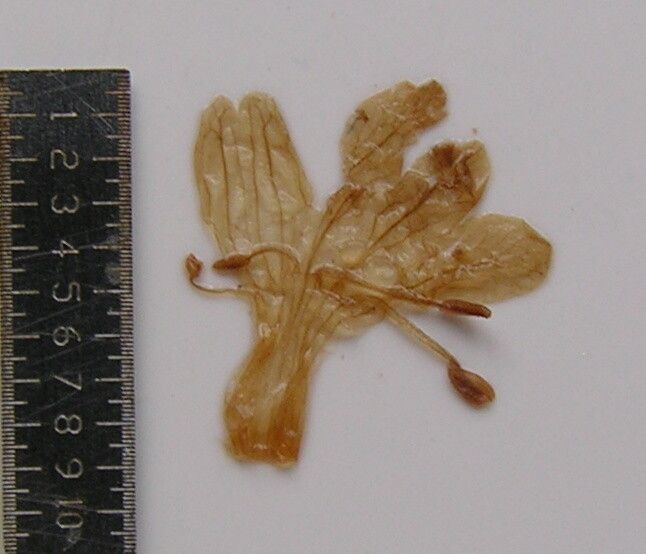
Oh, hello there! Grab a mug of your favorite brew, and let’s chat about a truly delightful plant: Lepidagathis purpuricaulis. If you’re drawn to striking foliage with a hint of the exotic, you’re going to love this one. Its deep purples and elegant form bring such personality to a garden or even a sunny windowsill. And the best part? You can easily multiply your own little patch of purple magic.
Here’s the thing: propagating Lepidagathis purpuricaulis is surprisingly accessible. While some plants can be real divas about it, this one is quite forgiving. I’d say it’s a fantastic plant for those just dipping their toes into the wonderful world of propagation. You’ll feel like a gardening wizard in no time!
The Best Time to Start
For Lepidagathis purpuricaulis, the sweet spot for propagation is definitely late spring or early summer. This is when the plant is in its most vigorous growth phase. Think of it like this: the plant is buzzing with energy, and that energy is exactly what we need to encourage those baby roots to form. You want to take cuttings from stems that are firm and actively growing, not those that are still soft and lanky or woody and old.
Supplies You’ll Need
Before we get our hands dirty, let’s make sure we have our toolkit ready. It’s not much, but having the right bits and pieces makes all the difference:
- Sharp, clean pruning shears or a sharp knife: Cleanliness is paramount to prevent disease.
- Rooting hormone powder (optional, but recommended): This gives your cuttings a little boost. Look for one with a fungicide if you’re prone to issues.
- Well-draining potting mix: A blend of peat moss, perlite, and a bit of sand works wonders. Or, you can buy a good quality general-purpose potting mix and amend it with extra perlite.
- Small pots or trays: Clean pots or seed trays with drainage holes are essential.
- Watering can or spray bottle: For gentle watering.
- Plastic bags or a clear propagator lid: To create a humid environment.
Propagation Methods
Lepidagathis purpuricaulis is a champion of stem cuttings. It’s straightforward and yields fantastic results.
Stem Cuttings:
- Take your cuttings: In late spring or early summer, choose a healthy stem. Using your clean shears, make a cut just below a leaf node (where a leaf attaches to the stem). Your cutting should be about 4-6 inches long. Remove the lower leaves, leaving just a few at the top.
- Prepare the cutting: If you’re using rooting hormone, lightly dip the cut end into the powder. You don’t need a whole glob, just a light dusting.
- Plant the cutting: Make a small hole in your prepared potting mix using your finger or a pencil. Gently insert the cut end of the stem into the hole and firm the soil around it.
- Create humidity: Water the soil gently. Then, cover the pot with a clear plastic bag or place it under a propagator lid. This traps moisture and creates that humid microclimate cuttings adore. Pop a couple of small sticks in the soil if needed to keep the bag from touching the leaves.
- Find the right spot: Place the pot in a bright location that receives indirect sunlight. Direct sun will scorch those delicate cuttings.
The “Secret Sauce” (Pro Tips)
Now, for a couple of my favorite tricks that have really upped my propagation success rates:
- Temperature matters! I’ve found that Lepidagathis purpuricaulis cuttings root best with a little warmth from below. If you have a heated propagator mat, now’s the time to use it! It really speeds things up. If you don’t have one, placing your pots on top of a warm appliance (like a gently buzzing refrigerator) can give them a similar boost.
- Don’t overwater, but keep it moist: The trick with cuttings is to keep the soil consistently moist but never waterlogged. Soggy soil is a fast track to rot. I like to mist the leaves lightly every couple of days, especially if the humidity seems to be dropping. This helps keep them turgid while they’re working on their roots.
Aftercare & Troubleshooting
Once you see new growth peeking out, or perhaps you gently tug on a cutting and feel resistance, that’s a good sign of roots! Now, it’s time to ease them into the real world.
Gradually acclimate your new plants by opening the plastic bag or propagator lid a little more each day over a week. This helps them adjust to lower humidity. Once they’re fully removed from cover, continue to water them as you would a mature plant, letting the soil dry slightly between waterings.
The most common issue you might face is rot. If your cuttings suddenly go limp, turn mushy, or develop black, slimy stems, it’s usually a sign of too much moisture and not enough air circulation. If you catch it early, you might be able to salvage a healthy section of the stem and try again. Ensure your soil mix is airy and that your pots have good drainage.
A Encouraging Closing
Be patient with your little plant babies! Propagation is a journey, and sometimes things take a little longer than expected. Don’t get discouraged if your first attempt isn’t a runaway success. Each time you try, you learn something new. Enjoy the process of nurturing these new lives, and soon enough, you’ll have a collection of Lepidagathis purpuricaulis to share or enjoy yourself. Happy propagating!
Resource:
https://identify.plantnet.org/k-world-flora/species/Lepidagathis%20purpuricaulis%20Nees/data