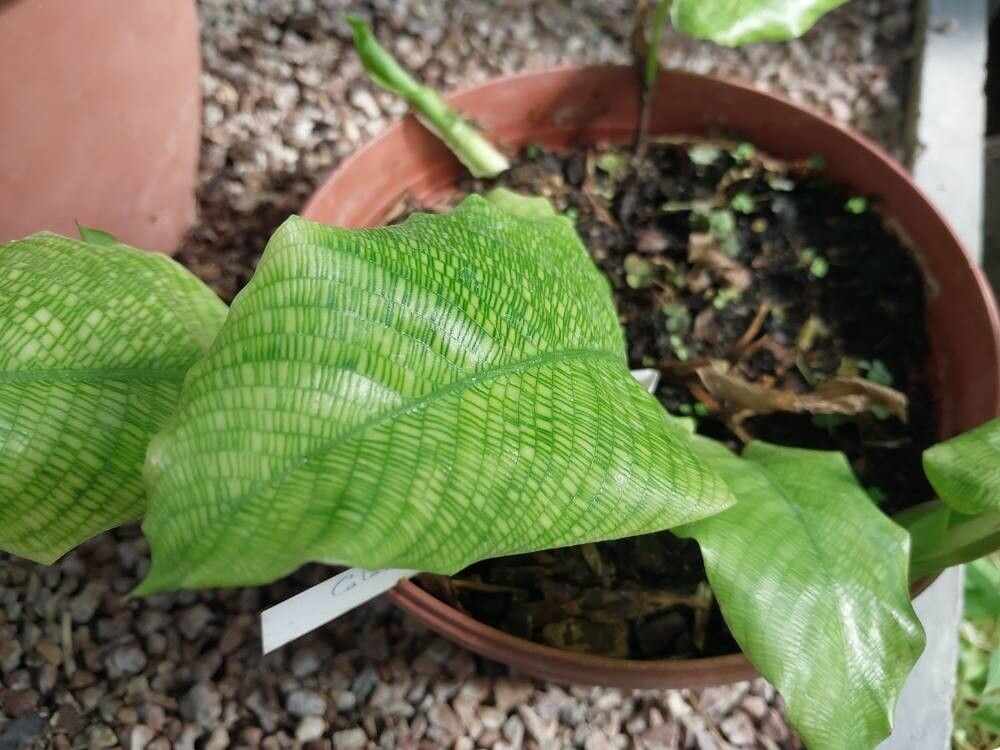
Hello there, fellow plant lovers! It’s so wonderful to have you joining me today. I’m absolutely thrilled to talk about a plant that’s stolen a little piece of my heart over the years: Goeppertia kegeljanii, often affectionately called certain types of Calathea by many of us. Those gorgeous, velvety leaves with their intricate patterns? Pure magic. They bring such a sense of calm and elegance to any space.
And you know what’s even more magical? Bringing more of that beauty into your home by propagating them yourself! It’s incredibly satisfying to watch a tiny cutting or division transform into a thriving new plant. Now, if you’re wondering if this is a beginner-friendly endeavor, I’d say Goeppertia kegeljanii is moderately challenging. It’s not as tricky as some delicate orchids, but it definitely appreciates a bit of gentle guidance. With a little know-how and patience, though, you’ll be well on your way to multiplying your collection.
The Best Time to Start
For the highest success, I always find that the late spring to early summer is the absolute sweet spot. This is when our Goeppertias are actively growing after their winter rest. The warmer temperatures and longer daylight hours really encourage healthy root development. You can also sneak in propagation during the late summer, but you might find things move a little slower. My rule of thumb is to propagate when the plant is looking its most vigorous.
Supplies You’ll Need
Here’s a little checklist to get you started. Having everything ready beforehand makes the whole process so much smoother:
- Sharp, clean pruning shears or a knife: Essential for making clean cuts to avoid tearing delicate tissues.
- Well-draining potting mix: I like to use a blend of peat moss or coco coir mixed with perlite or orchid bark. This ensures good aeration and prevents soggy soil, which is a go-to recipe for root rot.
- Small pots or propagation trays: Choose sizes appropriate for your cuttings; smaller is usually better to start.
- Clear plastic bags or a propagator lid: To create a humid environment around your cuttings.
- Optional: Rooting hormone: This can give your cuttings a little extra boost, especially if they’re a bit on the fussy side. I prefer the powdered kind.
- Watering can or spray bottle: For gentle watering.
Propagation Methods
Most Goeppertias, including kegeljanii, are best propagated through division. While stem cuttings can work, they are far more prone to failure and usually require very specific conditions to root. Division is hands-down the most reliable method for these beauties.
Here’s how I do it:
- Gently Remove from Pot: Carefully slide your Goeppertia out of its current pot. If it’s quite root-bound, you might need to gently squeeze the sides of the pot or even tap it out.
- Inspect the Root Ball: Now comes the fun part! Gently tease away some of the soil from the root ball. You’re looking for natural divisions in the plant – points where new stems are emerging from the established root system.
- Separate the Divisions: With clean hands or a clean tool (like a blunt chopstick or even the handle of your trowel), carefully start to separate the plant into smaller sections. Each section should have at least one healthy leaf and a good portion of roots. Don’t be afraid to gently pull them apart. If there are some stubborn roots holding them together, a clean knife or shears might be necessary, but always aim for the least invasive method possible.
- Pot Up Your New Plants: Take your new divisions and plant them in their own small pots filled with your well-draining potting mix. Plant them at the same depth they were previously growing.
- Water Gently: Water thoroughly but gently, ensuring the soil is evenly moist but not waterlogged.
The “Secret Sauce” (Pro Tips)
You know, after years of tinkering, I’ve picked up a few tricks that seem to make all the difference!
- Rhizome focus is key: When you’re dividing, pay close attention to the rhizomes. These are those thick, fleshy underground stems. Aim to have at least a portion of a healthy rhizome attached to each division. This is where the plant stores energy and has buds ready to sprout.
- Humidity is a non-negotiable: Goeppertias love humidity. After potting your divisions, immediately cover them with a clear plastic bag or place them in a propagator. This traps moisture and creates that greenhouse effect your new plant babies need to establish roots without drying out. Just make sure the leaves aren’t directly touching the plastic, as this can encourage rot.
- Warm toes help! I find that placing my potted divisions on a gentle heat mat can dramatically speed up root development. It mimics the warmth of tropical climates and gives the roots that extra encouragement they need to get going. Just make sure it’s a low setting; you don’t want to cook your plants!
Aftercare & Troubleshooting
Once your divisions are potted up and covered, patience is your best friend. Keep the soil consistently moist but not soggy. Place them in a spot with bright, indirect light. Avoid direct sun, as it can scorch those delicate new leaves.
How do you know they’re happy? You’ll start to see signs of new leaf unfurling! This is the ultimate reward.
Now, what if things go sideways? The most common issue is rot. If you notice mushy stems or leaves turning yellow and limp, it’s likely a sign of too much moisture and poor drainage. In this case, you might need to unpot your division, trim away any rotted parts (use clean shears!), and repot it in fresh, slightly drier, well-draining mix. Sometimes, despite our best efforts, a division just won’t make it, and that’s okay. Don’t let it discourage you!
A Encouraging Closing
Propagating Goeppertia kegeljanii is a journey, and like any good journey, it’s about the process as much as the destination. Be patient with your new plant babies. Give them time to adjust and grow. Enjoy the anticipation of seeing those first new leaves emerge. There’s a unique joy in nurturing a plant from a fragment to a full, glorious specimen. Happy propagating, and may your homes be filled with beautiful, multiplying Goeppertias!
Resource:
https://identify.plantnet.org/k-world-flora/species/Goeppertia%20kegeljanii%20(É.Morren)%20Saka/data