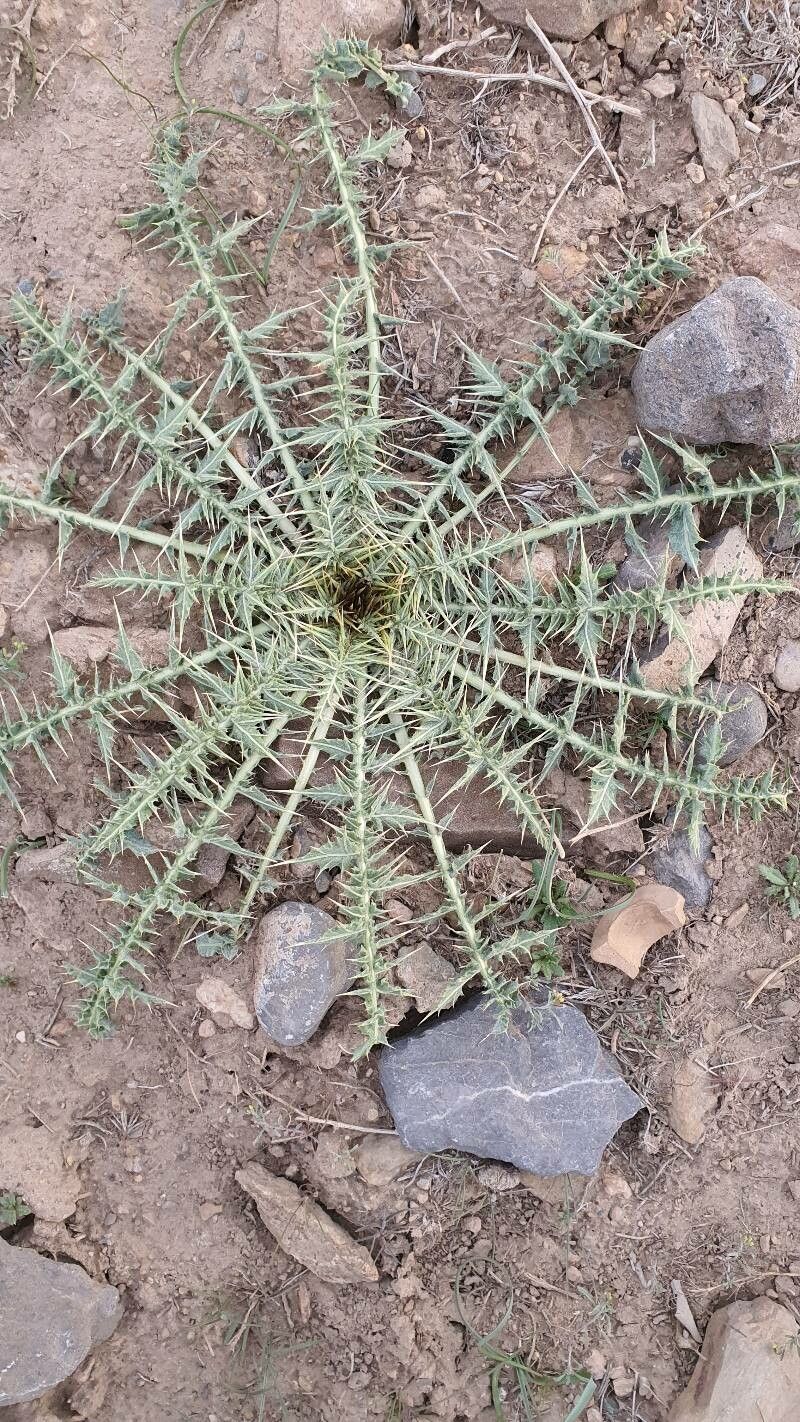
Hello fellow garden enthusiasts! Today, we’re diving into the wonderful world of propagating Echinops ceratophorus, also known as the Horned globe thistle. If you’re drawn to its striking architectural appeal and fuzzy, blue-grey globes, you’re in for a treat. Propagating this beauty yourself is incredibly rewarding. You get more of those fantastic blooms to dot your garden, and it’s a fantastic way to share a little bit of magic with friends. While it’s certainly not the trickiest plant to multiply, it does have its preferences. I’d say it’s a moderately easy plant for beginners, but with a little know-how, you’ll be a pro in no time!
The Best Time to Start
For the highest success rates with Echinops ceratophorus, late spring to early summer is your golden window. This is when the plant is actively growing and has plenty of energy to put into developing new roots. You’re looking for healthy, non-flowering stems that are about 4-6 inches long. Think about it – the plant is reaching its peak, so it’s primed for this kind of energetic endeavor.
Supplies You’ll Need
Here’s your essential toolkit for a successful propagation mission:
- Sharp, clean pruning shears or a sharp knife: Sterilize them with rubbing alcohol beforehand to prevent disease.
- Rooting hormone: While Echinops can often root without it, a little boost never hurts. Gel or powder works great.
- Potting mix: A well-draining mix is crucial. I like to use a blend of equal parts potting soil, perlite, and coarse sand. You can also find specific seed-starting or cutting mixes.
- Small pots or trays: Clean ones, of course! Small ones are perfect for individual cuttings.
- Plastic bags or propagation domes: To create a humid environment for your cuttings.
- Watering can with a fine rose or a misting bottle: For gentle watering.
- Labels and a permanent marker: To keep track of what you’ve planted and when.
Propagation Methods: Stem Cuttings
This is my favorite and most reliable method for Echinops. Here’s how we do it:
- Select Your Cuttings: Head out to your mature Echinops plant during the prime season. Look for healthy, upright stems that are pencil-thick and have not yet set flower buds.
- Make the Cut: Using your sterilized shears, make a clean cut just below a leaf node. A leaf node is where a leaf attaches to the stem. Aim for cuttings that are about 4-6 inches long.
- Prepare the Cuttings: Gently remove the lower leaves from the cutting, leaving just a couple at the very top. This helps prevent rot and focuses the plant’s energy on root development. If you have any very large leaves at the top, you can snip them in half to reduce water loss through transpiration.
- Apply Rooting Hormone: Dip the cut end of each prepared stem into your rooting hormone. Tap off any excess.
- Pot Them Up: Fill your small pots with your well-draining potting mix. Make a small hole in the center with your finger or a pencil.
- Insert the Cuttings: Gently insert the hormone-coated end of each cutting into the hole, ensuring the bottom leaf node is just below the soil surface. Firm the soil gently around the stem.
- Water and Cover: Water the pot lightly from the bottom or with a gentle spray. Then, cover the pot with a plastic bag or propagation dome to maintain high humidity. Make sure the plastic doesn’t touch the leaves if possible.
The “Secret Sauce” (Pro Tips)
Here are a few little tricks I’ve picked up over the years that can really boost your success:
- Don’t Overwater: I know I said to water, but this is critical. Overwatering is the quickest way to invite rot. The goal is consistently moist, not soggy soil. If you’re using a clear pot, you can often see if the soil is too wet at the bottom.
- Bottom Heat is Your Friend: While not strictly necessary for Echinops, placing your pots on a heat mat designed for propagation can significantly speed up root formation. It mimics the warmth of spring soil and gives roots an encouraging start.
- Be Patient with the Leaves: Sometimes, the top leaves might look a little wilted initially. This is normal as the cutting adjusts. Resist the urge to water excessively; trust that the humidity will keep them going until roots develop.
Aftercare & Troubleshooting
Once you start to see signs of new growth – tiny leaves emerging at the top or a gentle tug on the cutting meeting resistance – you’re on your way!
- Acclimatization: Gradually remove the plastic cover over a week or two to help your new plants get accustomed to normal humidity levels.
- Watering: Continue to water when the top inch of soil feels dry.
- Light: Place them in a bright spot, but avoid direct, intense sunlight until they are well-established.
- Troubleshooting: The most common issue is rot. If your cutting turns black and mushy, it’s likely gone. This is usually a sign of too much moisture or not enough air circulation. If you have multiple cuttings, remove the rotten one immediately to prevent it from spreading. Another sign of a failed cutting is if all the leaves dry up and fall off without any sign of root development.
A Little Encouragement
Propagating plants is a journey, and sometimes the journey has a few detours. Don’t be discouraged if not every cutting takes. Each attempt is a learning experience, and with a little practice and patience, you’ll soon be surrounded by your own thriving Echinops ceratophorus plants. Enjoy the process, and happy gardening!
Resource:
https://identify.plantnet.org/k-world-flora/species/Echinops%20ceratophorus%20Boiss./data