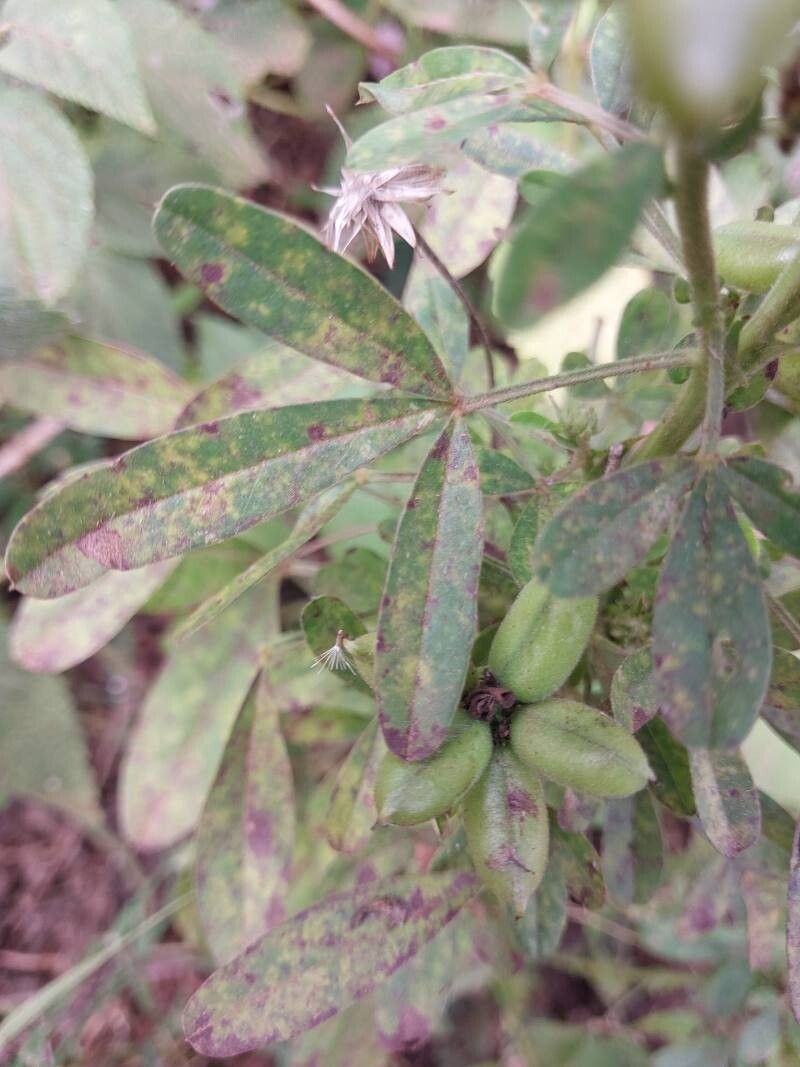
Hello there, fellow plant enthusiasts! It’s your garden friend here, ready to chat about a plant that truly brings a smile to my face: Crotalaria aculeata, also known as Green Trumpet Flower or Rattlepod. Those cheerful, vibrant yellow blooms, resembling little trumpets, are just delightful. And the best part? This beauty is surprisingly easy to propagate, making it a fantastic project for beginners and seasoned gardeners alike. Getting more of these stunners from just one plant is incredibly rewarding, and honestly, quite addictive!
The Best Time to Start
When it comes to giving your Crotalaria aculeata the best chance to flourish from cuttings, timing is everything. I always find the late spring or early summer to be the sweet spot. Our plants are usually in full swing of growth then, bursting with energy and ready to send out lots of new, healthy stems. This vigorous growth period means a higher success rate for rooting.
Supplies You’ll Need
Before we dive in, let’s gather our tools. Having everything ready makes the process so much smoother.
- Sharp Pruning Shears or Scissors: Clean cuts are key for healthy propagation.
- Rooting Hormone (Optional but recommended): A little boost can make a big difference. Powder or gel works well.
- Well-Draining Potting Mix: I like a blend of equal parts peat moss, perlite, and coarse sand. This ensures excellent aeration and prevents waterlogging.
- Small Pots or Seed Trays: Clean containers are a must to avoid disease.
- Plastic Bags or Clear Domes: To create a humid microclimate.
- Watering Can with a Fine Rose: For gentle watering.
- Labels: So you don’t forget what you planted where!
Propagation Methods
For Crotalaria aculeata, stem cuttings are my go-to method. It’s straightforward and yields excellent results.
- Select Your Cuttings: Look for healthy, non-flowering stems that are about 4-6 inches long. They should be flexible but not floppy – a stem that snaps easily isn’t ideal. Snip a cutting just below a leaf node (where a leaf attaches to the stem).
- Prepare the Cuttings: Gently remove the lower leaves from the cutting, leaving just a couple at the very top. If the leaves are large, I’ll sometimes cut them in half to reduce water loss.
- Apply Rooting Hormone (Optional): Dip the cut end of the stem into rooting hormone, tapping off any excess.
- Plant Your Cuttings: Fill your small pots with your prepared potting mix. Make a small hole in the center with your finger or a pencil. Insert the cut end of the stem into the hole, ensuring the nodes where you removed leaves are underground. Gently firm the soil around the cutting.
- Water and Cover: Water the potting mix thoroughly but gently. Then, cover the pot with a plastic bag or a clear dome to trap humidity, making sure the plastic doesn’t touch the leaves. You can use stakes to keep it tented if needed.
- Place in Indirect Light: Find a warm spot with bright, indirect light. Avoid direct sun, which can scorch your precious cuttings.
The “Secret Sauce” (Pro Tips)
Here are a couple of tricks I’ve picked up over the years that really help:
- Bottom Heat is Your Friend: If you have a seedling mat, popping your pots on top of it can significantly speed up rooting. The warmth encourages root development from below.
- Don’t Overwater! This is probably the most common mistake. Soggy soil is a recipe for rot. Let the top inch of soil dry out slightly between waterings. It’s better to err on the side of slightly too dry than too wet.
- Sterilize Everything: Before you start, give your pots, shears, and any tools a good scrub with hot, soapy water or a diluted bleach solution. This helps prevent any fungal or bacterial nasties from taking hold.
Aftercare & Troubleshooting
You’ll know your cuttings have rooted when you see new leaf growth or feel a slight resistance when you gently tug on the stem. This usually takes anywhere from 3-6 weeks, depending on the conditions. Once roots have formed, gradually acclimate them to normal humidity by propping the plastic cover open a little each day. Then, remove it entirely. Continue to keep them in bright, indirect light and water when the topsoil feels dry.
The most common issue you might encounter is rot. If your cuttings turn mushy or black, it’s a sign of too much moisture. Unfortunately, these are usually beyond saving. Prevention is key here – make sure that soil is nice and airy!
A Little Patience Goes a Long Way
Propagating plants is such a joyful process, and with Crotalaria aculeata, it’s a journey filled with promise. Be patient with your little green babies. Keep them cozy, give them good light, and try not to fuss too much. Soon enough, you’ll have a whole troop of these cheerful trumpet flowers to enjoy and share. Happy propagating!
Resource:
https://identify.plantnet.org/k-world-flora/species/Crotalaria%20aculeata%20De%20Wild./data