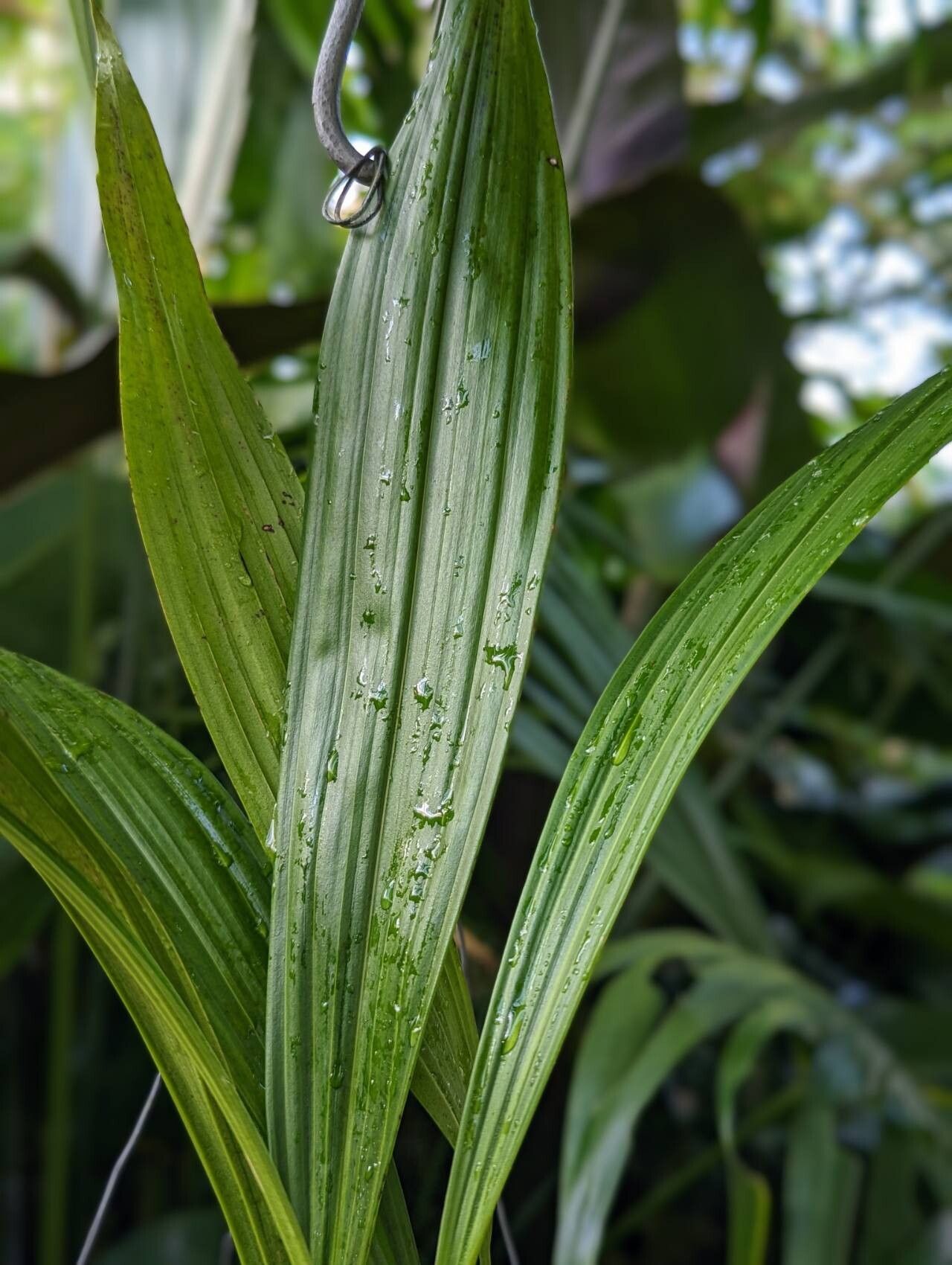
Oh, Coelogyne trinervis! If you haven’t had the pleasure yet, let me tell you, this orchid is a real beauty. Its delicate, sometimes fragrant, white to cream flowers with those distinctive three-veined petals are just absolutely charming. And the best part? Bringing more of these lovelies into your home by propagating them yourself is incredibly satisfying. Now, if you’re a brand new orchid grower, I wouldn’t say trinervis is the absolute easiest orchid to start with, but with a little care and patience, it’s certainly achievable and so worth the effort.
The Best Time to Start
For Coelogyne trinervis, the sweet spot for propagation is generally in the spring or early summer. This is when the plant is actively growing after its dormancy period. You’ll see new pseudobulbs and roots forming, which tells you the plant has the energy reserves it needs to put into creating new plantlets. Trying to propagate when the plant is resting or in the heat of summer can be a bit more of a struggle.
Supplies You’ll Need
Gathering your tools beforehand makes the whole process smoother. Here’s what you’ll want to have on hand:
- Sharp, sterilized pruning shears or a clean knife: For making clean cuts.
- Sphagnum moss: High-quality, long-fibered sphagnum is a lifesaver for orchids.
- Orchid bark mix: A good general orchid mix with perlite for drainage is ideal.
- Rooting hormone (optional but helpful): Especially for divisions that might be a little slow to start.
- Small pots or seedling trays: With good drainage holes!
- Worm castings or a very diluted orchid fertilizer: For a gentle nutritional boost later on.
- Spray bottle: For misting.
- Clear plastic bags or a small propagation box: To create a humid environment.
Propagation Methods: Let’s Get Our Hands Dirty!
For Coelogyne trinervis, the most reliable method is division. While you can sometimes find keikis (baby plants that grow on the mother plant), they’re not as commonly produced by trinervis as some other orchids. So, we’ll focus on division.
Here’s how I approach it:
Method: Division
- Inspect your plant: Gently remove your Coelogyne trinervis from its pot. You’re looking for distinct sections of the plant that have at least three healthy pseudobulbs and an active root system. If a section looks old, shriveled, or has no roots, it’s probably best to leave it for now.
- Make the cut: Using your sterilized shears or knife, carefully separate the sections. Try to cut between the pseudobulbs, ensuring each new division has a good amount of healthy roots attached. It’s okay if it’s a bit messy; just aim for clean separation.
- Trim any damaged roots: If you find any mushy or dried-out roots, trim them away with your sterile tool.
- Let the cuts heal: This is important! Place the divided sections in a dry, well-ventilated spot for a day or two. You want the cut surfaces to callus over and dry out to prevent rot.
- Potting up: Now, gently pot each division. I prefer using a mix of sphagnum moss and orchid bark. The moss helps retain humidity, which is crucial for new root development, while the bark ensures good aeration. Loosely pack the mix around the roots, making sure not to bury the pseudobulbs too deeply.
The “Secret Sauce” (Pro Tips)
Here are a few things I’ve learned over the years that can really make a difference:
- Don’t rush the rooting phase: After potting, be patient. New roots can take weeks, even months, to appear. Resist the urge to constantly fiddle with the plant or pull it out of the pot to check.
- Bottom heat is your friend: Coelogyne trinervis loves a little warmth from below. Placing your newly potted divisions on a seedling heat mat set to a gentle 70-75°F (21-24°C) can significantly speed up root and growth development. It mimics the warmth of tropical soils.
- Humidity, humidity, humidity: These orchids thrive in high humidity, especially when they’re trying to establish roots. I like to place my potted divisions in a propagation box or cover them loosely with a clear plastic bag with a few air holes. Mist the inside of the bag or box, but try to avoid getting the leaves constantly wet, as this can lead to fungal issues.
Aftercare & Troubleshooting
Once your divisions are potted and settled, the real work of nurturing them begins.
- Watering: Water sparingly at first. Let the potting medium dry out slightly between waterings. Water when the sphagnum moss starts to feel dry to the touch. Avoid letting them sit in soggy conditions, as this is a surefire way to invite root rot.
- Light: Place your new plants in a spot with bright, indirect light. No direct sun, please! Too much sun will scorch tender new growth.
- Feeding: After you see signs of new root growth (usually indicated by tiny green tips emerging), you can start feeding them with a very diluted orchid fertilizer or a touch of worm castings. Think a quarter-strength solution, and only every few weeks.
Now, about common problems. The biggest enemy for newly divided orchids is rot. If you see pseudobulbs starting to shrivel and turn black, or if you notice a foul smell coming from the pot, it’s a strong indicator of rot. This usually happens due to overwatering or poor air circulation. If you suspect rot, gently unpot the plant, trim away all affected parts, let it callus again, and repot in fresh, dry medium. Prevention is key, so always err on the side of under-watering new divisions.
A Encouraging Closing
So there you have it! Propagating your Coelogyne trinervis might take a little patience, but seeing those tiny roots emerge and new leaves unfurl is incredibly rewarding. Don’t be discouraged if your first attempt isn’t perfect; every gardener learns from experience. Just enjoy the process of watching these beautiful orchids grow under your care. Happy growing!
Resource:
https://identify.plantnet.org/k-world-flora/species/Coelogyne%20trinervis%20Lindl./data