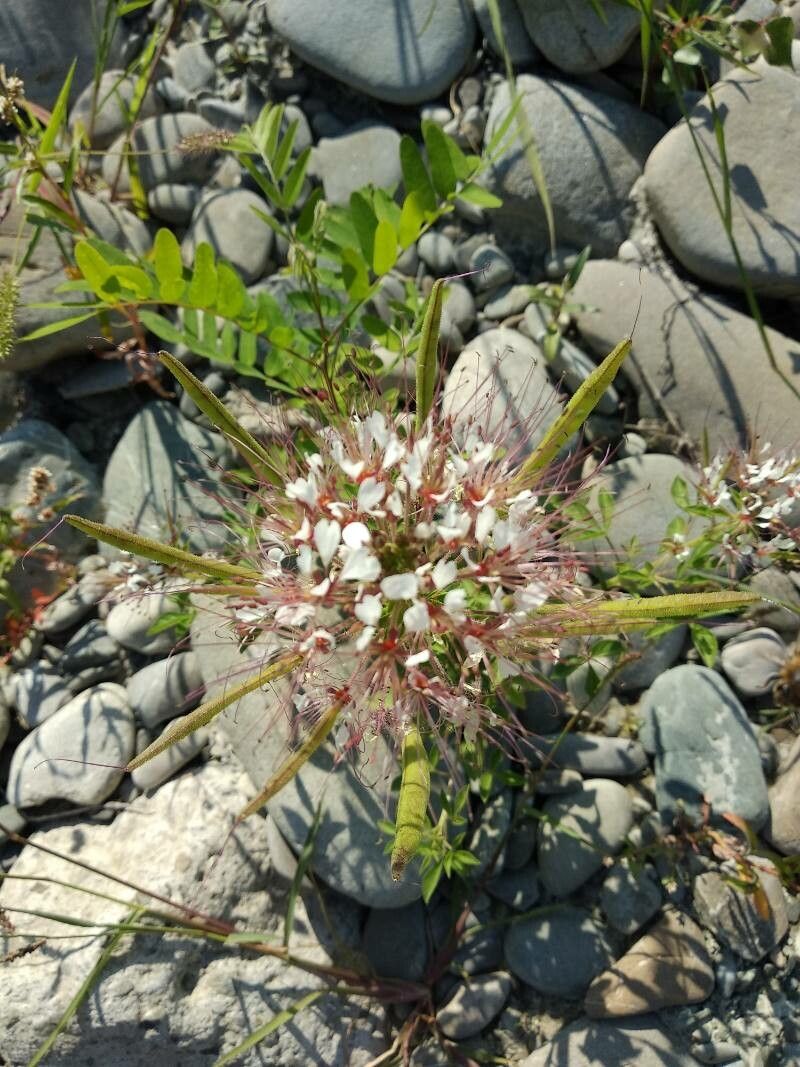
Oh, Cleome! Those spidery, elegant blooms are such a joy in the garden, aren’t they? They seem to dance on the breeze, and that delicate perfume on a warm evening… pure magic. If you’ve fallen for this beauty, why not grow more of them? Propagating Cleome dodecandra is a wonderfully rewarding experience, and honestly, it’s not as daunting as you might think. I find it a rather forgiving plant to work with, even for those just starting their propagation journey.
The Best Time to Start
For the highest success rate with Cleome, I always recommend starting in the late spring or early summer. This is when the plant is in its active growth phase. You’ll be able to gather healthy, non-woody stems that are eager to root. Waiting until the plant is really thriving gives you the best shot at quick and robust new growth.
Supplies You’ll Need
Here’s what you’ll want to have on hand before you begin:
- Sharp pruning shears or a clean knife: To make clean cuts.
- Seed-starting mix or a well-draining potting mix: Something light and airy is key. I often use a mix of peat moss, perlite, and a bit of compost.
- Small pots or seed trays with drainage holes: To give your cuttings a cozy home.
- Rooting hormone (optional but recommended): This can give your cuttings a helpful boost.
- Plastic bags or a propagator: To create a humid environment.
- Watering can with a fine rose: For gentle watering.
Propagation Methods
While you can grow Cleome from seed, I find stem cuttings to be the most satisfying and quickest way to get new plants. Here’s how I do it:
- Take Your Cuttings: On a bright, cool morning, select a vibrant, healthy stem from your mature Cleome. Look for a piece that’s at least 4-6 inches long and has plenty of healthy leaves. Using your sharp shears or knife, make a clean cut just below a leaf node (that’s the spot where a leaf grows from the stem).
- Prepare the Cuttings: Gently remove the lower leaves from the cutting, leaving just the top few leaves. If the leaves are quite large, I like to cut them in half to reduce water loss. Dip the cut end into your rooting hormone, tapping off any excess.
- Plant Your Cuttings: Moisten your seed-starting mix and fill your small pots or trays. Make a little hole in the center of the pot with your finger or a pencil. Carefully insert the prepared cutting into the hole, ensuring the leaf nodes are buried in the soil. Gently firm the soil around the stem.
- Create a Humid Environment: Water the soil gently. Then, cover the pots with a plastic bag or place them in a propagator. This traps humidity, which is crucial for cuttings to root. You can keep the bag propped open slightly with a few small sticks so it doesn’t touch the leaves.
The “Secret Sauce” (Pro Tips)
Here are a couple of little tricks that have always served me well:
- Don’t underestimate the power of bottom heat. If you have a heat mat designed for seedlings, placing your cuttings on it can significantly speed up rooting. It mimics the warmth of the soil in summer and really encourages those roots to get going.
- When you’re preparing your cuttings, avoid those woody, old stems. You want to propagate from the soft, new growth that’s actively producing energy. Think of it as taking a healthy, energetic baby shoot, not a saggy old branch.
Aftercare & Troubleshooting
Once your cuttings are planted, place them in a bright spot that gets indirect sunlight. Avoid direct sun, which can scorch those delicate leaves. Keep the soil consistently moist but not waterlogged. You should start to see signs of new growth within a few weeks, which is your cue that roots are forming!
The most common issue you might run into is rot. This usually happens if the soil is too wet or the humidity is too high without enough air circulation. If you see a cutting looking limp and blackening at the base, it’s likely rotten. Discard it immediately to prevent it from affecting other cuttings.
When you see that lovely new growth, it’s time to gradually acclimate your new plants to lower humidity. This means opening the plastic bag a little more each day over a week or so. Once they’re strong enough to be gently tugged on (they’ll resist!), they’re ready to be transplanted into their own small pots.
A Little Patience Goes a Long Way
Propagating plants is such a beautiful way to connect with nature and multiply the beauty in your garden. Embrace the process, enjoy the learning, and don’t be discouraged if not every cutting takes. Each attempt teaches you something new. Soon, you’ll have a whole host of these delightful Cleome plants to share! Happy propagating!
Resource:
https://identify.plantnet.org/k-world-flora/species/Cleome%20dodecandra%20L./data