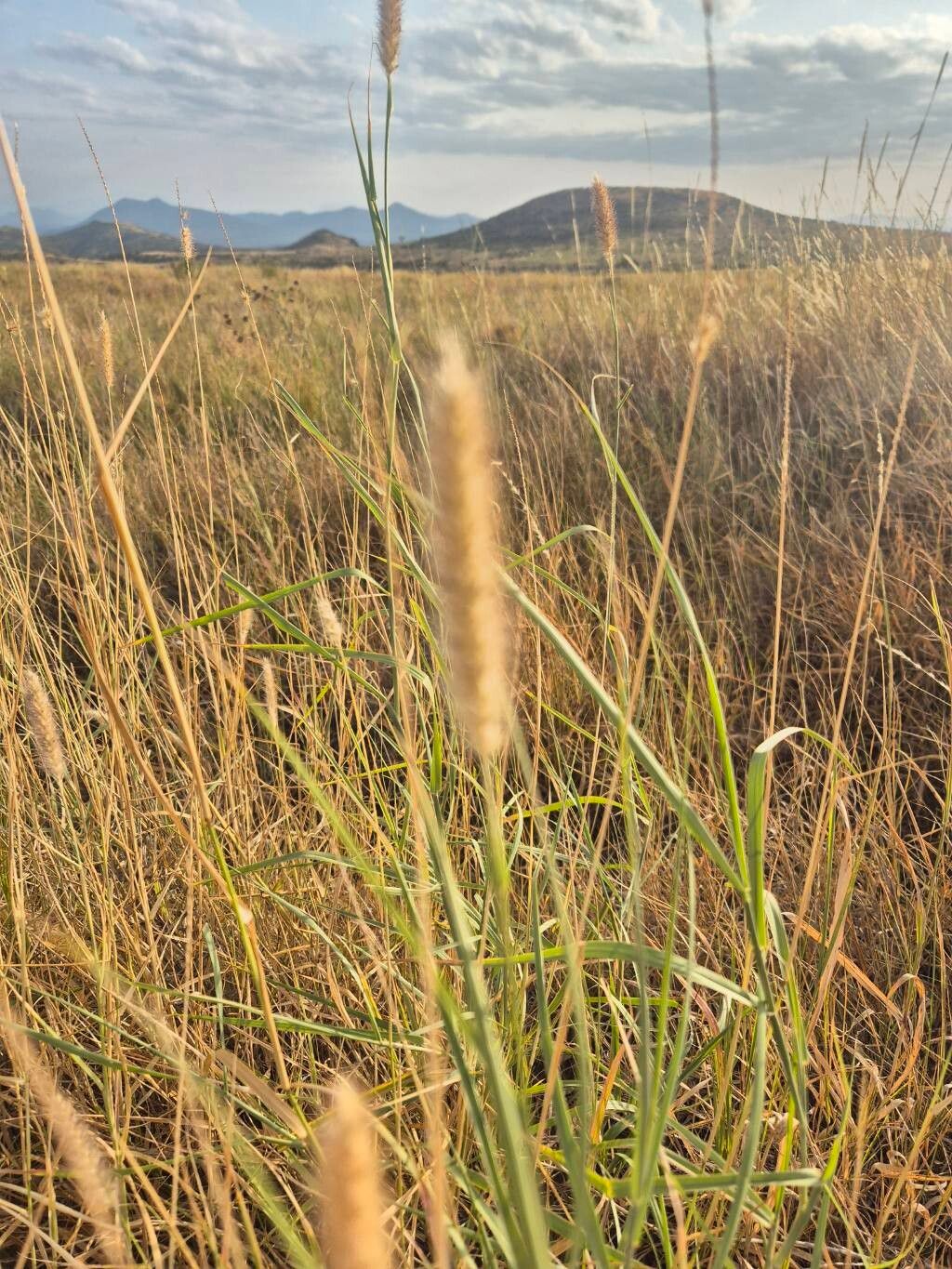
Hey there, fellow garden enthusiasts! I’m so excited to dive into a plant that’s been a favorite of mine for years: Cenchrus massaicus, also known as African fountain grass. If you’re looking for a plant that brings graceful movement and a touch of the exotic to your garden, this is it. Its feathery plumes nodding in the breeze are just pure magic. And the best part? Propagating it from an existing plant is a wonderfully rewarding experience. For beginners, I’d say Cenchrus massaicus is moderately easy to propagate, especially if you get the timing right. It’s a project that’s definitely within reach!
The Best Time to Start
When it comes to getting the most bang for your propagation buck, springtime is your best friend for Cenchrus massaicus. As the weather begins to warm up and your established plants are showing renewed vigor, that’s the perfect moment to take cuttings or divide clumps. You’re basically piggybacking on their natural growth spurt, which gives your new babies the best possible start. Aim for when new growth is actively emerging.
Supplies You’ll Need
Gathering your tools beforehand makes the whole process smoother. Here’s what you’ll want to have on hand:
- Sharp, clean pruning shears or a sharp knife: For making clean cuts.
- Sterilizing agent: Rubbing alcohol or a bleach solution (1 part bleach to 9 parts water) to clean your tools between cuts.
- Rooting hormone (optional but recommended): A powdered or liquid form can give those cuttings a boost.
- Well-draining potting mix: A blend of perlite, coco coir, and a bit of compost works wonders. Avoid heavy, dense soils.
- Small pots or trays: With drainage holes, of course!
- Clear plastic bags or a propagation dome: To maintain humidity around your cuttings.
- Watering can or spray bottle: For gentle watering.
Propagation Methods
Cenchrus massaicus is quite amenable to propagation by division, and you can also have success with stem cuttings, though division is generally more straightforward for this grass.
Method 1: Division
This is my go-to for African fountain grass. It’s like giving your existing plant a refresh and getting new ones for free!
- Dig Up Your Plant: Gently excavate your mature Cenchrus massaicus plant. Try to get as much of the root ball as possible. You might need a garden fork to loosen the soil around it first.
- Clean the Roots: Gently brush away excess soil from the roots. This lets you see where the natural divisions are.
- Divide the Clump: Using your hands, a shovel, or even two hand trowels pushed back-to-back, carefully separate the plant into smaller sections. Each section should have plenty of healthy roots and at least a few shoots or stems. Don’t be afraid to be a little firm, but also be mindful of not being too rough with the roots.
- Inspect and Trim: Remove any dead or damaged roots or foliage.
- Replant Immediately: Plant your new divisions into their prepared pots or directly into your garden bed (if the weather is suitable). Make sure they are planted at the same depth they were growing before. Water them in well.
Method 2: Stem Cuttings (Slightly More Advanced)
While division is often easier, cuttings can work well if you have a vigorous plant.
- Take Cuttings: In spring, select a healthy, non-flowering stem. Using your clean pruning shears, make a cut just below a leaf node (where the leaf joins the stem). Aim for cuttings that are about 4-6 inches long.
- Prepare the Cutting: Gently remove the lower leaves from the cutting, leaving just a couple of sets at the top. This helps prevent disease and encourages root development.
- Apply Rooting Hormone (Optional): Dip the cut end into rooting hormone, tapping off any excess.
- Pot Up: Fill your small pots with your well-draining potting mix. Make a hole in the center of the soil with your finger or a pencil.
- Insert the Cutting: Place the cut end of the stem into the hole, ensuring the leaf nodes are buried. Gently firm the soil around the stem.
- Water Gently: Water the soil lightly.
- Create a Humid Environment: Cover the pot with a clear plastic bag, taping it to the rim, or place it under a propagation dome. This keeps the humidity high, which is crucial for cuttings to root.
The “Secret Sauce” (Pro Tips)
Here are a few things I’ve learned over the years that can really make a difference:
- Don’t Over-Complicate the Soil: For Cenchrus massaicus, a simple mix that drains exceptionally well is key. Anything too moisture-retentive is the enemy. Think of it as giving them a very comfy, airy bed.
- Bottom Heat is Your Friend for Cuttings: If you’re trying stem cuttings and want to speed things up or improve your success rate, placing the pots on a gentle heating mat specifically designed for propagation can work wonders. It encourages those roots to form much faster. Just a low, steady warmth is all they need.
- Observe Your Cuttings – Don’t Peek Too Much! I know it’s tempting, but resist the urge to constantly lift the plastic bag or dome. Let them settle in. You’ll start to see signs of life, like new tiny leaves emerging, when they’re ready.
Aftercare & Troubleshooting
Once you see roots forming (you can gently tug on a cutting to feel resistance, or if you used clear pots, you might see them), it’s time to adjust their care.
- Acclimatize: Gradually introduce your new plants to less humid conditions. Start by opening the plastic bag for a few hours each day, then removing it completely.
- Watering: Water when the top inch of soil starts to feel dry. They’ll need consistent moisture but dislike soggy feet.
- Light: Give them bright, indirect light. Direct, hot sun can scorch young plants.
- Troubleshooting: The most common issue you’ll face is rot, especially with cuttings if the environment is too wet and not airy enough. If a cutting turns black or mushy, it’s best to discard it and learn from the experience. For divisions, if you see widespread wilting that doesn’t improve with watering, it could indicate root damage or stress. Ensure good drainage and give them time.
A Encouraging Closing
Propagating Cenchrus massaicus is such a fulfilling way to expand your garden and share the beauty of this stunning grass. Be patient with the process; sometimes nature works on its own timeline. Enjoy the journey of nurturing these new plants from little bits into something magnificent. Happy gardening!
Resource:
https://identify.plantnet.org/k-world-flora/species/Cenchrus%20massaicus%20(Stapf)%20Morrone/data