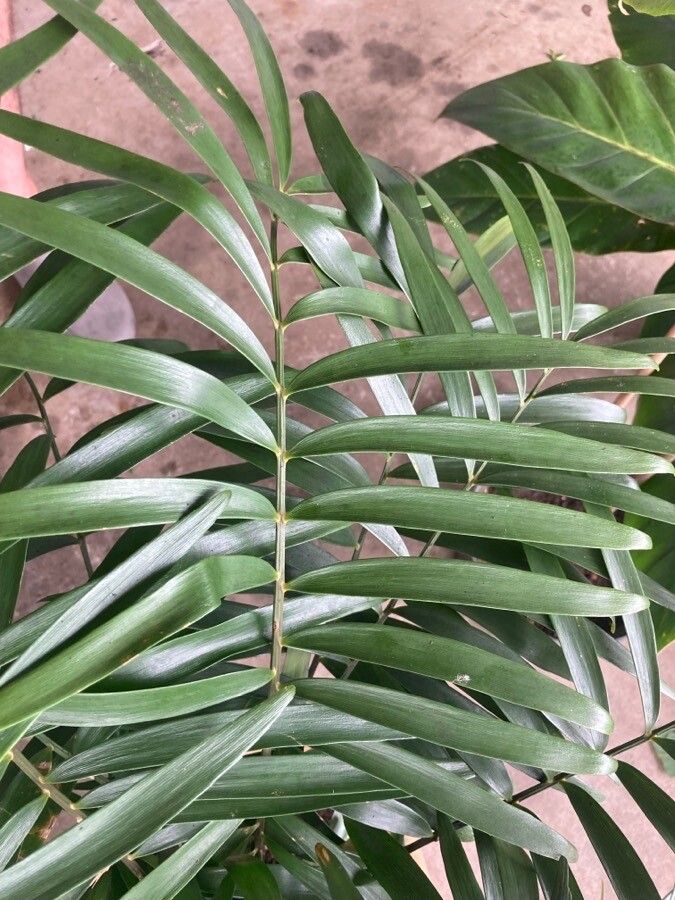
Oh, Zamia erosa! What a fascinating plant to bring into your garden or collection. These cycads, with their bold, architectural fronds, have a prehistoric charm that always makes me smile. Propagating them is a wonderful way to multiply that beauty, and honestly, it’s a deeply satisfying endeavor. While they’re not as common as, say, a pothos, I find Zamia erosa to be moderately straightforward for those willing to pay a little attention. You can definitely do this!
The Best Time to Start
For Zamia erosa, the sweet spot for propagation is definitely during their active growing season. Think late spring through early summer. This is when the plant has plenty of energy reserves to put into new growth and root development. Starting too early in spring, before things warm up consistently, or too late in the fall, as growth slows down, can make it an uphill battle.
Supplies You’ll Need
Gathering your tools beforehand makes the whole process smoother. Here’s what I usually have on hand:
- Sharp, clean pruning shears or a sterile knife.
- Rooting hormone (a powder or gel, I prefer a powder for ease of use).
- Well-draining potting mix. A good blend for me is coarse sand, perlite, and a bit of coco coir – roughly equal parts. You want it to dry out fairly quickly.
- Small pots or containers that have drainage holes.
- Labels for marking your new babies!
- Optional: A heat mat can be a game-changer, especially if your propagation space tends to be cooler.
Propagation Methods
Zamia erosa can be a bit stubborn, so division is often your most reliable method for getting new plants. Cuttings can work, but they require extra patience.
Method 1: Division (My Preferred Method)
This is how I’ve had the most success with Zamia erosa. They often form pups, or offsets, around the base of the main plant.
- Gently unpot your mature Zamia erosa. Try not to disturb the root ball too much.
- Inspect the base of the plant carefully. You’re looking for smaller plants that have emerged from the main caudex (the stem-like structure).
- Identify a pup that has its own set of roots. If it doesn’t have many roots yet, it can still be a good candidate, but it will take longer to establish.
- Carefully separate the pup from the mother plant. Use your sterilized knife or shears to cut cleanly through any connecting tissue. If the pup has good roots, try to keep as many of them intact as possible.
- Allow the cut surface to callus over for a day or two in a warm, dry, well-ventilated spot. This helps prevent rot.
- Pot the new pup in your well-draining potting mix. Plant it deep enough so it feels stable but don’t bury the base of the fronds.
- Water sparingly initially. You want the soil to be barely moist. Overwatering at this stage is a quick way to invite rot.
Method 2: Stem Cuttings (Requires Patience!)
This method is for when you don’t have pups, or you want to try propagating from a piece of the stem itself.
- Take a cutting. Using your sterile shears, cut a section of the stem that is at least a few inches long. Ideally, it should have a leaf or two attached.
- Remove lower leaves if any are present, leaving just the top few.
- Dust the cut end generously with rooting hormone. Make sure it’s fully coated.
- Plant the cutting in your well-draining potting mix. It needs to be deep enough to stand upright.
- Water lightly and place it in a warm spot with bright, indirect light.
The “Secret Sauce” (Pro Tips)
After years of pampering these plants, I’ve picked up a few tricks:
- Don’t be afraid of a little dust! For division, I sometimes let the newly separated pup sit exposed to the air for a day or two. This helps that cut surface dry out, forming a protective callus. It sounds counterintuitive, but it really helps prevent rot setting in later.
- Bottom heat is amazing. If you’re doing stem cuttings, getting a young plant’s roots warm from below (around 70-75°F or 21-24°C) encourages root formation like nothing else. A simple seedling heat mat works wonders here.
- Patience is paramount. Zamia erosa are slow growers. Don’t get discouraged if you don’t see significant new growth right away. New roots form under the surface, often before you see much happening above ground.
Aftercare & Troubleshooting
Once your cutting or division shows signs of life – a tiny new frond unfurling or a gentle tug on the pot revealing resistance (roots!) – you can gradually increase watering.
- Water when the top inch or two of soil feels dry. Always ensure good drainage.
- Gradually introduce more light as the plant becomes established.
- Watch for rot. This is the most common enemy. If you see a cutting turning black and mushy, or a division’s base softening and smelling off, it’s likely rot. Unfortunately, it’s often a lost cause. Prevention is key: good drainage and a light hand with the water are your best defenses.
A Gentle Encouragement
Propagating Zamia erosa is a journey, and like all good journeys, it’s best savored. Don’t get discouraged if your first attempt doesn’t go perfectly. Every plant is a learning experience, and the joy of watching a new cycad slowly unfurl its leaves is absolutely worth the effort. Be patient, be observant, and enjoy the process of bringing more of these ancient beauties into your world!
Resource:
https://identify.plantnet.org/k-world-flora/species/Zamia%20erosa%20O.F.Cook%20&%20G.N.Collins/data