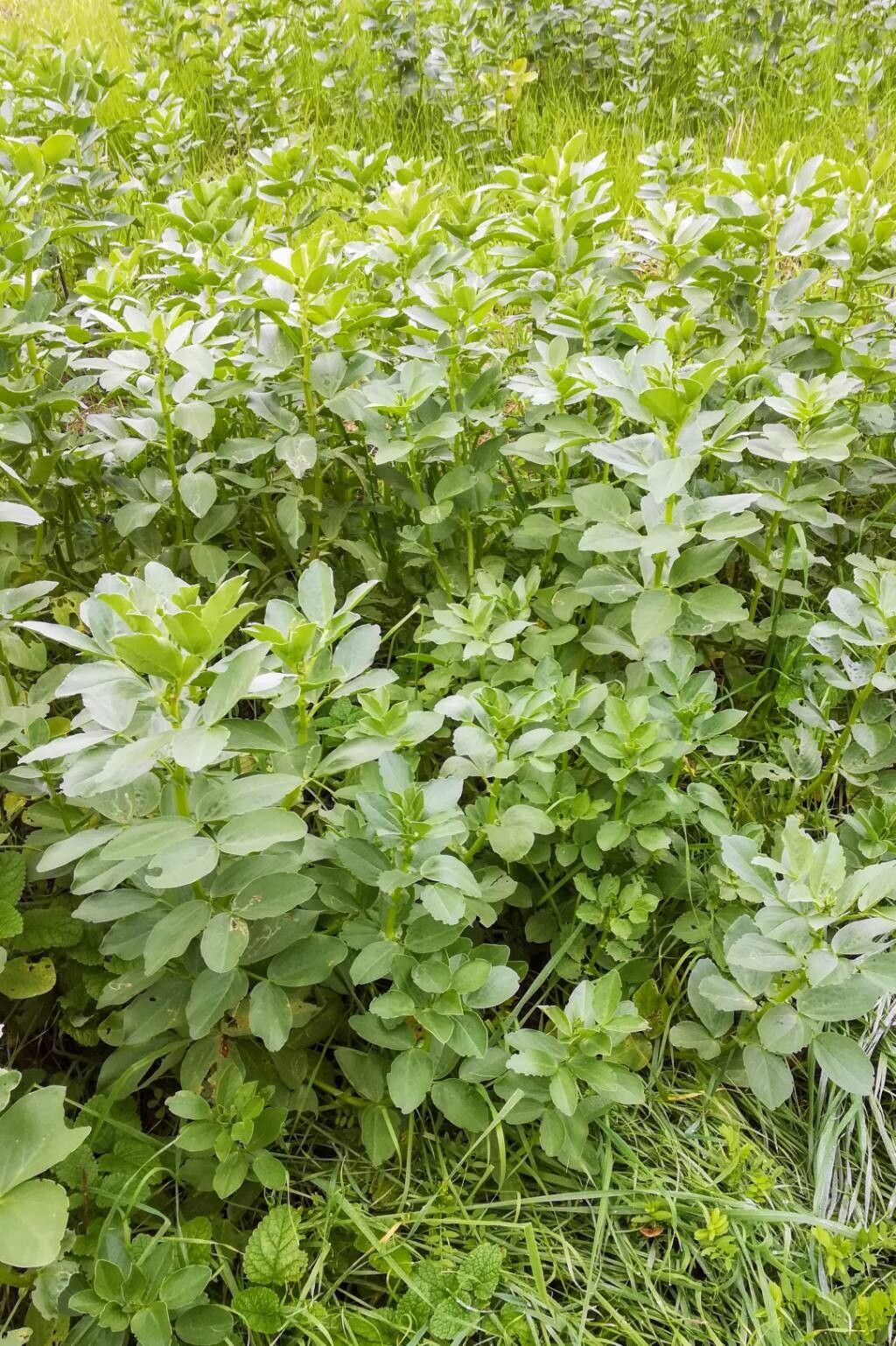
Oh, hello there, fellow garden enthusiast! I’m so delighted you’re here to chat about Vicia faba – that’s broad beans to most of us. They’re such a wonderfully satisfying plant to grow. Who can resist those plump, delicious beans or their charmingly upright growth? For me, propagating them is like making new friends for my garden, and honestly, it’s not a difficult journey at all. Even if you’re just dipping your toes into the world of gardening, you’ll find this a very forgiving plant to work with.
The Best Time to Start
When it comes to broad beans, the best time to get your propagation party started is generally in the early spring. Think of it as giving them a head start before the real heat of summer kicks in. You can also try for an autumn sowing, especially in milder climates, which can give you an earlier harvest. You’re looking for cool, moist soil conditions for the best germination rates.
Supplies You’ll Need
Gathering your tools makes the whole process smoother. Here’s what I usually have on hand:
- Sharp secateurs or pruning shears: For clean cuts.
- Sterile seed trays or small pots: To give your new plants a cozy start.
- A good quality seed compost mix: Something that drains well but holds a little moisture.
- Gravel or perlite: For added drainage in your pots.
- Watering can with a fine rose: To avoid disturbing delicate seeds or seedlings.
- Small labels: So you know what’s what!
Propagation Methods
Now, for the fun part! Broad beans are most commonly and easily propagated from seed, which is incredibly rewarding.
- From Seed (The Tried and True Method):
- Prepare your pots: Fill your seed trays or individual pots with your seed compost. Make sure it’s lightly firmed down but not compacted.
- Sow the seeds: You’ll want to sow your broad bean seeds about 2-3 cm deep. Space them out nicely in your trays, or place one per small pot. They can be sown directly into their final growing position outdoors too, if the soil is ready.
- Water gently: Give them a good, gentle watering. You want the soil to be moist, but not waterlogged.
- Provide warmth and light: Most broad bean seeds germinate best with a bit of warmth, around 15-20°C (60-70°F). Place your trays in a greenhouse, cold frame, or a bright windowsill.
- Watch and wait: You should see little green shoots emerging within 7-14 days, depending on the temperature and variety.
The “Secret Sauce” (Pro Tips)
Here are a couple of little things I’ve learned over the years that can give you an extra edge:
- Soak those seeds! Before sowing, I often soak my broad bean seeds in lukewarm water for about 12-24 hours. This helps to soften the seed coat and can significantly speed up germination. It’s like giving them a gentle nudge to wake up!
- Don’t overcrowd: While it might seem like a good idea to pack in as many seeds as possible, give them room to breathe. Overcrowding can lead to weaker seedlings and an increased risk of disease. Good air circulation is key.
Aftercare & Troubleshooting
Once your seedlings have emerged and developed a couple of true leaves, you can think about hardening them off. This means gradually getting them used to outdoor conditions over a week or two before planting them out permanently.
If you’re transplanting seedlings, do it on a cool, overcast day if possible to reduce stress. Water them in well and keep them consistently moist, especially during dry spells.
What if things go wrong? The most common issue you might encounter is damping off, where seedlings suddenly wilt and rot at the soil line. This is usually caused by overwatering and poor air circulation. If you see this, remove the affected seedlings immediately and try to improve drainage and ventilation. Leggy seedlings, which grow tall and spindly, are often a sign they’re not getting enough light. Try to provide more sunshine or artificial light if you’re starting them indoors.
A Encouraging Closing
And there you have it! Propagating broad beans is a truly satisfying endeavor. It’s about patience and observation, and the reward of growing your own delicious food is just immense. Don’t be afraid to experiment, and most importantly, enjoy the process. Happy gardening!
Resource:
https://identify.plantnet.org/k-world-flora/species/Vicia%20faba%20L./data