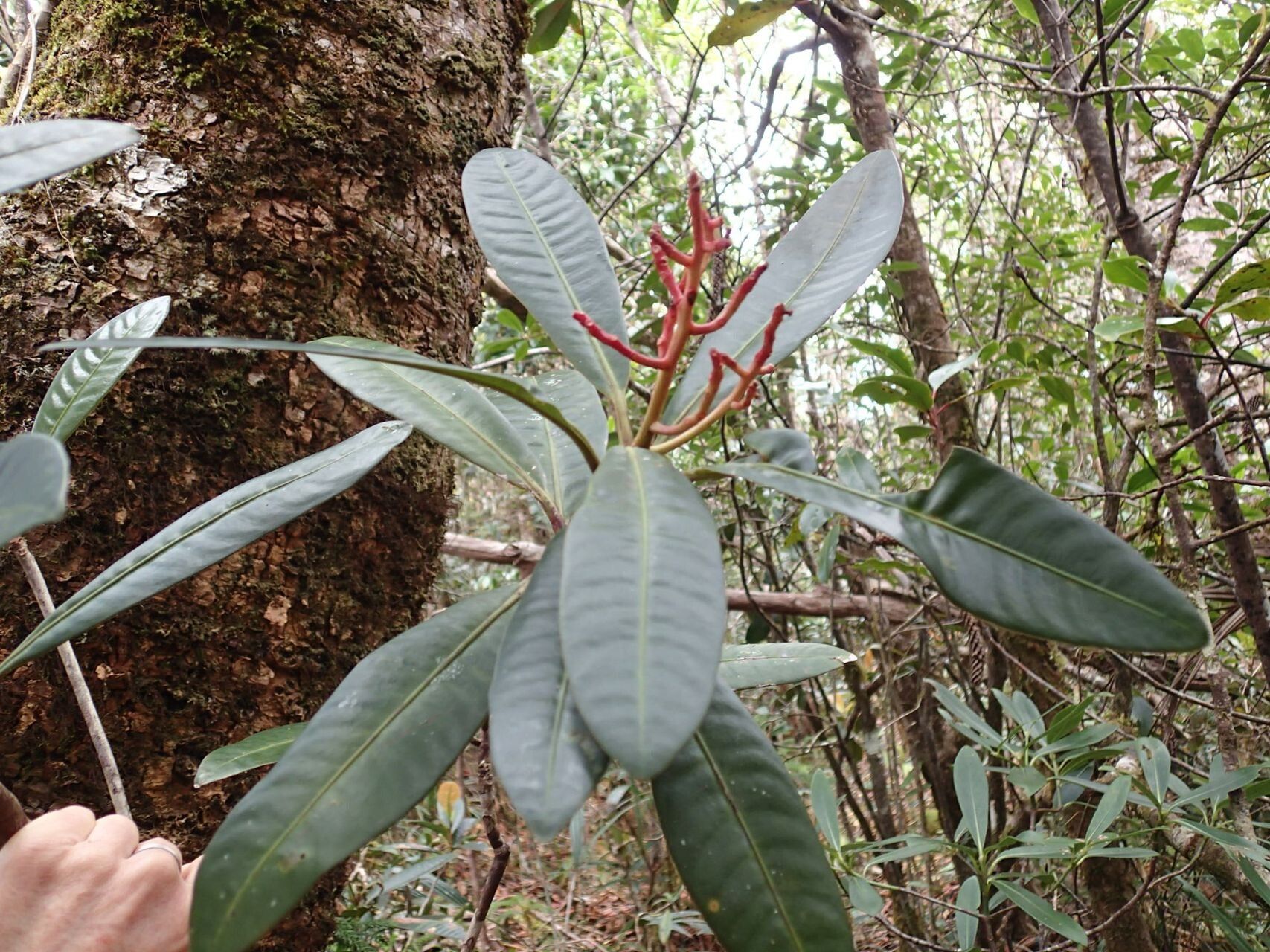
Hello fellow plant lovers! Today, we’re diving into the wonderful world of propagating Tapeinosperma rubidum. This gorgeous shrub, with its vibrant ruby-red new growth and delicate, sometimes fragrant, flowers, is a real showstopper. Getting more of these beauties from a single plant is incredibly satisfying, like giving the gift of green to yourself (and maybe a few friends!). If you’re new to propagation, I find Tapeinosperma rubidum to be a wonderfully cooperative plant. With a little attention, you’ll be well on your way.
The Best Time to Start
For the highest success rate, I aim to take cuttings in late spring or early summer. This is when the plant is actively growing, and the young, flexible stems have plenty of energy to put into forming roots. You want to select stems that are neither brand new and soft nor old and woody. Think of it as the “just right” stage, like a perfectly ripe peach!
Supplies You’ll Need
Here’s what I always have on hand when I’m ready to get propagating:
- Sharp pruning shears or a clean, sharp knife: For making clean cuts. This is vital to prevent disease.
- Rooting hormone (optional but recommended): Look for one specifically for stem cuttings.
- Potting mix: A well-draining mix is absolutely key. I usually blend equal parts perlite, sphagnum moss, and a good quality potting soil.
- Small pots or trays: With good drainage holes, of course.
- Plastic bags or a propagation dome: To create a humid environment.
- Spray bottle: For misting.
- Labels: You’ll want to know what you’ve propagated!
Propagation Methods
My go-to method for Tapeinosperma rubidum is stem cuttings. It’s reliable and gives you the best chance of success.
- Select Your Cuttings: Go to your healthy Tapeinosperma rubidum and find those perfect stems. Look for pieces that are about 4-6 inches long. You want to see a few sets of leaves along the stem.
- Make the Cut: Using your clean shears or knife, take a clean, diagonal cut just below a leaf node (where a leaf attaches to the stem). This is where the magic happens for root formation!
- Prepare the Cutting: Gently remove the lower leaves, leaving just a few at the very top. This prevents them from rotting when you place the cutting in the soil. If the remaining leaves are very large, you can even cut them in half horizontally to reduce water loss.
- Dip in Rooting Hormone (Optional): If you’re using rooting hormone, dip the cut end of the stem into the powder or gel, tapping off any excess.
- Plant Your Cuttings: Fill your small pots or trays with your prepared potting mix. Make a small hole in the center of the soil with your finger or a pencil. Gently insert the cut end of the Tapeinosperma rubidum cutting into the hole, ensuring the nodes where you removed the leaves are buried. Firm the soil around the base of the cutting.
- Water Gently: Water the soil thoroughly but gently. You don’t want to dislodge your cuttings.
- Create Humidity: Cover the pot or tray with a plastic bag or propagation dome. If using a bag, you can secure it around the pot with a rubber band, making sure the leaves aren’t touching the plastic. This trapped humidity is crucial for the cuttings while they develop roots.
The “Secret Sauce” (Pro Tips)
Here are a couple of things I’ve learned over the years that really boost my propagation success:
- Bottom Heat is Your Friend: If you have a heat mat designed for seedlings or cuttings, place your pots on it. This gentle warmth encourages root development from below, much like the sun warming the earth. It makes a surprising difference!
- Don’t Let Leaves Drip Dry: While humidity is good, stagnant, overly wet conditions can lead to rot. If you see condensation building up heavily inside your plastic cover, open it up for a few hours each day to allow for some air circulation.
Aftercare & Troubleshooting
Once your Tapeinosperma rubidum cuttings have taken root (this can take anywhere from 4-8 weeks, so be patient!), it’s time for a bit more attention.
- Check for Roots: Gently tug on a cutting. If you feel resistance, you’ve got roots! You can also look for tiny roots emerging from the drainage holes.
- Gradual Acclimation: Once rooted, slowly acclimate your new plant to less humid conditions. Start by removing the plastic cover for longer periods each day.
- Potting Up: When your new plant has a good root system and a few new leaves, it’s ready to be moved into a slightly larger pot with fresh, good-quality potting soil.
- Signs of Trouble: The most common issue is rot. If your cutting looks mushy, black, or slimy, it’s likely rotted. This is usually due to overwatering or insufficient air circulation. Discard the rotted cutting and evaluate your conditions. Yellowing leaves can also indicate too much or too little water, or sometimes insufficient light.
A Little Patience Goes a Long Way
Propagating plants is such a rewarding journey. It teaches you a lot about plant growth and patience. Don’t be discouraged if your first few attempts aren’t perfect. Every plant and every cutting has its own story. Keep trying, observe your new babies, and enjoy the magic of watching them grow into their own healthy, vibrant selves! Happy propagating!
Resource:
https://identify.plantnet.org/k-world-flora/species/Tapeinosperma%20rubidum%20Mez/data