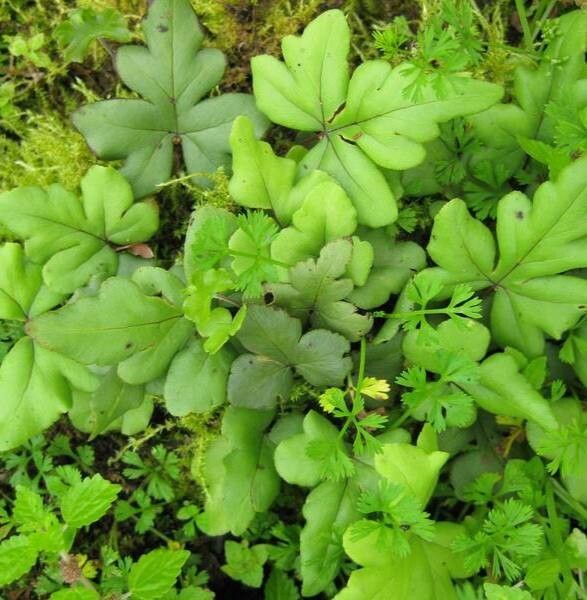
Hello, fellow garden enthusiasts! It’s so lovely to connect with you again. Today, I want to chat about a fern that has captured my heart over the years: Polypodium hesperium, or as it’s often called, the Western Sword Fern. This beauty brings such a lush, verdant touch to shady corners, with its graceful fronds unfurling like elegant green swords. Propagating it yourself is wonderfully rewarding, giving you more of this charm for your garden or to share with friends.
Now, don’t let the idea of propagating ferns intimidate you. While some can be fussy, Polypodium hesperium is surprisingly forgiving, making it a fantastic choice even for those new to propagation. You’ll feel a real sense of accomplishment seeing your efforts flourish.
The Best Time to Start
For the highest success rate with Western Sword Fern, late spring to early summer is your golden window. This is when the plant is actively growing after its winter dormancy. Look for new fronds emerging from the rhizomes. Starting your propagation during this active growth phase means your cutting or division will have plenty of energy to establish itself.
Supplies You’ll Need
Gathering your tools beforehand makes the whole process smoother. Here’s what I keep handy:
- Sharp, clean pruning shears or a sterile knife: For making clean cuts and preventing disease.
- Potting mix: A well-draining mix is crucial. I like a blend of good quality potting soil with perlite or orchid bark to improve aeration.
- Small pots or containers: With drainage holes! This is non-negotiable.
- Rooting hormone (optional but helpful): For cuttings, this can give them a little boost.
- Watering can or spray bottle: To keep things consistently moist.
- Labels: To keep track of what you’ve propagated and when!
- A tray: To catch excess water and keep your workspace tidy.
Propagation Methods
There are a couple of ways to multiply your Polypodium hesperium, and both can be quite successful.
1. Division of Rhizomes
This is my absolute favorite and often the easiest method for this fern. Polypodium hesperium spreads by underground stems called rhizomes.
- Gently remove your fern from its pot. If it’s in the ground, carefully dig around the root ball.
- Inspect the rhizomes. These are the thick, fleshy stems that grow horizontally on or just below the surface. You’ll likely see new growth points emerging from them.
- Using your clean shears or knife, carefully divide the rhizome. Aim for sections that have at least one or two healthy fronds and some visible roots attached to the rhizome. Don’t be afraid to be a little firm; these rhizomes are quite sturdy.
- Pot up each division. Place each section in its own pot filled with your well-draining potting mix. Plant the rhizome so that it’s just covered by soil, with the fronds emerging above.
- Water thoroughly.
2. Stem Cuttings from Rhizomes
You can also take cuttings from the rhizomes. This is a good option if you have a particularly vigorous plant and want to maximize your propagation efforts.
- Identify a healthy rhizome. Look for a section that has at least one growth bud or a small frond emerging.
- Cut a section of rhizome that is about 2-3 inches long. Make sure your tool is very clean!
- If using rooting hormone, dip the cut end of the rhizome into it. Gently tap off any excess.
- Plant the cutting. Insert the cut end into your potting mix, burying it about an inch deep. You can plant several cuttings in the same pot, spaced a few inches apart. Ensure the growth bud is pointing upwards.
- Water gently.
The “Secret Sauce” (Pro Tips)
Here are a few things I’ve learned over the years that really make a difference:
- Don’t let your cuttings or divisions sit out in the air for too long. Once you’ve made your cuts, get them into soil or water (for division) as quickly as possible to prevent them from drying out.
- Consider bottom heat for cuttings. If you’re trying the cutting method and want to speed things up, placing your pots on a propagation mat can provide gentle warmth, encouraging root development.
- When dividing, look for natural separation points. Often, the rhizomes will have sections that are a bit thinner, almost like a natural joint. These are ideal places to make your clean break.
Aftercare & Troubleshooting
Once your fern divisions or cuttings are in their new homes, the key is consistent care.
- Keep the soil consistently moist, but not waterlogged. This is where that well-draining mix really pays off. A good test is to stick your finger about an inch into the soil. If it feels dry, it’s time to water.
- Provide bright, indirect light. Avoid direct sunlight, which can scorch those delicate new fronds. A north-facing window or a spot under a larger shrub is perfect.
- Be patient! It can take several weeks for new roots to establish. You’ll know they’re settling in when you see new frond growth emerging.
- Watch out for rot. The most common problem is the cutting or division becoming mushy and black. This is usually a sign of too much moisture and poor drainage. If you see this, remove the affected part immediately and ensure your soil is draining freely.
A Warm Encouragement
Propagating Polypodium hesperium is a wonderful way to connect with nature and fill your garden with more of its serene beauty. Don’t be discouraged if your first attempt isn’t perfect. Every gardener learns through observation and a little trial and error. Enjoy the process, revel in the anticipation, and celebrate every new frond that unfurls. Happy gardening!
Resource:
https://identify.plantnet.org/k-world-flora/species/Polypodium%20hesperium%20Maxon/data