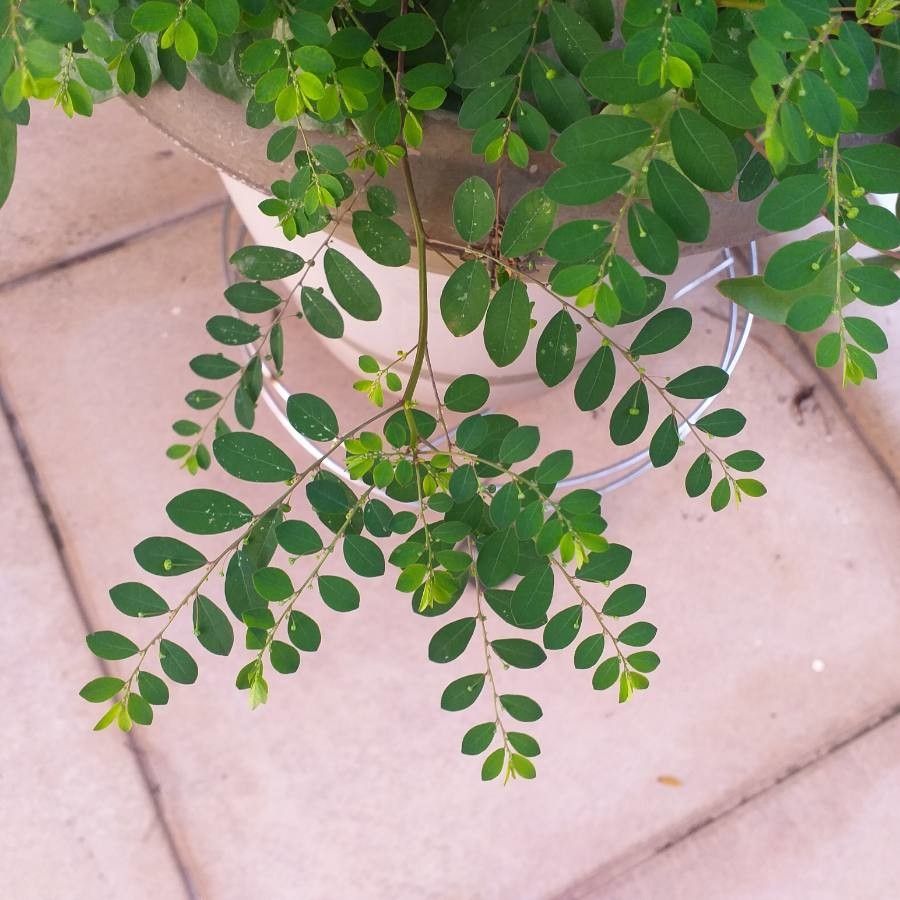
Oh, hello there! Come on in, grab a mug. Today, we’re talking about a truly remarkable plant: Moringa arborea. If you’ve ever seen its graceful, umbrella-like shape or heard about its incredible nutritional benefits, you know why it’s so special. And the best part? Getting more of these beauties is surprisingly achievable. I’ve been growing and sharing Moringa for years, and I can tell you, propagating them is a really rewarding experience. Don’t let the “arborea” in its name fool you; while it’s a tree, propagating it from cuttings is quite beginner-friendly. You’ll be sharing these leafy wonders with friends in no time.
The Sweet Spot for Starting Your Moringa Journey
Spring is absolutely king when it comes to propagating Moringa. Think of it as the plant’s reawakening after a winter nap. As the days get longer and the temperatures begin to consistently warm up, your cuttings will have the best chance to establish themselves. You’re looking for actively growing stems – those that are neither brand new and flimsy nor old and woody. A nice, semi-hardwood cutting is usually the sweet spot.
What You’ll Need to Get Rooting
Gathering your supplies beforehand makes the whole process so much smoother. Here’s what I always have on hand:
- Sharp Pruning Shears or a Knife: Clean cuts are crucial for preventing disease and encouraging rooting.
- Rooting Hormone: This isn’t strictly mandatory, but it certainly gives your cuttings a helpful boost. I prefer a powdered form for ease of use.
- Well-Draining Potting Mix: A good blend of coco coir, perlite, and a bit of compost works wonderfully. You want something that lets water pass through easily, as soggy roots are the enemy.
- Pots or Containers: Small pots or even seedling trays with drainage holes are perfect.
- Plastic Bag or Propagator: This creates a humid microclimate, which is vital for cuttings.
- Watering Can with a Fine Rose: Gentle watering is key.
Let’s Get Those Roots Growing!
Moringa arborea is a champion of the stem cutting method. It’s reliable and gives you a clone of your parent plant.
- Select Your Cutting: Find a healthy, vigorous stem that’s about 6-10 inches long. Look for one with several leaf nodes – those little bumps where leaves emerge. A stem that’s firm but still has a bit of give is ideal.
- Make the Cut: Using your clean pruning shears, make a clean cut about a quarter-inch below a leaf node. Angle the cut slightly.
- Prepare the Cutting: Remove the lower leaves, leaving just a couple at the very top. This prevents them from rotting in the soil. If your cutting is particularly long, you can even cut the remaining leaves in half to reduce water loss through transpiration.
- Dip in Rooting Hormone: Lightly dip the cut end of the stem into your rooting hormone, following the product’s instructions. Tap off any excess.
- Plant It Up: Fill your chosen pot with your well-draining potting mix. Make a hole in the center with your finger or a pencil, and gently insert the cutting so that at least one leaf node is buried in the soil. Firm the soil gently around the base of the stem.
- Water Gently: Water the soil thoroughly until water drains from the bottom. You want it moist, not waterlogged.
- Create Humidity: Place the potted cutting inside a plastic bag, creating a mini-greenhouse effect. You can prop the bag up with a few stakes so it doesn’t touch the leaves. Alternatively, use a propagator lid.
- Find a Bright Spot: Place your pot in a bright location but out of direct, scorching sunlight. A slightly warmer spot is beneficial.
The “Secret Sauce” from My Garden Diary
Here are a few things I’ve learned over the years that really make a difference:
- “Don’t let the leaves touch the water!” This is a golden rule for ANY cutting propagation, whether you’re using soil or water. If the leaves are constantly submerged, they’ll start to rot, and that’s a fast track to losing your cutting. Always ensure your leaves are above the soil line or the water’s surface.
- Bottom Heat is Your Friend: Moringa roots really appreciate a bit of warmth from below. If you have one, placing your pots on a heat mat designed for seedlings can significantly speed up the rooting process. It mimics the warmth of spring soil and gives those root cells a gentle nudge.
- Patience with the Woodiness: Sometimes, you might be tempted to use very soft, new growth. While it’s great for flowering plants, for woody plants like Moringa, waiting for the stem to be just slightly firm – not limp, but not rock-hard either – really increases your success rate. It’s a stage I call “semi-hardwood,” and it’s perfect.
What Happens Next: Aftercare and Dodging Disaster
After a few weeks, you should start seeing signs of new growth at the top – tiny leaves unfurling! This is a great indicator that roots are forming. You can give a very gentle tug on the cutting; if you feel some resistance, roots are likely forming.
Once you see that new growth, you can gradually introduce your plant to less humid conditions. Open the plastic bag a little each day, or lift the propagator lid for a few hours.
The biggest foe to cuttings is rot. If your cutting turns black and mushy, or smells foul, it’s likely succumbed to rot. This usually happens if the soil stays too wet, the environment is too cool, or the cutting has been damaged. Don’t be discouraged if a few don’t make it! It happens to every gardener, no matter how long they’ve been at it. Just try again, maybe adjusting your soil mix or location.
Happy Rooting!
Growing plants from cuttings is a magical way to connect with nature and expand your green family. Seeing those first tiny roots emerge is such a thrill! Be patient, observe your cuttings, and most importantly, enjoy the process. You’ve got this!
Resource:
https://identify.plantnet.org/k-world-flora/species/Moringa%20arborea%20Verdc./data