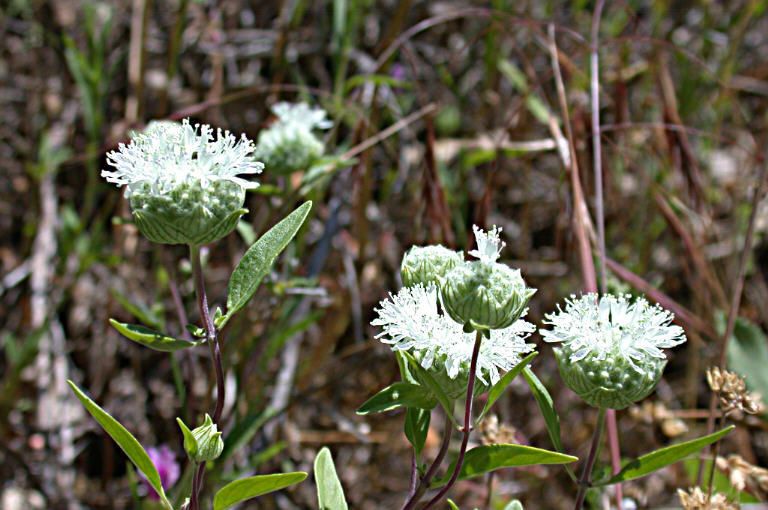
Oh, hello there! Come on in, pull up a chair. Let’s chat about one of my favorite little plants: Monardella candicans. Isn’t it just a delight? The fragrant, silvery foliage and those charming little pops of white flowers? It truly brings a certain je ne sais quoi to the garden, especially for folks with that arid, Mediterranean vibe going on. And you know, the best part? It’s not nearly as tricky to get more of it as you might think! Propagating plants like this is one of the most rewarding things you can do. It’s like magic, but with a bit of know-how.
When to Get Your Hands Dirty
For Monardella candicans, I’ve found the late spring or early summer is absolutely your golden window. Think about it: the plant is actively growing, putting out nice, fresh shoots. That’s exactly what we want when we’re trying to encourage new roots. Trying to do this when the plant is dormant, or stressed from extreme heat, will just lead to disappointment. This timing usually sets you up for success.
Your Propagation Toolkit
You don’t need a whole fancy workshop for this. Just a few key things will do the trick:
- Sharp Pruning Shears or Scissors: Cleanliness is next to godliness, so make sure they’re clean.
- Rooting Hormone (Optional but Recommended): A powder or gel can give your cuttings a real boost.
- A Well-Draining Potting Mix: I like a mix of equal parts perlite, coarse sand, and a good quality potting soil. You want that water to drain away fast.
- Small Pots or Seed Trays: Whatever you have available for those precious little babies.
- Watering Can or Spray Bottle: Gentle watering is key.
- Labels: Trust me, you’ll forget what you planted and when!
Let the Propagation Begin!
There are a couple of ways to multiply your Monardella candicans, and I’ll walk you through my favorites.
Stem Cuttings: The Classic Choice
This is usually my go-to method for this plant.
- Select Your Stems: Look for healthy, non-flowering stems that are about 3-4 inches long. They should feel a little firm but not woody. Gently snap one off from the parent plant – sometimes this is easier than cutting.
- Prepare the Cuttings: Carefully remove the lower leaves from the stem. You want a clean section to insert into the soil. If the leaves are large, you can even snip them in half to reduce water loss.
- Dip in Rooting Hormone (Optional): If you’re using rooting hormone, moisten the cut end slightly (just a tiny drop of water) and then dip it into the powder or gel. Tap off any excess.
- Plant Your Cuttings: Make a little hole in your prepared potting mix with a pencil or your finger. Gently insert the cut end of the stem into the hole and firm the soil around it. Don’t cram them in too tightly. Space them about an inch or two apart.
- Water Gently: Water the potting mix until it’s evenly moist but not soggy. A gentle shower from your watering can works best.
Division: When Your Plant is Lush
If your Monardella candicans has been in the ground for a while and is looking wonderfully full, division is a fantastic option.
- Plan Your Dig: The best time for this is also spring or early summer, when the plant is actively growing but before the real heat sets in.
- Gently Unearth: Carefully dig around the base of the plant. You want to lift the entire root ball out of the soil with as little disturbance as possible.
- Divide the Roots: Once out, gently shake off some of the excess soil so you can see the root structure. You can usually carefully pull apart clumps with your hands. If it’s a bit stubborn, use a clean trowel or a sharp knife to make the division. Make sure each new division has plenty of healthy roots and some leafy growth.
- Replant Immediately: Get those divisions back into the ground or into pots with fresh, well-draining soil right away. Water them in well.
The “Secret Sauce” From My Garden to Yours
After years in the dirt, a few little tricks become second nature, and they can make all the difference with Monardella candicans.
- Airflow is Key for Cuttings: When you’ve potted up your stem cuttings, don’t just seal them up in a plastic bag like you might with some other plants. Those silvery leaves can get a bit damp, and sealing them can encourage rot. I like to place a loose plastic bag over the pot, but make sure there’s still plenty of air circulating. You can poke a few holes in it or just tent it loosely.
- Don’t Let the Foliage Touch the Soil: This goes for both cuttings and divisions. If leaves are sitting directly on damp soil, they’re just inviting fungal issues. Prune off any leaves that will be below the soil line or that are likely to touch it once planted.
- Think Gentle Warmth: If you have a spot that gets a bit of gentle, indirect sun and isn’t super chilly, that’s perfect. But for cuttings, I swear by a little bit of bottom heat. A heating mat designed for propagation can do wonders to encourage those roots to get going. You don’t want it too hot, just a gentle warmth.
Aftercare: Nurturing Your New Green Friends
Once your cuttings have rooted (you’ll know because they’ll resist a gentle tug or you’ll see new growth), it’s time to give them a bit more attention.
- Gradual Acclimation: If you’ve had them covered, start gradually removing the cover over a few days to get them used to the ambient humidity.
- Watering: Continue to water them as needed, making sure the soil dries out slightly between waterings. Overwatering is still their enemy at this stage.
- Sunlight: Once they seem well-established, you can start introducing them to a bit more sun. Morning sun is usually a safe bet. Don’t suddenly blast them with intense afternoon sun.
- Troubleshooting Rot: The biggest sign of failure is usually rot. If you see stems going mushy, blackening at the base, or the leaves wilting and looking sad even when the soil is moist, it’s likely rot. This is usually a sign of too much moisture and not enough airflow. In that case, unfortunately, you’ll probably have to discard them and try again, focusing on that excellent drainage and airflow next time.
Go Forth and Propagate!
See? It’s really not that complicated! Monardella candicans is a friendly plant, and with a little patience and these techniques, you’ll have a whole little garden of your own in no time. Don’t be discouraged if your first few attempts aren’t perfect – gardening is a journey, and every plant you nurture is a small victory. Now go enjoy that beautiful scent!
Resource:
https://identify.plantnet.org/k-world-flora/species/Monardella%20candicans%20Benth./data