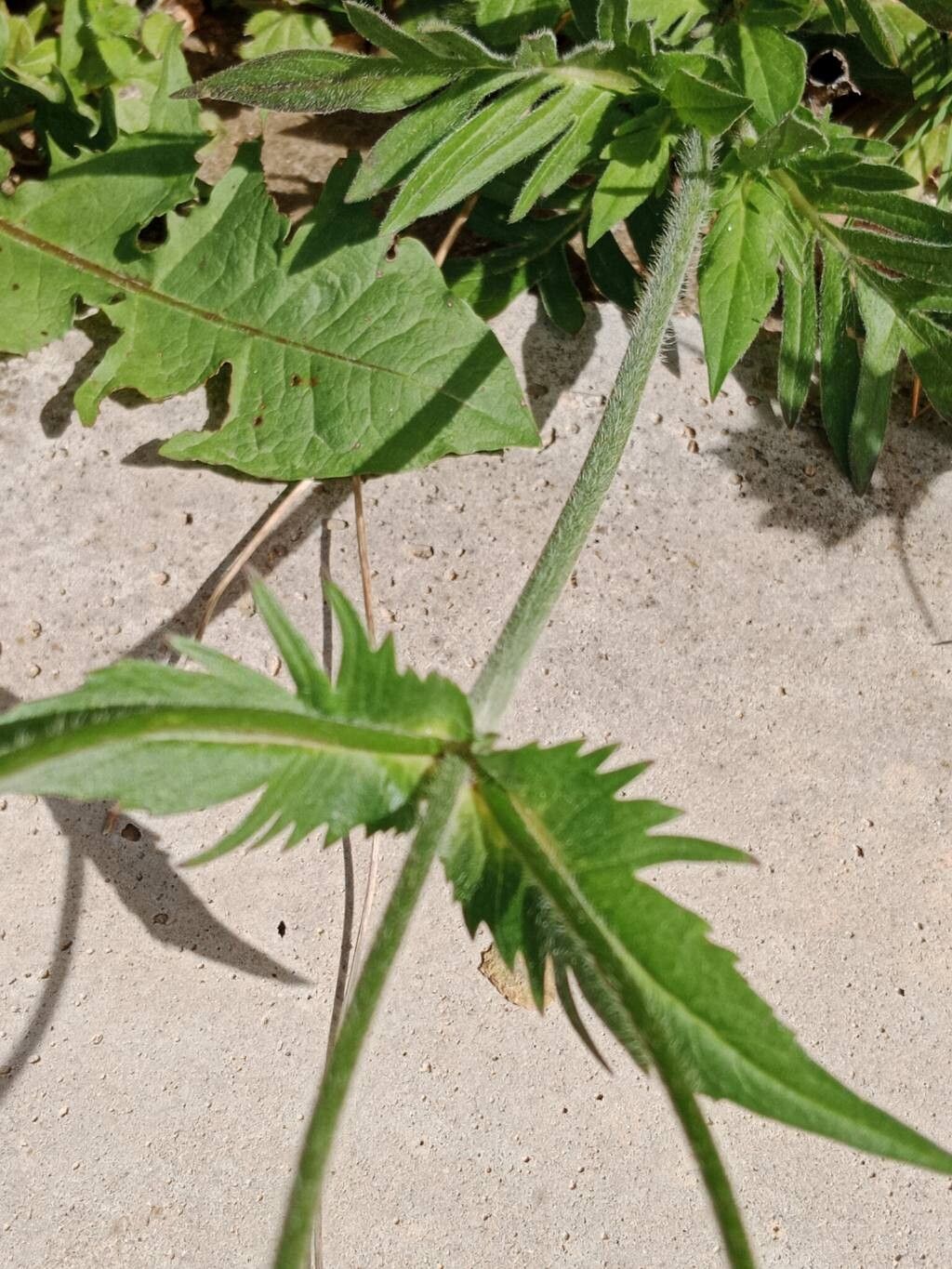
Hello fellow garden lovers! Today, I’m absolutely thrilled to chat with you about a plant that has stolen my heart over the years: Knautia arvernensis. If you’re looking for a bloom that dances in the breeze, with ethereal, pincushion-like flowers in shades of soft lavender and deep violet, then this is your plant. It’s a magnet for pollinators and brings such a wonderfully airy, cottage-garden feel to any space.
Now, about propagating it. Is it a beginner’s dream or a seasoned pro’s challenge? I’d say Knautia arvernensis falls somewhere in the middle. It’s not the absolute easiest thing to start from seed for everyone, but with a few simple techniques, you can have a whole new generation of these beauties gracing your garden. And trust me, there’s nothing quite as satisfying as watching a tiny cutting transform into a thriving plant you nurtured yourself.
The Best Time to Start
For Knautia arvernensis, I’ve found the sweet spot for propagation is late spring or early summer. This is when the plant is actively growing and has plenty of healthy, young stems to work with. Aim for new, non-flowering growth if you’re taking cuttings. If you’re looking to divide, early spring, just as new growth is emerging, is ideal. This gives the plant plenty of time to establish before the heat of summer.
Supplies You’ll Need
Gathering your supplies beforehand makes the whole process so much smoother. Here’s what I usually have on hand:
- Sharp pruning shears or a clean knife: For making clean cuts, which is crucial for successful rooting.
- Rooting hormone (optional but recommended): This really gives your cuttings an extra boost. Look for a powder or gel.
- Well-draining potting mix: A good seed-starting mix or a blend of equal parts peat moss, perlite, and vermiculite works beautifully.
- Small pots or seed trays: Clean, with drainage holes, of course!
- Clear plastic bags or a propagator: To create a humid microclimate for your cuttings.
- Watering can or spray bottle: For gentle watering.
- Labeling material: So you don’t forget what you planted!
Propagation Methods
Let’s get our hands dirty with the most successful ways to coax more Knautia arvernensis into existence.
Stem Cuttings
This is my go-to method for Knautia arvernensis.
- Take your cuttings: In late spring or early summer, find a healthy stem that’s not flowering. Using your sharp, clean shears, cut a piece about 4-6 inches long. Make the cut just below a leaf node (where a leaf attaches to the stem).
- Prepare the cutting: Gently remove the lower leaves from the cutting, leaving just a couple of leaves at the top. If the remaining leaves are quite large, you can even cut them in half to reduce water loss.
- Apply rooting hormone (optional): Dip the cut end of the stem into your rooting hormone, tapping off any excess.
- Plant the cuttings: Fill your small pots or trays with your well-draining potting mix. Make a small hole with your finger or a pencil and insert the cutting, ensuring the node with the removed leaves is buried in the soil. Gently firm the soil around the stem.
- Water lightly: Give the soil a gentle watering.
- Create humidity: Cover the pots or trays with a clear plastic bag or place them in a propagator. This keeps the humidity high, which is vital for cuttings to root. Make sure the leaves don’t touch the plastic. You can use small stakes to prop up the bag.
- Place in bright, indirect light: Find a warm spot with plenty of light, but out of direct sun, which can scorch the delicate cuttings.
Division
If you have a mature clump of Knautia arvernensis, dividing it is a fantastic way to get more plants and also revitalizes the parent plant.
- Prepare: Water the plant well a day or two before you plan to divide it. This helps to reduce transplant shock.
- Eradicate the clump: Carefully dig around the base of the plant and lift the entire clump from the soil.
- Separate: You can often pull sections apart with your hands. If it’s a bit stubborn, use your clean trowel or knife to cut the root ball into smaller sections. Aim for divisions that have at least a few stems and a good portion of roots.
- Replant: Immediately replant your divisions in their new locations or in pots filled with fresh, well-draining soil.
- Water thoroughly: Give them a good drink to help them settle in.
The “Secret Sauce”
Now, a few little tricks I’ve learned over the years that can really make a difference.
- Bottom heat is your friend: Especially for stem cuttings, providing a little warmth from below can significantly speed up root development. A seedling heat mat is perfect for this. Just place your pots or propagator on top of it.
- Don’t over-water, but don’t let them dry out: This is a delicate balance. The soil should feel consistently moist, but not waterlogged. Soggy conditions are a fast track to rot, which is the nemesis of cuttings. Check the soil moisture regularly by gently pressing your finger into it.
- Air circulation is key: While you want humidity, you also need some air movement to prevent fungal issues. Open the plastic bag or propagator vents for a short period each day to allow for fresh air exchange.
Aftercare & Troubleshooting
Once you spot those magical tiny roots appearing (usually after a few weeks, you can gently tug on a cutting to feel resistance), it’s time to transition your new plants.
- Acclimatize gradually: When the roots are well-established, start to gradually remove the plastic bag or open the propagator vents more widely over a few days. This helps them adjust to normal humidity levels.
- Potting up: Once they have a good root system, you can pot them up into slightly larger pots with good quality potting soil.
- Watering: Continue to keep the soil consistently moist, but still avoid waterlogging. As they grow stronger, they’ll become more forgiving.
- Signs of trouble: The most common issue is rot, which often looks like a black, mushy stem. This is usually due to overwatering and poor air circulation. If you see this, unfortunately, that cutting is likely lost, but don’t despair! There might be healthy ones still to save. Another sign of failure is a cutting that shrivels and dries up completely – this usually means it didn’t get enough humidity or dried out too quickly.
A Encouraging Closing
Propagating Knautia arvernensis is a journey, and like any good garden adventure, it requires a little patience and a lot of love. Don’t be discouraged if not every cutting takes. Learn from each attempt, adjust your approach, and celebrate every success, no matter how small. Happy propagating, and may your garden be filled with these delightful blooms for years to come!
Resource:
https://identify.plantnet.org/k-world-flora/species/Knautia%20arvernensis%20(Briq.)%20Szabó/data