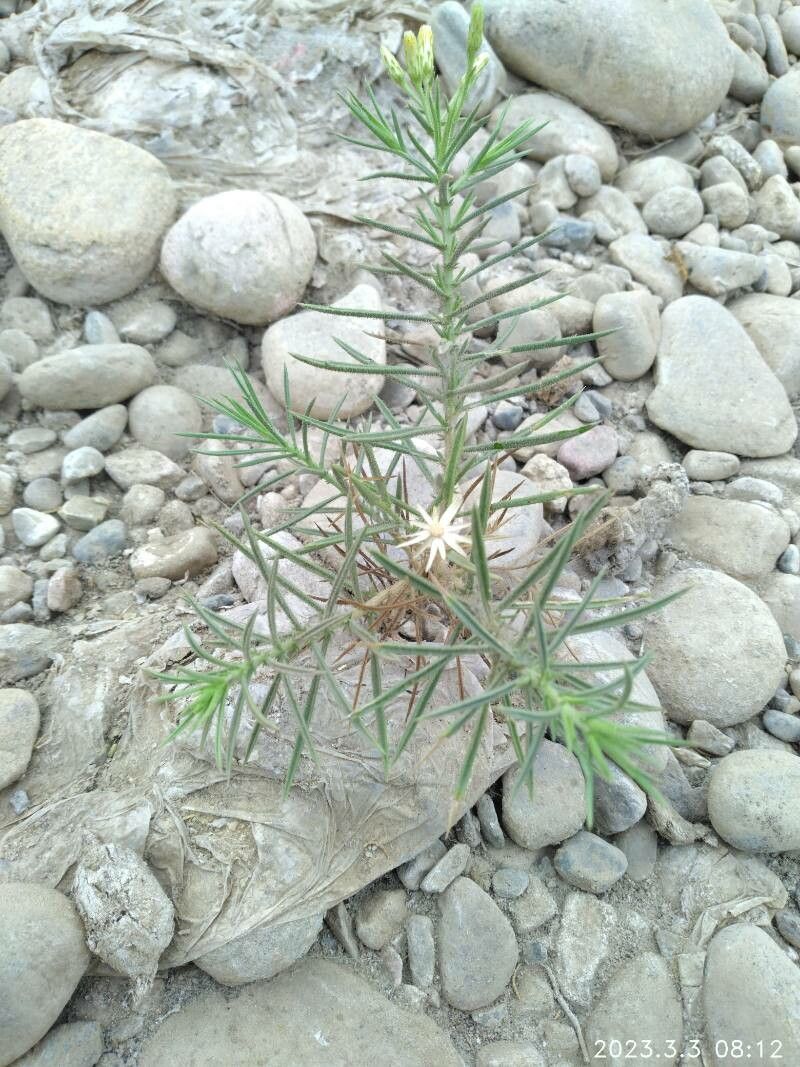
Oh, Felicia abyssinica! If you’ve ever been lucky enough to see these cheerful little daisy-like flowers gracing a garden, I’m sure you understand the allure. Their bright blue petals and sunny yellow centers are such a burst of joy, aren’t they? And the best part? They’re surprisingly rewarding to propagate, even for those of you just dipping your toes into the world of plant parenting. I’ve found propagating Felicias to be a delightful way to multiply that happiness.
The Best Time to Start
For the highest success rates with Felicia abyssinica, I always aim for late spring or early summer. This is when the plant is actively growing and has plenty of energy to dedicate to rooting. You want to be taking cuttings from healthy, vigorous stems that haven’t flowered yet. Think of it as harvesting prime material – the plant is at its peak!
Supplies You’ll Need
Gathering your tools beforehand makes the whole process smoother. Here’s what I usually have on hand:
- Sharp pruning shears or a clean knife: For making precise cuts. Sterilize them with rubbing alcohol to prevent disease!
- Propagating mix: A light, well-draining blend. I typically use a 50/50 mix of perlite and peat moss or coir. You can also buy specialized seed-starting or propagation mixes.
- Small pots or trays: Clean pots with drainage holes are essential.
- Rooting hormone (optional but recommended): This gives your cuttings a helpful boost to develop roots faster.
- Plastic bags or a mini greenhouse: To create a humid environment.
- Watering can with a fine rose: For gentle watering.
- Pot labels: So you don’t forget what you’re growing!
Propagation Methods
Felicia abyssinica is quite happy to be propagated from stem cuttings. It’s my go-to method for this lovely plant.
Here’s how I do it, step-by-step:
- Take Your Cuttings: On a bright morning, select a healthy stem. Using your sterilized pruning shears, cut a piece about 4-6 inches long. Make the cut just below a leaf node (where a leaf attaches to the stem).
- Prepare the Cuttings: Gently remove the lower leaves from the cutting, leaving just a couple of leaves at the top. This prevents them from rotting once planted. If the leaves are quite large, you can even cut them in half horizontally.
- Dip in Rooting Hormone (Optional): Lightly dip the cut end of the stem into your rooting hormone powder. Tap off any excess.
- Plant Your Cuttings: Fill your small pots with the propagating mix, moisten it slightly, and then make a small hole in the center with a pencil or your finger. Insert the cutting into the hole, ensuring the leaf nodes are below the soil surface. Gently firm the soil around the stem.
- Create Humidity: Water the soil very gently. Then, I usually pop a plastic bag over the pot, securing it around the rim with a rubber band, or place the pot in a mini greenhouse. This traps moisture and keeps the cuttings from drying out.
- Placement: Place your pots in a bright spot but out of direct sunlight. Overly strong sun can scorch and dehydrate the tender cuttings.
The “Secret Sauce” (Pro Tips)
After years of playing with plants, I’ve picked up a few tricks that seem to make a difference:
- My absolute favorite tip for cuttings like these is bottom heat. If you have a seedling heat mat, placing your pots on it can significantly speed up root development. It mimics the warmth of spring soil.
- When watering, don’t waterlog them. The propagating mix should be consistently moist, not soaking wet. Overwatering is the quickest way to invite rot.
- For Felicias, I find it’s really beneficial to mist the leaves lightly every few days (especially if you’re not using a completely sealed propagator). It gives them that extra drink they need while they’re trying to root.
Aftercare & Troubleshooting
Once you start seeing some healthy new growth, or if you gently tug on a cutting and feel resistance, it’s a good sign roots are forming! At this point, you can gradually acclimate your new plants to lower humidity. Remove the plastic bag or open the vents on your greenhouse for a few hours each day, slowly increasing the time until they’re happy without it. Continue to keep the soil moist and bright.
Troubleshooting is part of the fun, really. The most common issue you’ll encounter is rot. If a cutting turns black and mushy, it’s usually a sign of too much moisture and not enough air circulation. Discard any rotten cuttings immediately to prevent it from spreading. Yellowing leaves can sometimes mean they’re getting too much sun, or perhaps they need a gentle watering.
A Encouraging Closing
Don’t be discouraged if not every cutting takes. Plant propagation is a journey of learning and patience. Celebrate the successes, learn from the failures, and most importantly, enjoy the process of nurturing new life. Before you know it, you’ll have an abundance of these beautiful blue blooms to share with friends or fill your own garden with. Happy propagating!
Resource: