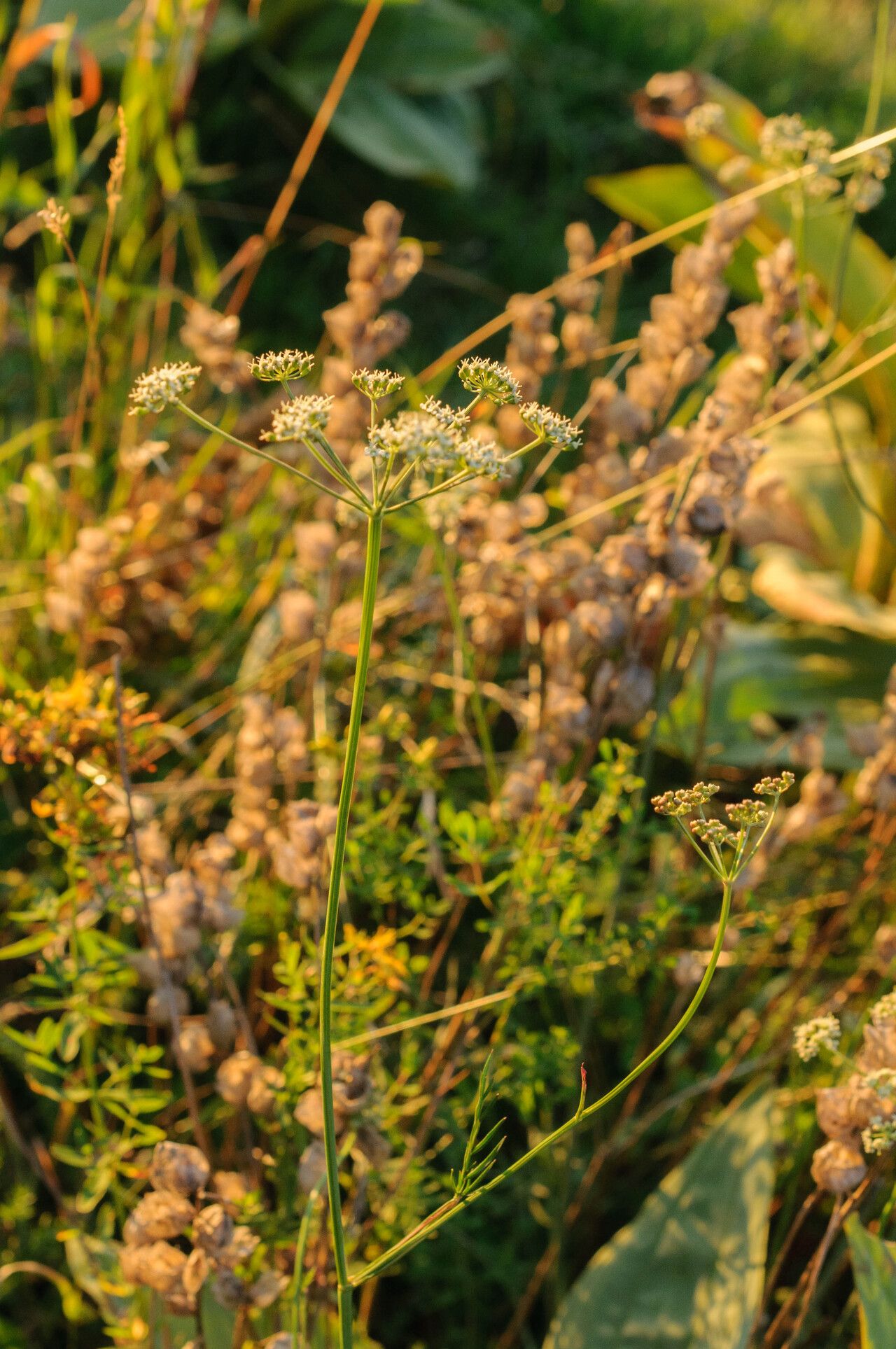
Hey there, fellow plant lovers! If you’ve ever admired the delicate, fern-like foliage of Dichoropetalum carvifolia and thought, “Oh, I wish I had more of that!” then you’re in the right spot. I’ve been growing and propagating plants for two decades now, and let me tell you, sharing this particular beauty is incredibly satisfying. It’s a plant with such fine, airy leaves, almost like a whisper of green in the garden. And the best part? It’s generally quite generous when it comes to making new babies. For beginners, this is a fantastic one to cut your teeth on.
The Best Time to Start
For the highest chance of success, I always recommend propagating Dichoropetalum carvifolia during its active growing season. Think late spring through summer. This is when the plant has plenty of energy to dedicate to putting out new roots. Trying to propagate when the plant is dormant is like asking a sleepy bear to build a house – it’s just not going to happen as easily.
Supplies You’ll Need
Here’s what I usually gather before I get started:
- Clean pruning shears or a sharp knife: You want nice, clean cuts to prevent disease.
- Rooting hormone (optional but helpful): This can give your cuttings a real boost. Look for one formulated for stem cuttings.
- Well-draining potting mix: A mix for succulents or cacti works wonderfully, or you can create your own by blending regular potting soil with perlite or coarse sand.
- Small pots or trays: 3-4 inch pots are usually perfect.
- Watering can or spray bottle: For gentle watering.
- Clear plastic bags or a propagator: To create a humid environment.
- Labels: Don’t forget to label your new babies!
Propagation Methods
Dichoropetalum carvifolia is quite adaptable, but I’ve found the most reliable methods are stem cuttings and, if your plant is mature enough, division.
Stem Cuttings
This is my go-to for Dichoropetalum.
- Take the Cuttings: Look for healthy, non-flowering stems. Using your clean shears, snip off pieces about 4-6 inches long. Make the cut just below a leaf node (where a leaf attaches to the stem).
- Prepare the Cuttings: Gently remove the leaves from the bottom half of the cutting. This prevents them from rotting once planted. If you’re using a rooting hormone, dip the cut end into it now, and tap off any excess.
- Plant Them Up: Fill your small pots with the well-draining potting mix. Make a small hole with your finger or a pencil and insert the cut end of the stem. Firm the soil gently around the base of the cutting to ensure good contact. You can usually fit a few cuttings in one pot.
- Water Lightly: Give the soil a gentle watering so it’s evenly moist, but not soggy.
- Create Humidity: Cover the pot with a clear plastic bag or place it in a propagator. This traps moisture, which is crucial for the cuttings to root. You can prop the bag up with a few stakes if needed to keep it from touching the leaves.
Division
If you have a mature, well-established clump of Dichoropetalum, division is a simple way to get more plants.
- Carefully Remove the Plant: Gently pull the entire plant out of its pot or dig it up from the garden.
- Examine the Root Ball: You’ll see where the plant naturally divides into smaller sections.
- Separate the Sections: Using your hands or a clean trowel, gently pull or cut the root ball apart into smaller clumps. Each division should have a healthy root system and some top growth.
- Replant Immediately: Pot up each division into its own pot with fresh, well-draining soil. Water them in well.
The “Secret Sauce”
Here are a couple of things I’ve learned over the years that really make a difference:
- Avoid Leaf Rot in Water Propagation (if you try it): While I prefer soil propagation for Dichoropetalum, if you do try water propagation, make absolutely sure that no leaves are submerged. They will just turn brown and mushy and won’t help the cutting root. Keep only the stem in the water.
- Bottom Heat is Your Friend: For stem cuttings, placing your pots on a gentle heated propagator mat can significantly speed up root development. It’s like giving them a warm little foot bath, encouraging those roots to grow faster. Just ensure the heat is gentle – you don’t want to cook them!
Aftercare & Troubleshooting
Once your cuttings have rooted (you’ll know because they’ll start producing new growth and you might see roots peeking out the drainage holes), you can begin to gradually acclimate them to drier air. Remove the plastic bag for a few hours each day, slowly increasing the time until they don’t need it at all. Continue watering them when the top inch of soil feels dry.
The most common issue you might encounter is rot. This usually happens if the soil stays too wet or if cuttings sit in stagnant water. If you see stems turning black or mushy, it’s a sign of rot. Unfortunately, these are usually lost causes. To prevent this, always use a well-draining mix and don’t overwater. If you’re using a plastic bag, check for condensation – too much can indicate too much humidity, which can also contribute to rot.
A Little Patience Goes a Long Way
Seeing a new plant sprout from a tiny cutting is one of the most rewarding parts of gardening. Dichoropetalum carvifolia is a joy to propagate, and with a little care and attention, you’ll soon have plenty of this delightful foliage to share or plant in new spots. Don’t be discouraged if your first few attempts aren’t perfect. It’s all part of the learning process, and the plant itself is pretty forgiving. Happy propagating!
Resource: