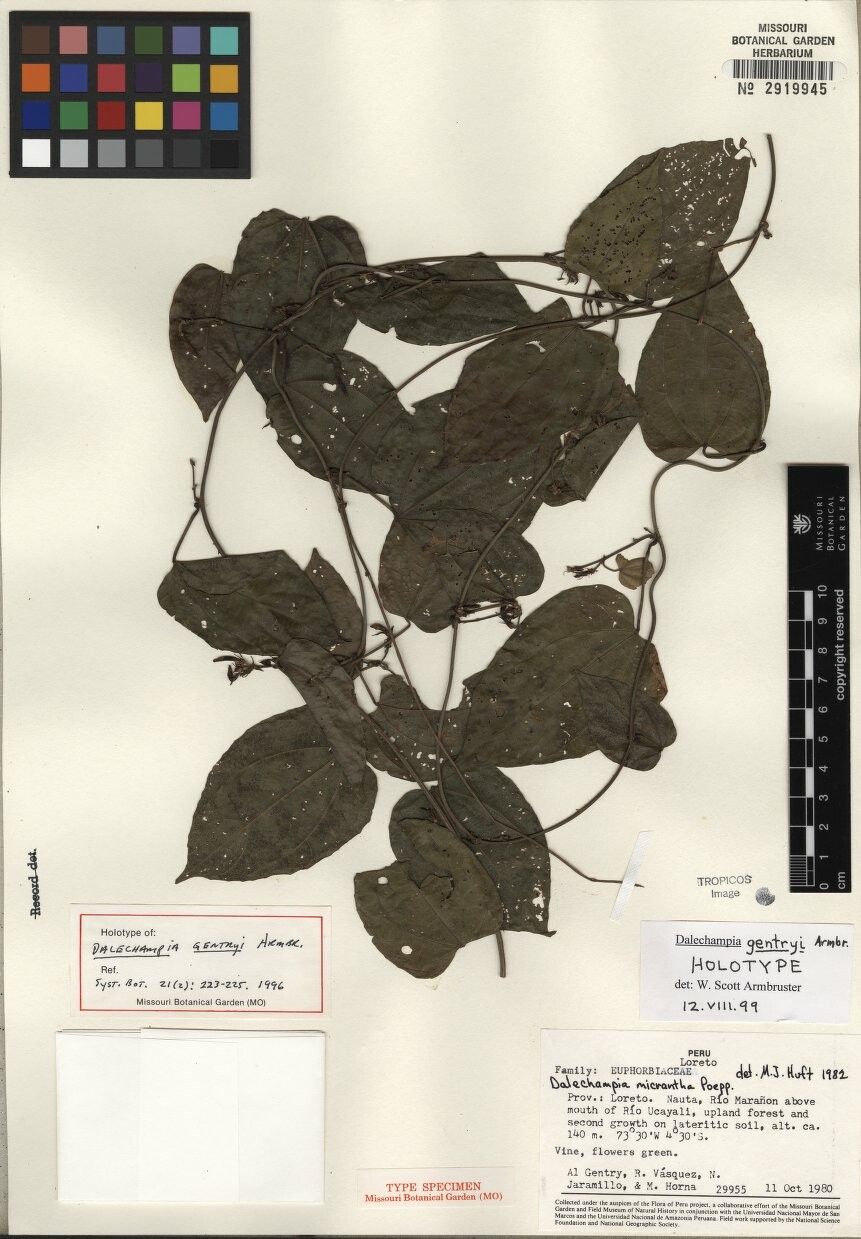
Oh, hello there! I’m so excited to chat with you today about a truly show-stopping plant: Dalechampia gentryi. If you’ve ever seen this beauty in bloom, you know exactly why I can’t get enough of it. It’s often called the ‘Butterfly Vine’ for its vibrant, almost papery bracts that flutter in the breeze, looking for all the world like a swarm of colorful butterflies. It’s also incredibly rewarding to grow, and propagating it yourself? Well, that’s a whole other level of garden joy.
Now, as for how easy it is for beginners? Dalechampia gentryi can be a little finicky, I’ll be honest. It’s not quite a “stick it in the ground and forget it” kind of plant. But with a few key techniques and a bit of patience, you’ll absolutely be able to master it. Think of it as a lovely challenge that pays off in spades with more of these magical vines to brighten your garden or share with friends.
The Best Time to Start
When it comes to Dalechampia gentryi, timing is everything for getting those new plants off to a strong start. The absolute best time to propagate is during its active growing season, typically from late spring through summer. You want to take cuttings when the plant is healthy and vigorously producing new growth. Avoid taking cuttings from old, woody stems or when the plant is stressed, like during extreme heat or drought. Fresh, supple stems are your golden ticket here.
Supplies You’ll Need
Gathering your supplies beforehand makes the whole process much smoother. Here’s what I always have on hand:
- Sharp, clean pruning shears or a craft knife: For making precise cuts. Sterilize them with rubbing alcohol between cuts to prevent disease.
- Rooting hormone powder or gel: This is a game-changer for encouraging root development. I have a favorite brand, but any reputable rooting hormone will do.
- Well-draining potting mix: A good blend is crucial. I often use a mix of perlite, peat moss, and a bit of coarse sand. You can also buy a commercially available seed-starting or propagation mix.
- Small pots or cell trays: Clean containers are a must. I like using 3-4 inch pots for stem cuttings.
- Plastic bags or a clear plastic dome: To create a humid environment around your cuttings.
- Water: For misting and for water propagation.
- A spray bottle: For gentle misting.
- Optional: Heating mat: For providing consistent bottom warmth to cuttings.
Propagation Methods
Dalechampia gentryi is most commonly and successfully propagated through stem cuttings. This is where you take a piece of the parent plant and encourage it to grow its own roots.
Stem Cuttings
- Select Your Cuttings: Look for healthy, non-flowering stems that are about 4-6 inches long. They should feel firm but not woody. Ideally, they’ll have a few sets of leaves.
- Make the Cut: Using your sterilized shears or knife, make a clean cut just below a leaf node. A leaf node is that little bump on the stem where a leaf grows from. This is where roots are most likely to form.
- Prepare the Cutting: Gently remove the lower leaves, leaving just one or two sets of leaves at the top. If the remaining leaves are very large, you can cut them in half to reduce water loss through transpiration.
- Apply Rooting Hormone: Dip the cut end of the stem into your rooting hormone, tapping off any excess. This really gives your cutting a head start.
- Plant Your Cuttings: Fill your clean pots with your well-draining potting mix. Make a small hole with your finger or a pencil and gently insert the cut end of the stem into the mix. Firm the soil gently around the stem to ensure good contact.
- Water Gently: Water the potting mix lightly after planting. You want it to be moist but not waterlogged. A gentle misting from your spray bottle is perfect.
- Create a Humid Environment: This is where the plastic bag or dome comes in. Gently place a plastic bag over the pot, making sure it doesn’t touch the leaves too much, or pop on your clear dome. This traps humidity, which is vital while the plant develops roots. If using a bag, you might need to secure it loosely around the pot with a rubber band.
- Provide Light and Warmth: Place your potted cuttings in a spot with bright, indirect light. Avoid direct sun, which can scorch the delicate cuttings. If you have a heating mat, placing the pots on it can significantly speed up root formation.
Water Propagation
While I primarily advocate for stem cuttings in soil for Dalechampia, a quick note on water propagation for those curious:
- Follow steps 1-3 above for selecting and preparing cuttings.
- Instead of rooting hormone and soil, place the cuttings in a vase or glass of clean water.
- Crucially, ensure the leaf nodes are submerged, but the remaining leaves are NOT touching the water. This prevents rot.
- Place in bright, indirect light.
- Change the water every few days to keep it fresh.
- Once you see about an inch of roots, you can carefully transplant them into soil, following steps 4-7 of the stem cutting method. I find this method can sometimes be less successful for Dalechampia personally, but it’s an option!
The “Secret Sauce” (Pro Tips)
After years of coaxing reluctant cuttings, I’ve picked up a few tricks that I find make a real difference.
- Think “Humid Hug”: That plastic bag or dome isn’t just for show; it’s creating a mini-greenhouse. The high humidity prevents the cutting from drying out before it can establish roots. If the leaves start to look a bit limp, it means the humidity might have dropped, or it’s not getting enough water from where it’s trying to root.
- Bottom Heat is Your Friend: Seriously, I can’t stress this enough. Adding a heating mat under your pots provides a consistent, gentle warmth that encourages roots to form much faster. It makes a world of difference, especially if your room temperature fluctuates.
- Don’t Be Afraid to Experiment (Slightly): Sometimes, a cutting that looks a little too mature will root, and a perfectly prim one won’t. It’s not an exact science, but taking multiple cuttings increases your chances of success. Don’t get discouraged if one or two don’t make it.
Aftercare & Troubleshooting
Once you start to see signs of life – usually new leaf growth – it means roots are forming! Congratulations!
- Gradual Acclimation: When you see new growth, slowly start to acclimate your new plant to lower humidity. This means gradually opening the plastic bag a little more each day over a week, or lifting the dome for increasing periods. This helps prevent transplant shock.
- First Watering: Water thoroughly once new growth is evident, but again, ensure good drainage. You don’t want those precious new roots sitting in soggy soil.
- Transplanting: Once your new plant has a decent root system (you might see roots peeking out of the drainage holes), it’s time to transplant it into a slightly larger pot with fresh, well-draining potting mix. Continue to water as needed.
Troubleshooting:
- Wilting: This is often a sign of underwatering or too much direct sun. Check the soil moisture and move the plant to a shadier spot. If it’s been too long between waterings, a good soak might revive it.
- Rotting: This is the most common failure, and it almost always means too much moisture or poor drainage. The stems turn black and mushy. If you see this, unfortunately, that cutting is lost. It’s a good indicator that you need to be more careful with watering and ensure your potting mix is truly well-draining.
- No Growth: Be patient! Sometimes it can take several weeks, especially if you don’t have bottom heat. If there’s no sign of root development and the stem hasn’t rotted, it might just be taking its sweet time. You can gently tug on a cutting; if there’s resistance, it likely has roots.
A Little Encouragement
Propagating plants like Dalechampia gentryi is a journey, and there will be learning curves. Don’t get discouraged if your first few attempts aren’t perfect. Each cutting you plant is an opportunity to learn and grow alongside your plants. Savor the process, enjoy the anticipation, and celebrate those tiny new leaves when they finally appear. Happy gardening!
Resource:
https://identify.plantnet.org/k-world-flora/species/Dalechampia%20gentryi%20Armbr./data