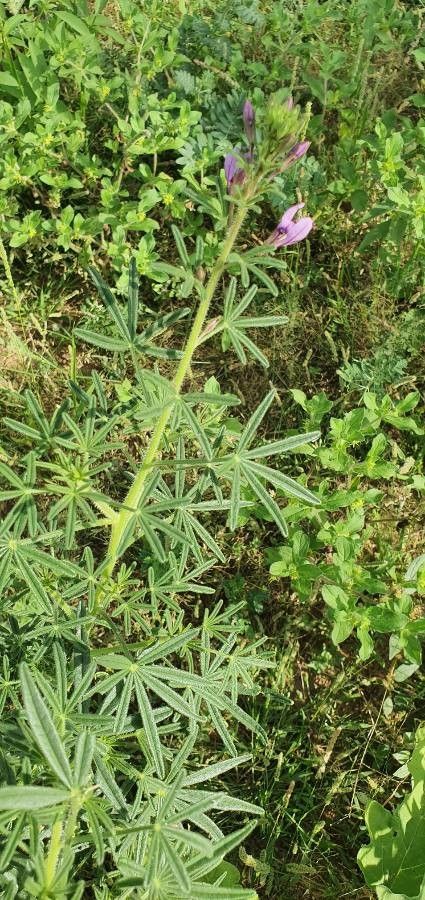
Ah, Cleome usambarica! Also known as “Spider Flower,” this plant is just a delight in the garden. Its airy, delicate blooms on tall stems look like they’re floating, attracting all sorts of beneficial insects. And the scent? Simply divine. If you’ve ever fallen in love with one, you know how rewarding it is to bring more of them into your life. Good news – propagating Cleome usambarica is pretty straightforward, even for those just starting their gardening journey.
The Best Time to Start
The sweet spot for propagating Cleome usambarica is during its active growing season. Think late spring to early summer, after the last frost has passed and things are really warming up. This is when the plant is bursting with energy, making it more likely for cuttings to root successfully. You want to take cuttings from healthy, vigorous stems.
Supplies You’ll Need
Here’s what you’ll want to have on hand:
- A clean, sharp pair of pruning shears or scissors. We want to make nice, clean cuts.
- A well-draining potting mix. A blend of peat moss, perlite, and a bit of compost works wonders. Or, you can buy a good quality seed-starting mix.
- Small pots or seed trays with drainage holes.
- Rooting hormone (optional, but it can give your cuttings a helpful boost).
- A clear plastic bag or a propagation dome. This helps maintain humidity.
- A spray bottle filled with clean water.
- A label marker to keep track of your efforts!
Propagation Methods
Let’s get our hands dirty! I find the best way to multiply these beauties is through stem cuttings.
- Select Your Stems: Find a healthy, non-flowering stem on your mature Cleome. Look for stems that are about 4-6 inches long.
- Make the Cut: Using your clean shears, make a clean cut just below a leaf node. A leaf node is that little bump where a leaf grows from the stem. This is where the magic happens for root formation.
- Prepare the Cuttings: Gently remove the lower leaves from the cutting, leaving just the top couple of leaves. This prevents them from rotting when buried. If your cutting is particularly large, you can even pinch off the top cluster of leaves to encourage rooting rather than top growth.
- Apply Rooting Hormone (Optional): If you’re using rooting hormone, dip the cut end of the stem into the powder, tapping off any excess.
- Plant Your Cuttings: Fill your pots or trays with your chosen potting mix. Make a small hole in the center of each with your finger or a pencil. Gently insert the cut end of the stem into the hole, about an inch deep. Firm the soil around it.
- Water and Cover: Water them gently to settle the soil. Then, cover the pots with a clear plastic bag, propped up with stakes so it doesn’t touch the leaves, or place them under a propagation dome.
The “Secret Sauce” (Pro Tips)
Over the years, I’ve learned a few tricks that really make a difference:
- My absolute favorite tip is to use bottom heat. If you have a heat mat meant for seedlings, placing your pots on it can significantly speed up root development. Cleome roots just love a little warmth.
- When watering your cuttings, aim for the soil, not the leaves. Water sitting on the leaves can encourage fungal diseases, which is the last thing we want.
- When you’re taking cuttings, don’t be afraid to take more than you think you’ll need. Some will inevitably fail, but with a good success rate, you’ll have plenty of new plants. It is always better to have too many than too few!
Aftercare & Troubleshooting
Once your cuttings are planted, place them in a bright location but out of direct sunlight. Keep the soil consistently moist, but not waterlogged. You can lift the plastic bag daily for a few minutes to allow for some air circulation.
You’ll know they’re rooting when you see new growth, usually in a few weeks. You can also gently tug on a cutting; if it resists, roots have formed! Once they have a good root system and are showing new shoots, you can gradually remove the plastic cover over a few days. Then, it’s time to transplant them into their own, slightly larger pots.
What if things go wrong? The most common issue is rot. If your cuttings turn mushy or black, they’ve likely succumbed to rot. This is usually caused by overwatering, poor drainage, or lack of air circulation. Don’t be discouraged! Simply discard the rotten cuttings and try again, paying close attention to your watering and ventilation.
A Encouraging Closing
Propagating Cleome usambarica is a wonderfully rewarding experience. It’s a chance to multiply the beauty in your garden and share it with others. Be patient, enjoy the process, and remember that every gardener has had their share of attempts that didn’t quite work out. Happy propagating!
Resource:
https://identify.plantnet.org/k-world-flora/species/Cleome%20usambarica%20Pax/data