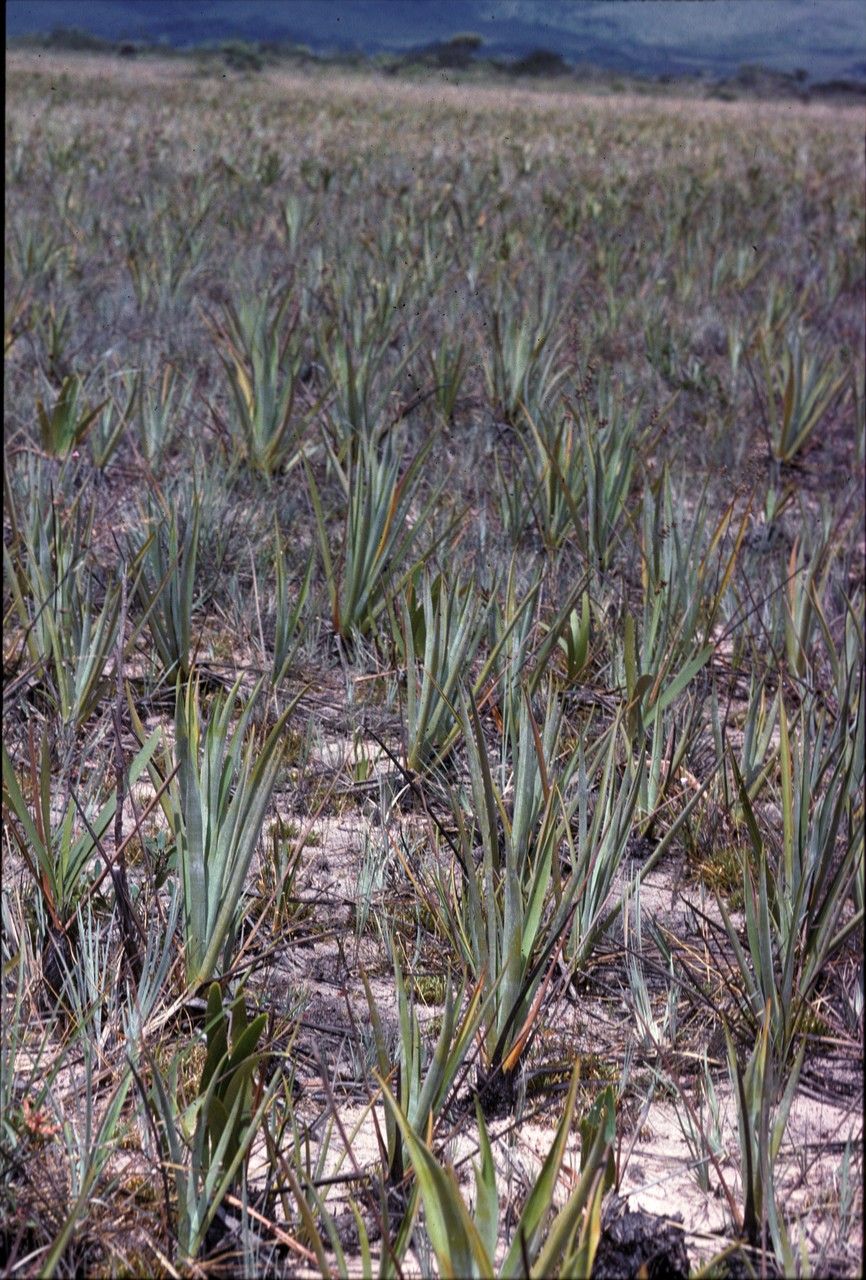
Hello fellow plant enthusiasts! Today, we’re diving into the wonderful world of Brocchinia steyermarkii, a plant that truly captures the imagination. With its striking rosette of architectural leaves, often tipped with a delightful reddish hue, it’s a real showstopper in any plant collection. And the best part? You can easily multiply this beauty yourself! Propagating Brocchinia steyermarkii is a wonderfully rewarding project, bringing a sense of accomplishment as you watch new life emerge. Now, is it for the absolute beginner? I’d say it’s moderately easy. With a little patience and the right approach, you’ll be celebrating success in no time.
The Best Time to Start
When it comes to Brocchinia steyermarkii, the spring and early summer are your golden windows. This is when the plant is actively growing, meaning it has the energy reserves to put into developing new roots and shoots. Look for plants that are robust and healthy, ideally showing signs of new growth. Avoid propagating from stressed or weak plants, as they’ll be less likely to succeed.
Supplies You’ll Need
Gathering your supplies beforehand makes the whole process smoother. Here’s what I recommend:
- Sharp Pruning Shears or a Clean Knife: For making clean cuts. Sterilize them with rubbing alcohol before and after use.
- Well-Draining Potting Mix: A mix formulated for succulents or cacti works wonderfully. You can also create your own by combining potting soil with perlite and coarse sand.
- Small Pots or Propagation Trays: Whatever you have on hand that allows for good drainage.
- Rooting Hormone (Optional but Recommended): This can significantly speed up root development. Look for a liquid or powder form.
- Spray Bottle: For misting.
- Clear Plastic Bag or Dome: To create a humid environment for cuttings.
- Gravel or Small Stones (for water propagation): To support the cuttings.
Propagation Methods
Brocchinia steyermarkii is most commonly propagated through division. This is my go-to method for this plant.
Division Method:
- Wait for the pups: Keep an eye out for small offsets, often called “pups,” that emerge from the base of the mother plant. These usually appear when the plant is mature and healthy.
- Gently remove from the soil: Carefully unpot the mother plant. You want to see the base where the pups are attached.
- Separate the pups: Using a clean knife or your fingers, gently twist or cut the pup away from the mother plant, ensuring it has at least one or two roots attached. If a pup doesn’t have roots, don’t worry; it can still be propagated, but it might take a little longer.
- Allow to callus (important!): Let the separated pup sit out in a dry, shaded spot for a day or two. This allows the cut surface to callus over, which helps prevent rot when you plant it.
- Plant the pup: Fill a small pot with your well-draining potting mix. Make a small hole in the center and plant the callused pup, firming the soil gently around its base.
- Initial Watering: Water sparingly after planting. You want the soil to be slightly moist, not waterlogged.
The “Secret Sauce”
Here are a few little tricks that have made my propagation attempts much more successful:
- Bottom Heat is Your Friend: If you can, place your pots on a gentle heat mat. Just a little warmth encourages those roots to start stretching out more quickly. I use one set on its lowest setting, and it makes a noticeable difference, especially early in the season.
- Less Water is More: When your pups are first planted, resist the urge to overwater. Brocchinia steyermarkii hates soggy feet. Water only when the soil is nearly dry to the touch.
- Observe the Leaves: You’ll know your cutting is happy and forming roots when the leaves start to feel a bit firmer and fuller. This is a sign that it’s drawing up moisture and nutrients.
Aftercare & Troubleshooting
Once your new Brocchinia steyermarkii is planted, you’re in the aftercare phase. Continue to water sparingly, allowing the soil to dry out between waterings. Place it in bright, indirect light; direct sun can scorch those delicate new leaves.
The most common issue you might encounter is rot. If you see the leaves turning mushy or yellowing and dropping off, it’s usually a sign of overwatering. If this happens, immediately remove the plant from its pot, trim away any rotted parts (they’ll look dark and mushy), and let the remaining healthy parts air dry for a few days before repotting in fresh, dry soil. If you used rooting hormone, ensure you’ve brushed off any excess powder before planting as too much can also cause problems.
A Little Patience Goes a Long Way
Propagating plants is a journey, and Brocchinia steyermarkii is no exception. Be patient, observe your new plant closely, and celebrate each small success. Soon enough, you’ll have a whole collection of these magnificent plants to enjoy and share! Happy propagating!
Resource:
https://identify.plantnet.org/k-world-flora/species/Brocchinia%20steyermarkii%20L.B.Sm./data